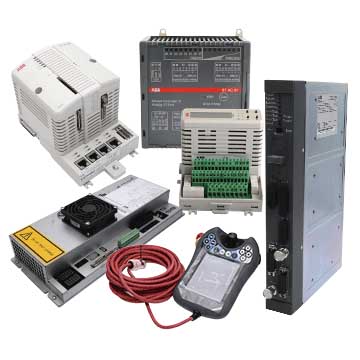
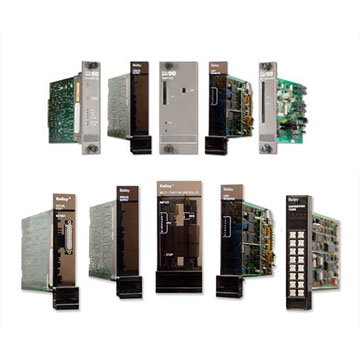
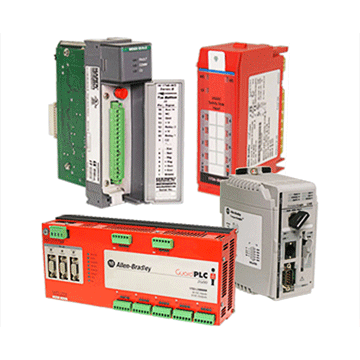
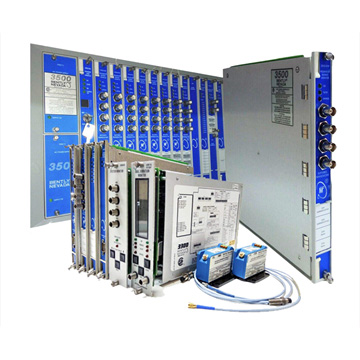
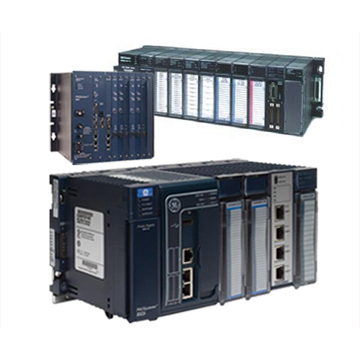
The DPU MR is a high-performance Controller/Data Processing Unit used for real-time automation, data acquisition, and control, including specialized I/O modules like the 4E, 4F, and ACN MR.
- DPU-MR Digital processing unit
- The METSO DPU-MR Digital Processing Unit processes real-time sensor data for machinery monitoring and control systems.
- It supports fast and accurate digital signal handling to ensure reliable operation of industrial equipment.
This digital processing unit is engineered for demanding industrial applications such as power generation, pulp and paper production, oil and gas processing, and other continuous process industries. With its robust hardware architecture and fast signal processing capability, the DPU-MR enables accurate monitoring and rapid response to process changes, helping maintain optimal system reliability and operational safety.
Important Notice:
Other accessories, manuals, cables, calibration data, software, etc. are not included with this equipment unless listed in the above stock item description.
METSO DPU-MR Digital processing unit Manuals, Datasheets, Drivers, Link
Important Notice: Other accessories, manuals, cables, calibration data, software, etc. are not included with this equipment unless listed in the above stock item description.
Process control: executing control algorithms, sequential logic, and data acquisition tasks. SOE recording: Built in Sequence of Events recording function, supporting up to 1 ms timestamp resolution for precise fault diagnosis. Communication hub: Real time data exchange with other controllers, I/O modules, or third-party PLCs through MaxNet (dual redundant Ethernet). Distributed architecture: supports point-to-point communication, allowing for distributed control functions across different cabinets or locations without a centralized server.
Environmental adaptability: with IP67 protection level, dust and water resistance; The working temperature range is wide (usually -40 ° C to+85 ° C).
Communication protocol: Supports multiple industry standard protocols such as Modbus, Profibus, and CANopen, making it easy to integrate into existing systems.
High reliability: Adopting redundant design and advanced diagnostic functions to ensure reduced downtime during critical tasks.


 Videos
 News
News Applications