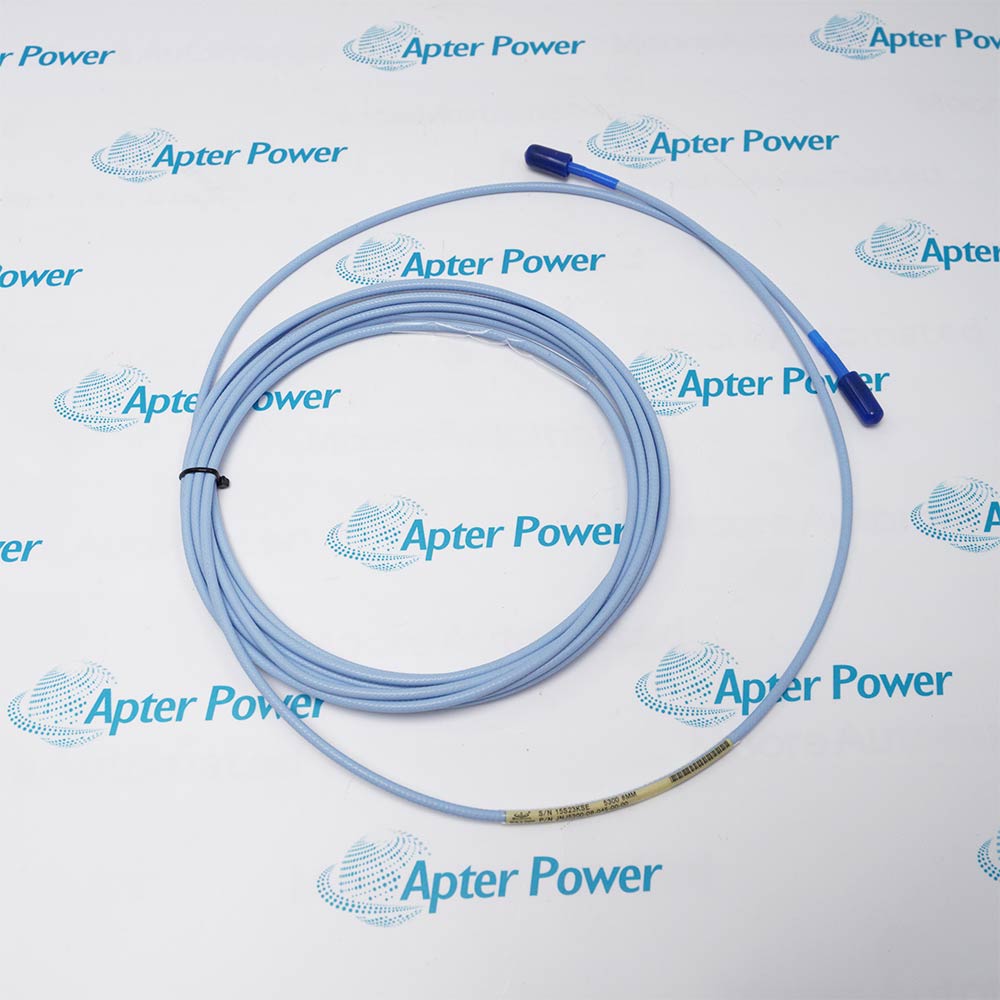
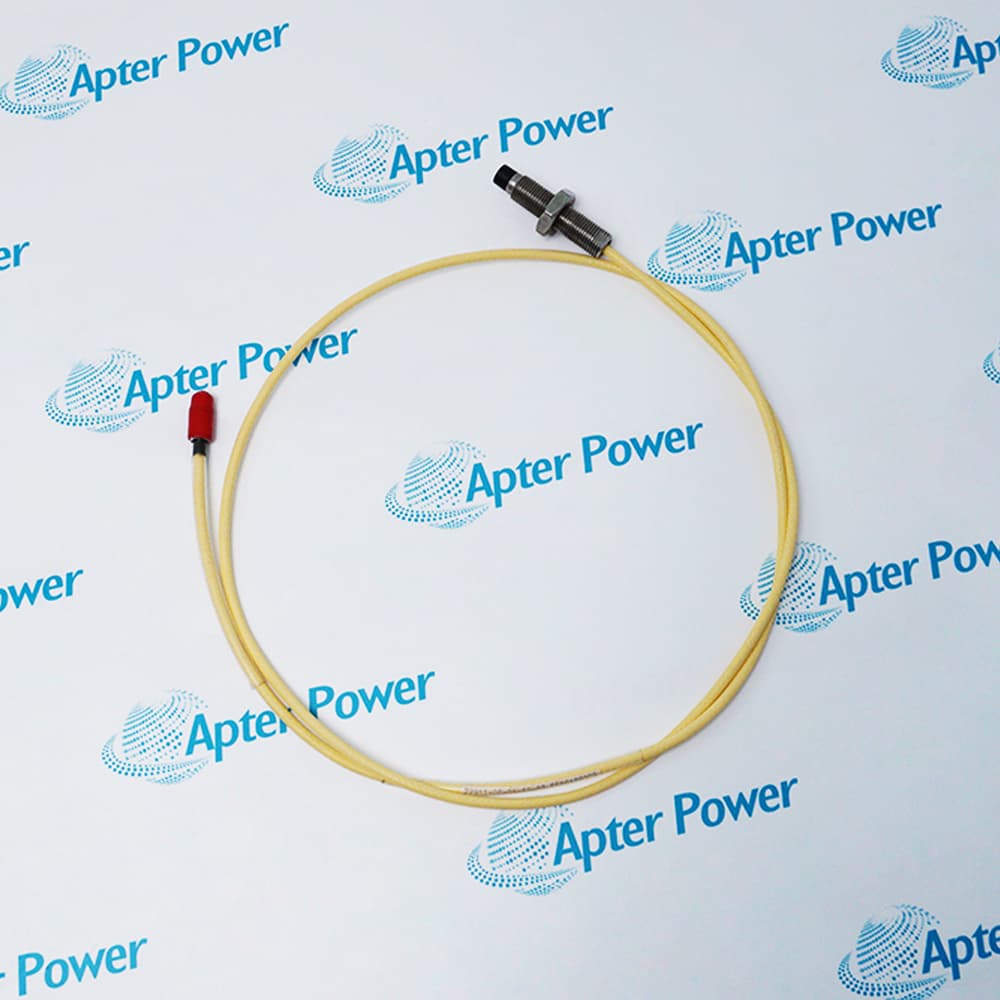
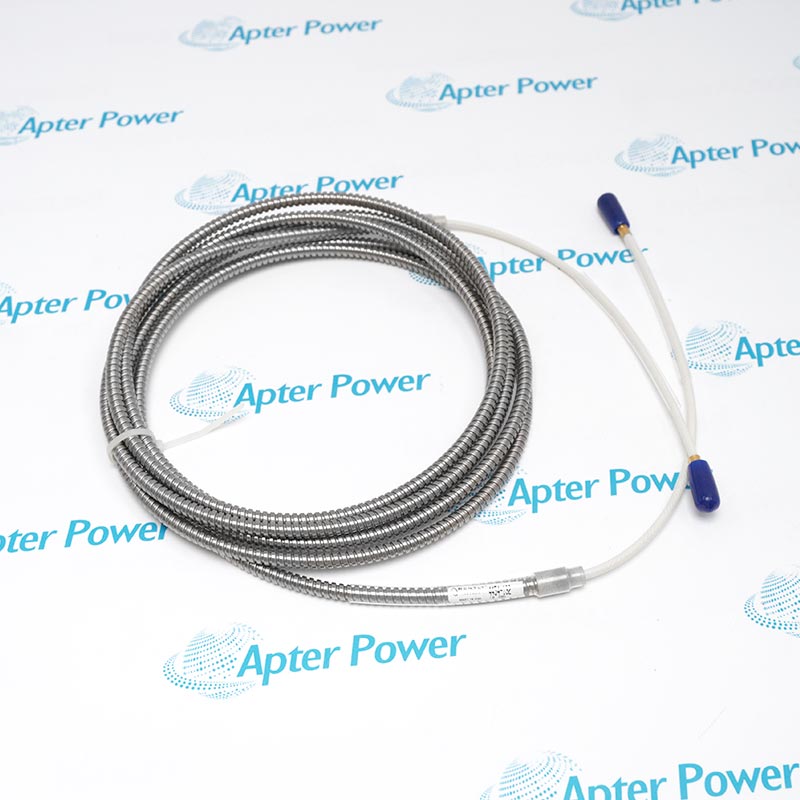
The 9200-06-02-10-00 is a Seismoprobe two-wire velocity sensor manufactured by Bentley Nevada Corporation of the United States. It is mainly used for measuring the absolute vibration velocity of bearing housings, casings, or structures in rotating machinery (such as steam turbines, compressors, and fans).
Rugged Construction
Wide Operating Temperature Range
Ease of Installation and Maintenance
Bently Nevada Seismoprobe Velocity Transducer Systems are designed to measure absolute (relative to free space) bearing housing, casing, or structural vibration. The two-wire systems consist of a transducer and appropriate cable. The Seismoprobe family of velocity transducers is a two-wire design that uses moving-coil technology. It provides a voltage output directly proportional to the transducer's vibration velocity. Moving-coil transducers are less sensitive to impact or impulsive excitation than solid-state velocity transducers, which are inherently accelerometers with embedded integration electronics. Moving-coil transducers are less sensitive to impact or impulsive excitation and can represent a good choice for certain applications. Because they don’t require external power, they are convenient for portable measurement applications.
Important Notice: Other accessories, manuals, cables, calibration data, software, etc. are not included with this equipment unless listed in the above stock item description.
Bently Nevada 9200-06-02-10-00 Two-wire Transducer Manuals, Datasheets, Drivers, Link
Important Notice: Other accessories, manuals, cables, calibration data, software, etc. are not included with this equipment unless listed in the above stock item description.
Power Generation
Monitoring bearing housing vibrations in steam turbines to prevent structural damage from unbalance.
Oil & Gas
Casing monitoring for centrifugal compressors to ensure continuous oil and gas transportation.
Steel & Metal
Installed on heavy-duty gearboxes of rolling mills to monitor gear wear and alignment.
Cement Industry
Monitoring support rollers and motors of rotary kilns in high-temperature and dusty environments.
Rail Transport
Vibration testing for locomotive or vehicle control systems to analyze chassis structural integrity.
Diagnostics & Testing
Paired with portable instruments for on-site equipment fault diagnosis and vibration analysis.
Strict adherence to the specified mounting orientation (vertical or horizontal) and ensuring a firm, flush contact between the base and the target surface are critical for signal accuracy. Wiring should be routed away from high-voltage power lines to prevent electromagnetic interference, with connectors properly sealed against moisture. Avoid operating the sensor beyond its rated temperature limits or in environments with excessive mechanical shock to prevent sensitivity drift or damage to internal sensing elements.