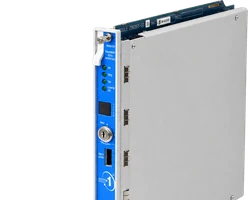
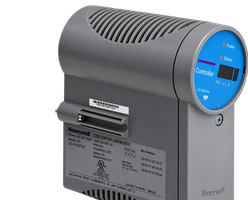
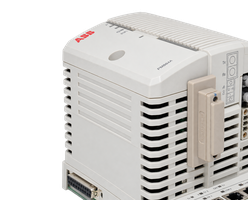
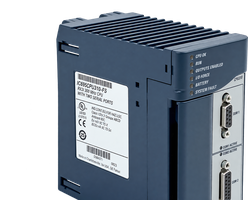
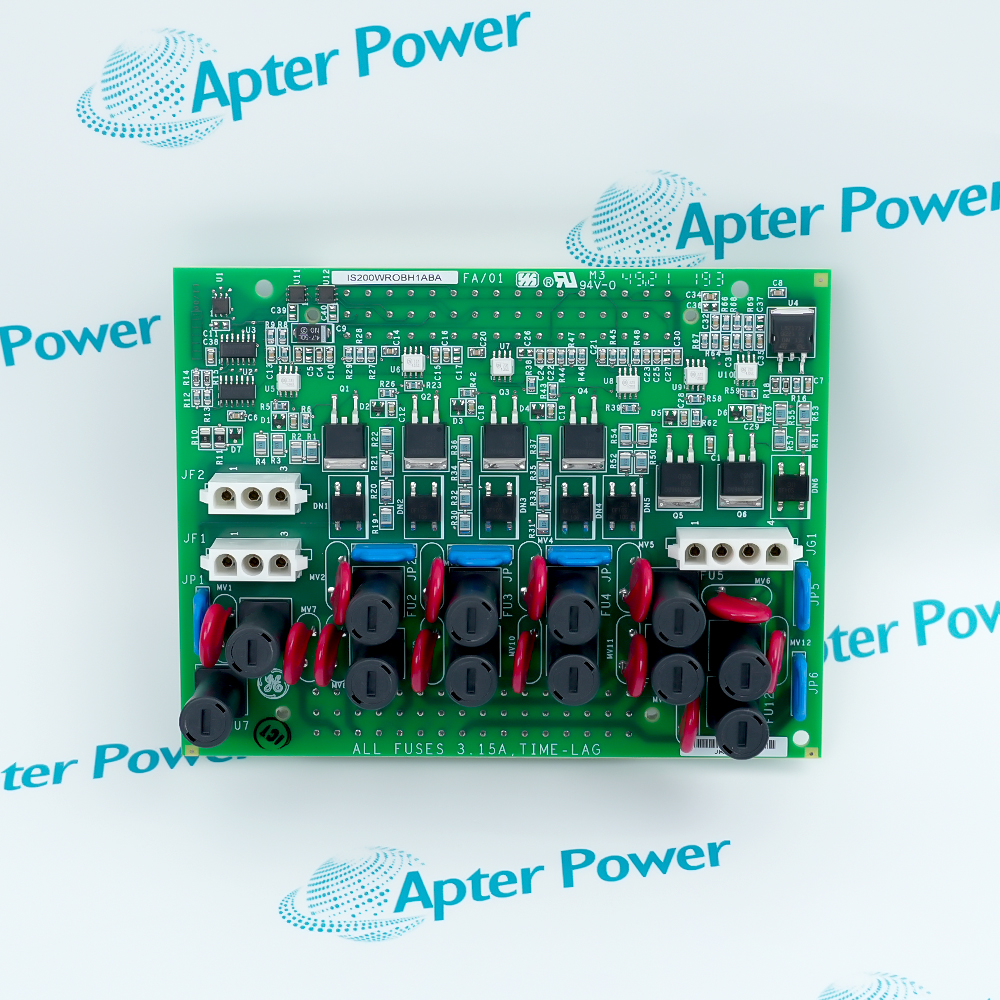
A wind energy main cabinet board is a crucial component of a wind turbine system. It serves as the central control unit, managing various functions and operations of the turbine.
What are the key components of a wind energy main cabinet board?
The main cabinet board typically houses components such as controllers, inverters, sensors, communication modules, and safety mechanisms. These components work together to regulate power generation, monitor performance, and ensure safety.
What role does the main cabinet board play in wind turbine operation?
The main cabinet board is responsible for controlling the pitch of the turbine blades, managing power conversion between the turbine and the grid, monitoring environmental conditions, detecting faults, and implementing safety protocols.
Manufacturers
Supporting new and legacy automation
Whether you're maintaining existing equipment or sourcing parts for current systems, we provide fast, dependable supply you can rely on.
Please try to be as accurate as possible with your search.
We can quote you on 1000s of specialist parts, even if they are not listed on our website.