A reliable industrial automation parts supplier should pass three gates before receiving a purchase order: the seller and payment beneficiary are verifiable, the complete part number and configuration match the installed system, and the quoted unit's availability, condition, inspection scope, dispatch terms, and warranty are documented in writing.
A large catalogue or a fast verbal promise is not evidence. For an urgent PLC, DCS, HMI, drive, controller, communication module, machinery monitoring component, or turbine control spare, buyers should qualify both the supplier and the exact unit being offered. This guide provides a practical process for doing that without confusing a product listing with confirmed stock or a general product-family match with engineering compatibility.
5 Procurement Risks That Require Evidence
The industrial automation aftermarket solves genuine availability problems, but it also introduces technical and commercial variables that must be controlled before payment.
1. Product Lifecycle Gaps
Plants often operate control platforms for longer than the commercial life of individual components. A controller, I/O module, power supply, HMI, or vibration monitoring card may become difficult to obtain even though the wider system remains productive.
Lifecycle terms also have specific meanings. For example, Rockwell Automation distinguishes active, active mature, end-of-life, and discontinued products in its product lifecycle definitions. A discontinued item is no longer manufactured or procured as a new product, although limited regional stock or repair options may remain.
Buyers should verify lifecycle status against the original manufacturer's current documentation rather than relying on an aftermarket label alone.
2. Part-Number and Configuration Complexity
The base model rarely tells the whole story. Suffixes and revisions may identify voltage, input type, channel count, connector, communication protocol, cable length, firmware, conformal coating, hazardous-area approval, or regional version.
For a replacement, compare the complete ordering code with the installed nameplate and the manufacturer's manual. The review may also require the rack or chassis model, slot position, companion I/O assembly, terminal unit, software version, firmware revision, and included accessories. A similar appearance is not proof of interchangeability.
3. Ambiguous Condition and Traceability
Terms such as new, surplus, refurbished, reconditioned, and used describe different supply histories. Packaging condition, storage history, date code, serial number, previous repair, cosmetic wear, and included accessories can affect acceptance even when the part number is correct.
The quotation should define the offered condition in plain language. If traceability is required by the plant's quality system, specify the documents needed before ordering. A supplier should not imply original manufacturer traceability, warranty, or authorized-channel status unless it can provide supporting records.
4. Unverified Stock and Dispatch Dates
A catalogue entry confirms that a seller recognizes a model; it does not confirm that the exact unit is physically available or reserved for the buyer. Stock may be held by another party, allocated to a different order, awaiting inspection, or still being sourced.
For shutdown-critical orders, request dated photographs or video showing the complete label, quantity, packaging, and a reference tied to the enquiry. Then separate the stock confirmation from the dispatch commitment. An available unit may still require inspection, export documentation, packing, payment clearance, and carrier collection before it can leave the warehouse.
5. Cross-Border Commercial and Compliance Exposure
International orders can involve bank-transfer fraud, duties, taxes, insurance, export controls, sanctions screening, end-use restrictions, and expensive warranty returns. These issues should be resolved in the quotation and purchase contract, not after shipment.
The named Incoterms rule and place should be explicit because the term allocates delivery tasks, costs, and risks between seller and buyer. The International Chamber of Commerce overview explains the function of the eleven Incoterms 2020 rules. Each party remains responsible for checking the laws, import requirements, and trade restrictions that apply to its transaction.
What Each Stakeholder Should Approve
The table assigns a distinct approval question to each role. It prevents a commercially acceptable quote from bypassing engineering, reliability, or operational controls.
| Stakeholder |
Decision Owned |
Minimum Evidence Before Approval |
| Plant operator |
Can the asset return to service within the required window? |
Required-on-site date, planned installation window, operating consequence if the replacement fails |
| Procurement or MRO buyer |
Is the transaction commercially controlled? |
Legal seller, verified bank beneficiary, currency, Incoterm and named place, payment and cancellation terms |
| Maintenance engineer |
Will the supplied unit fit and connect correctly? |
Complete ordering code, revision, connector and terminal details, rack or chassis data, included accessories |
| Reliability engineer |
Is the lifecycle and condition risk acceptable? |
Product condition, inspection scope, repair history when applicable, storage information, warranty remedy |
| Controls or system engineer |
Will the unit operate in the existing architecture? |
Firmware and software requirements, I/O type, communication protocol, configuration and licensing dependencies |
| Quality or compliance reviewer |
Does the order meet plant and regulatory controls? |
Required certificates, traceability records, hazardous-area or safety approvals, export and end-use documentation |
Safety-instrumented, machinery-protection, burner-management, turbine-control, and hazardous-area applications require qualified engineering review. Supplier confirmation does not replace the original manufacturer's instructions, the plant's management-of-change process, or applicable regulatory requirements.
10 Standards for Qualifying a Supplier
NIST defines supplier due diligence as researching relevant information about a supplier or product so an organization can make an informed acquisition decision. Although the NIST due diligence guide is scoped to ICT supply chains, its evidence-based approach is also useful when screening automation suppliers.
1. Verify the Legal Seller and Payment Route
Confirm the registered company name, registration number, business address, tax or company identifier where applicable, quotation issuer, invoice issuer, and bank beneficiary. If different entities participate in the sale, obtain a written explanation of their relationship.
Independently confirm new or changed bank instructions through a previously verified telephone number or official email channel. Do not use the contact details contained only in the message that announced the change.
2. Lock the Complete Technical Identity
Record the manufacturer, full part number, every suffix, hardware revision, firmware requirement, and required approvals. For assemblies, identify whether the offer covers a complete unit or only a submodule.
The technical approver should classify the result as an exact match, a documented manufacturer-approved replacement, or an unverified alternative. An exact match can follow the site's normal maintenance controls. A documented replacement should follow the site's change-management requirements, and an unverified alternative should not proceed without a formal engineering deviation.
3. Confirm Lifecycle and Substitution Status
Check the original manufacturer's current lifecycle notice and migration documentation. If the offered item is a substitute, require a source that identifies the replacement relationship and any changes to wiring, software, dimensions, certification, or configuration.
A supplier-generated compatibility statement can support the review, but it should not be the sole authority for a safety-related or production-critical substitution.
4. Obtain Unit-Specific Inventory Evidence
For urgent or high-value orders, request current visual evidence tied to the quotation. It should show the full label, serial number when appropriate, quantity, packaging, and enough context to distinguish physical stock from a catalogue image.
Ask whether the unit is owned by the seller, held at a partner location, or still subject to sourcing. Require a written dispatch estimate that begins only after agreed prerequisites, such as cleared payment and inspection, are satisfied.
5. Define Condition and Provenance
The quotation should state whether the unit is factory new, new surplus, opened surplus, refurbished, reconditioned, service exchange, or used. It should also disclose packaging condition, known repair history, date code when relevant, and missing manuals, connectors, batteries, cables, keys, licenses, or mounting hardware.
If provenance is a purchase requirement, define what will be accepted: original manufacturer documentation, authorized-channel invoice history, serial-number records, certificate of conformance, or another traceability document. Do not assume every aftermarket unit can provide the same evidence.
6. Match the Inspection Scope to the Component
The word tested is incomplete unless the method and limitations are stated. A useful inspection record identifies the unit, date, checks performed, equipment or fixture used, result, inspector, and unresolved limitations.
Possible checks include visual inspection, label verification, continuity testing, power-on testing, communication testing, I/O simulation, and operation in a compatible rack. Not every part can be fully function-tested outside the original machine. For such parts, the supplier should distinguish completed checks from functions that were not verified.
7. Require a Complete Commercial Offer
The quotation should identify the seller, manufacturer, full part number, quantity, condition, unit price, currency, quote validity, estimated dispatch, shipping charge, Incoterm and named place, warranty, payment instructions, and exclusions.
Resolve conflicting terms before issuing the purchase order. The quotation, pro forma invoice, purchase order, order confirmation, and final invoice should describe the same item and commercial basis.
8. Plan Shipping, Import, and Delivery Control
Confirm the ship-from location, packed dimensions and weight, carrier, service level, insurance, tracking, customs description, country of origin when required, and responsibility for duties and taxes. Wood packaging, batteries, or other regulated contents may need additional documentation depending on the route.
Do not treat dispatch date and delivery date as synonyms. The delivery estimate should account for carrier transit, customs clearance, local holidays, and the receiving site's operating hours.
9. Make Warranty and RMA Terms Actionable
A usable warranty states the duration, start date, covered failure, exclusions, claim evidence, return material authorization process, inspection period, remedy, and responsibility for freight, duties, and expedited replacement.
Confirm whether the warranty is provided by the independent supplier or the original manufacturer. Also ask whether repair, equivalent replacement, credit, or refund is the default remedy and whether advance replacement is available.
10. Evaluate Technical and After-Sales Capability
Assess the supplier's behavior during qualification, not just its response speed. A competent team records open questions, escalates technical uncertainty, distinguishes confirmed facts from assumptions, and maintains consistent answers across sales, engineering, logistics, and finance.
References and reviews can support this assessment, but transaction evidence is stronger. A small trial order, third-party inspection, or protected payment arrangement may be appropriate when the supplier is new to the approved vendor list.
12 High-Risk Warning Signs
One warning sign may have an innocent explanation. Multiple signs, or any sign affecting payment identity, part identity, certification, or safety, should stop the order until resolved.
- The supplier refuses to identify the legal contracting entity.
- The bank beneficiary does not match the seller, and no documented relationship is provided.
- Payment instructions change shortly before transfer without independent verification.
- The seller claims that every listed item is physically in stock.
- Current, enquiry-specific product photos or video are refused for a high-value order.
- The quotation shortens the part number or omits a required suffix or revision.
- A substitute is presented as fully interchangeable without manufacturer documentation or engineering review.
- The condition is described only as new, original, or tested, with no operational definition.
- A test certificate contains no serial number, date, method, result, or identifiable test equipment.
- Authorized status, certification, or traceability is claimed but cannot be documented.
- Warranty language appears in marketing material but is absent from the quotation or order confirmation.
- Company name, address, contact details, ship-from location, or payment information conflict across documents.
A Practical 100-Point Supplier Scorecard
Score each area 0, 5, or 10 using the evidence available for the specific order. Do not award partial points for promises that cannot be documented.
| Assessment Area |
0 Points |
5 Points |
10 Points |
| Legal and payment identity |
Seller or beneficiary cannot be verified |
Basic registration is available, but one relationship remains unclear |
Seller, invoice entity, address, and beneficiary are independently verified |
| Part identification |
Base model or incomplete code only |
Full code supplied, but revision or system context is unresolved |
Full code, suffix, revision, system context, and accessories are approved |
| Lifecycle and substitution |
Status or replacement basis is unknown |
Lifecycle status is known, but migration impact is incomplete |
Current manufacturer status and any replacement relationship are documented |
| Inventory evidence |
Catalogue listing or verbal claim only |
Written stock statement without unit-specific visual evidence |
Current labelled-unit evidence, quantity, location, and allocation are confirmed |
| Condition and provenance |
Condition is omitted or ambiguous |
Condition is defined, but history or packaging detail is incomplete |
Condition, packaging, history, inclusions, and required traceability are documented |
| Inspection and testing |
Generic tested claim |
Inspection steps are listed without complete results or limitations |
Unit-specific scope, method, result, date, and limitations are recorded |
| Commercial documents |
Informal message or conflicting documents |
Formal quote exists, but a material term is missing |
Quote and order documents align on item, price, timing, warranty, and payment |
| Logistics and compliance |
Ship-from, customs, or responsibilities are unclear |
Carrier and shipping cost are stated |
Route, Incoterm, named place, origin, tracking, insurance, and import roles are clear |
| Warranty and returns |
No written remedy or RMA route |
Duration is stated, but remedy or freight responsibility is unclear |
Coverage, exclusions, RMA, remedy, deadlines, and cost allocation are complete |
| Service capability |
Answers are inconsistent or unsupported |
Commercial response is adequate, but technical escalation is limited |
Sales, technical, logistics, and after-sales responses are coordinated and documented |
Score Interpretation and Override Rules
- 90-100: Preferred candidate for the assessed order, subject to normal plant controls.
- 75-85: Conditional approval. Close the documented gaps before payment.
- 60-70: Use additional controls such as a trial order, inspection, payment protection, or tighter contract terms.
- Below 60: Do not approve for a critical or high-value order without a formal risk exception.
The score cannot override a failed critical gate. Stop the order if the bank beneficiary is unverified, the exact part identity is unresolved, a required safety or hazardous-area approval is missing, or trade compliance prohibits the transaction.
12 Questions to Ask Before Issuing a Purchase Order
Send these questions with the enquiry and retain the written answers in the procurement record.
- What is the complete manufacturer ordering code, including every suffix and revision?
- Is the offer an exact match, a manufacturer-documented replacement, or an alternative requiring engineering approval?
- Is the quoted quantity physically available, where is it held, and is it allocated to this quotation?
- Can you provide current label, serial-number, packaging, and quantity evidence tied to this enquiry?
- What is the precise condition, packaging state, repair history, and date code where relevant?
- Which manuals, connectors, terminal units, cables, keys, batteries, licenses, and mounting parts are included or excluded?
- Which inspection and test steps will be completed, and which functions cannot be verified before dispatch?
- What event starts the dispatch lead time, and what is the confirmed estimated dispatch date?
- What are the ship-from location, carrier option, Incoterm and named place, insurance, and customs responsibilities?
- What warranty applies, when does it start, and what repair, replacement, credit, or refund remedy is available?
- What is the RMA process, and who pays return freight, duties, and replacement shipping?
- Which legal entity will invoice us, and does its name match the bank beneficiary?
For an urgent replacement, also send clear photographs of the installed nameplate, front panel, connectors, and surrounding rack. Include the system model, application, observed fault, destination country, required-on-site date, and any firmware, certification, or licensing constraint.
How Apter Power Handles an Enquiry
Apter Power supports global B2B customers sourcing current, obsolete, and hard-to-find industrial automation parts. With more than 20 years in the sector, we focus on reducing the time buyers spend contacting multiple suppliers while keeping order-specific facts clear.
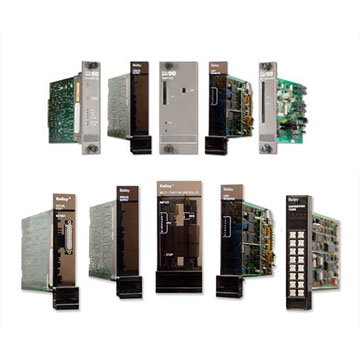
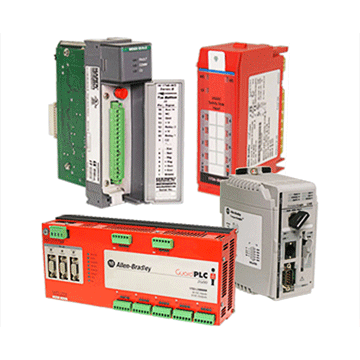
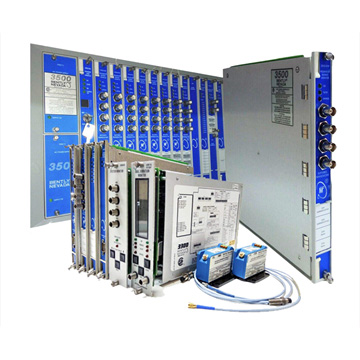
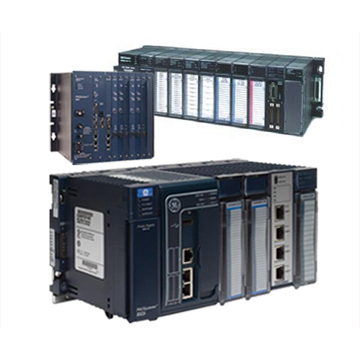
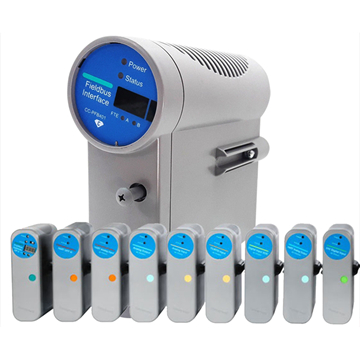
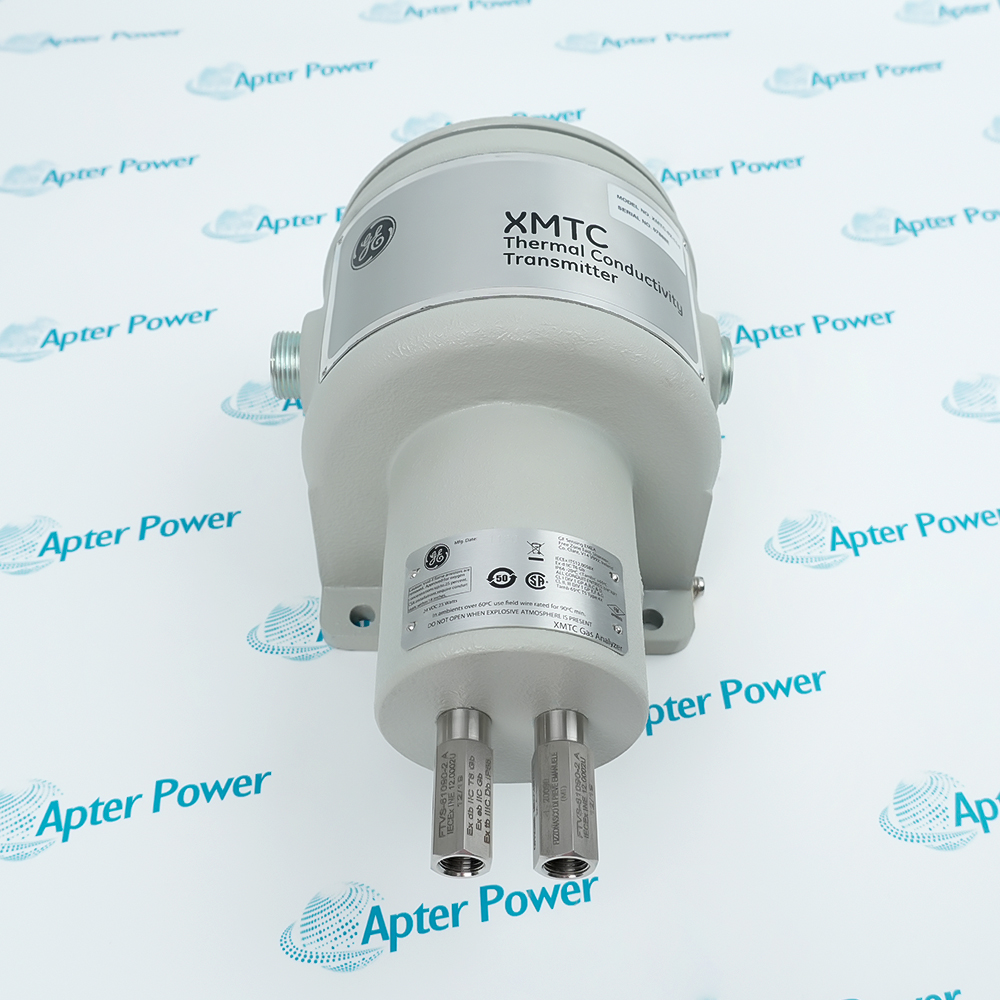
Our coverage includes PLC and DCS systems, HMI and panel equipment, drives, controllers, power supplies, interface and communication boards, robot-system components, machinery monitoring systems, and gas turbine control parts. Frequently requested manufacturers include Bently Nevada, Allen-Bradley, ABB, HIMA, Schneider Electric, Emerson, General Electric, ICS Triplex, Triconex, Invensys, Honeywell, Yokogawa, Foxboro, Woodward, ProSoft, and Siemens.
Buyers can review our:
For each enquiry, we ask for the manufacturer, complete part number, quantity, destination, required condition, required-on-site date, and relevant technical constraints. Our team then checks available stock or sourcing options and prepares an order-specific quotation.
Catalogue content is a starting point only; the written quotation or order confirmation controls the supplied condition, quantity, inclusions, dispatch estimate, shipping terms, and warranty.
Customers can contact us by email, telephone, WhatsApp, or WeChat across time zones. We aim to respond quickly, but technical accuracy takes priority over an unsupported compatibility or delivery promise.
Apter Power is an independent industrial automation parts supplier. We are not an authorized distributor or representative of the manufacturers shown on our website unless a specific relationship is expressly confirmed in writing. Manufacturer names and trademarks belong to their respective owners.
FAQs About Qualifying an Automation Parts Supplier
Q1. Can a Current Module Replace a Discontinued Module?
Only when the original manufacturer documents the replacement relationship or a qualified engineer approves the change. A migration can require new wiring, terminal assemblies, rack hardware, firmware, software, licenses, configuration, or safety validation. Treat a suggested successor as an engineering change, not as an automatic like-for-like replacement.
Q2. What If the Installed Label Is Damaged or Incomplete?
Collect the available characters, front-panel and connector photographs, rack position, system model, adjacent module numbers, drawings, bills of materials, maintenance records, and software configuration. These clues can narrow the candidate, but the final identity must be resolved before ordering. Do not guess a suffix from appearance alone.
Q3. When Is a Third-Party Inspection Worth the Cost?
Consider it for a first transaction, a high-value order, a safety-related component, a large mixed lot, or a unit with limited traceability. Define the inspection scope in advance. A visual count does not establish functionality, and a generic laboratory certificate does not prove that the quoted serial number was tested.
Q4. Are Firmware and Software Licenses Automatically Included?
No. Hardware may contain installed firmware, but update rights, downloads, activation keys, configuration files, and transferable software licenses are separate issues. Confirm the required revision and lawful access before purchase. The original manufacturer's license terms and support rules remain controlling.
Q5. Does an Independent Supplier Provide the Original Manufacturer's Warranty?
Not automatically. The applicable protection is normally the independent supplier's written warranty unless valid original manufacturer coverage is expressly documented for the offered unit. Confirm the warranty provider, duration, remedy, exclusions, and return process in the quotation before payment.
Q6. How Often Should a Supplier Be Requalified?
Use a risk-based schedule rather than treating approval as permanent. Recheck legal registration, ownership, address, bank details, insurance, certifications, and quality records at defined intervals and whenever a material change occurs. Stock evidence, condition, test scope, export eligibility, and delivery terms must still be verified for every order.
Q7. Is the Lowest Quotation Usually the Best Choice?
No. Compare quotations on the same commercial and technical basis, including exact part number, revision, condition, accessories, inspection scope, dispatch timing, freight, duties, warranty, and return costs. A lower unit price may produce a higher total cost if it excludes necessary hardware, testing, or workable warranty support.
Q8. Should a Supplier Disclose the Serial Number Before Payment?
For a specific stocked unit, a serial number can strengthen traceability and connect photographs, inspection records, and shipping documents to the quotation. Some suppliers may mask part of it in general images for security reasons. Agree when the complete number will be disclosed and record it on controlled transaction documents.
Q9. What Should Be Checked When the Shipment Arrives?
Quarantine the package until receiving inspection is complete. Compare the seller, purchase order, packing list, manufacturer, complete part number, revision, serial number, quantity, condition, accessories, and seals. Photograph external damage before unpacking, retain the packaging, and report discrepancies within the contractual notification period.
Q10. Can a Purchase Order Prevent Compatibility Disputes?
Only if it contains measurable acceptance criteria. Reference the approved quotation and state the complete ordering code, revision, condition, included items, required documentation, inspection scope, delivery term, and warranty. Attach the approved technical clarification when the configuration cannot be described accurately in a short purchase-order line.
Q11. How Should an Unused Automation Spare Be Stored?
Follow the original manufacturer's storage limits for temperature, humidity, electrostatic discharge protection, packaging, orientation, and maintenance. Batteries, electrolytic capacitors, displays, seals, and backup memory may have additional requirements. Record receipt and inspection dates, preserve labels, and schedule periodic condition reviews for long-term strategic spares.
Q12. Which Records Should Be Retained After Installation?
Keep the quotation, purchase order, invoice, packing list, serial-number photographs, inspection or test report, shipping record, receiving inspection, installation date, configuration backup, failure report, and warranty correspondence. Linking these records to the asset history improves future troubleshooting, warranty claims, and replenishment decisions.
Quote for Industrial Automation Parts
Send the manufacturer, complete part number, quantity, delivery country and postal code, required condition, required-on-site date, and clear nameplate photographs. We will review the requirement and confirm the known technical and commercial details in an order-specific quotation.
Email: sales13@apterpower.com
Telephone and WhatsApp: +86 180 3023 5313
Enquiry form: Request a parts quote


 Videos
 News
News Applications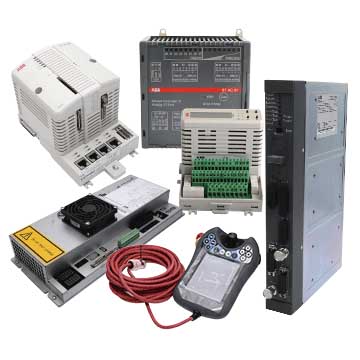







Leave Your Comment