-
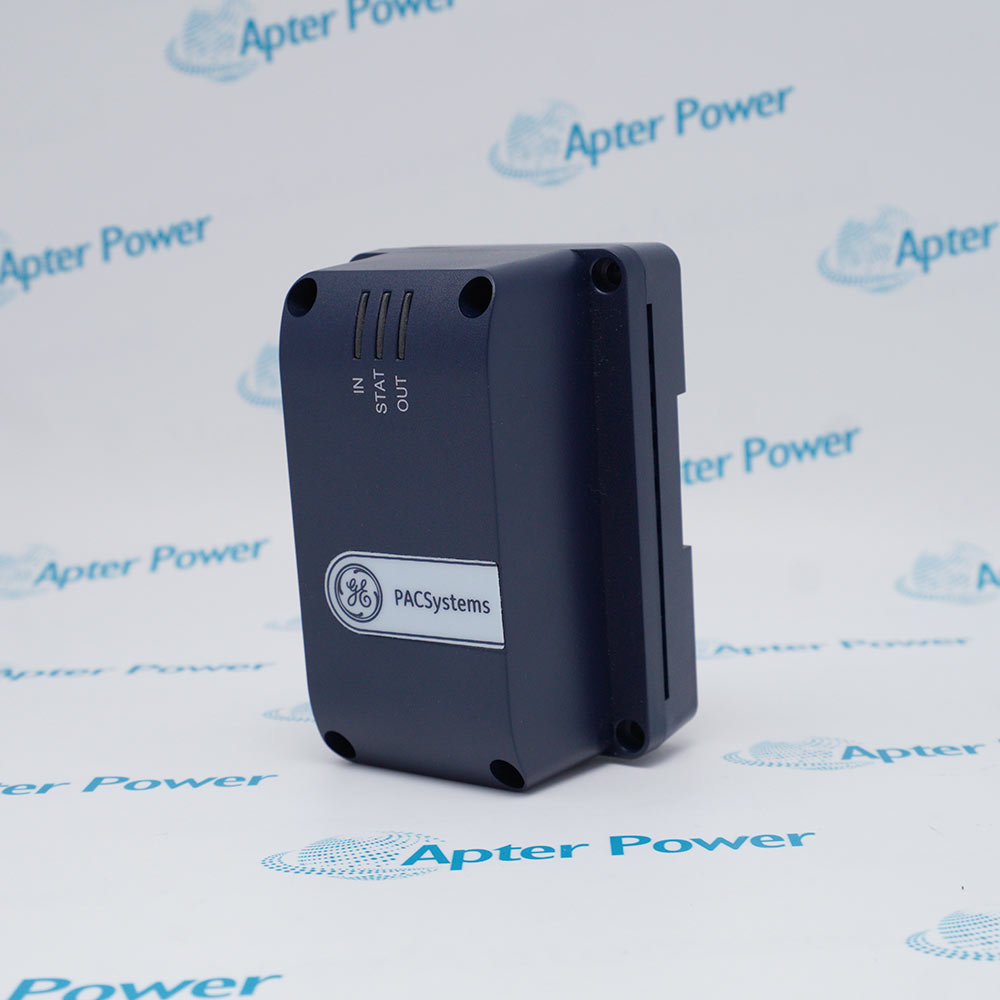
Match the complete marking
Match IS200TBTCH1CBB, revision and visible labels.
-
Check the offered item before ordering
Confirm GE Mark VI / Mark VIe turbine control, companion hardware and wiring.
Technical specifications for IS200TBTCH1CBB
-
Manufacturer:General Electric
-
Spare Part Number:IS200TBTCH1CBB
-
Weight:0.5 kg
-
Tariff Code:8537101190
-
Signal type:Thermocouple millivolt inputs
-
Terminal-board family:TBTCH1C
-
Supported architecture:Mark VI and Mark VIe
-
Redundancy support:Simplex or TMR according to connector population
-
Cold-junction function:Terminal-board temperature compensation
-
Field terminals:Barrier-type thermocouple connections
-
Cable connectors:JR, JS and JT architecture
-
Noise protection:Input suppression on field paths
-
Status indicators:RUN, FAIL and STATUS LEDs
-
Board interface:VME backplane
Information
- IS200TBTCH1CBB marshals thermocouple millivolt signals and cold-junction context from field terminals to the configured Mark VI or Mark VIe input processors.
Redundancy-aware cabling: JR, JS and JT population defines simplex or TMR signal fanout.
Board-ID diagnostics: The processor checks terminal-board identity and connector location against the configuration.
Thermocouple type, polarity, extension wire, cold-junction compensation and grounding determine measurement integrity. Connector population must agree with the configured simplex or TMR architecture.
Before exchange, record every thermocouple type and terminal, cold-junction reading, connector location and channel baseline. Commission with polarity and temperature checks across the actual input range.
IS200TBTCH1CBB Technical Data Reference
GE Mark VI Turbine Control System Guide and Mark VIe certification schedule; selected exact-model and documented family data for IS200TBTCH1CBB.IS200TBTCH1CBB Installation & Verification Guide
Model-specific installation, wiring, inspection and commissioning checks for IS200TBTCH1CBB.
Application scope: Architecture boundary: Simplex or TMR fanout is established by connector population and processor configuration; board revision and cable location must match the installed design.
Turbine temperature measurement
Terminate approved thermocouples for control and protection.Exhaust-temperature monitoring
Preserve channel order and cold-junction compensation.Bearing and casing temperature
Route low-level millivolt signals with controlled shielding.Simplex or TMR I/O service
Restore JR, JS and JT connections for the installed architecture.
Do not mix extension-wire alloys.
Label positive and negative conductors.
Record board and cabinet temperature context.
Retain redundancy connector positions.
Follow the approved single-point grounding scheme.
Verify representative temperatures and diagnostics.
Alternative Names
Technical notes
Thermocouple identity: Record channel type, polarity, extension-wire material and terminal number before conductor removal.
Cold-junction integrity: Inspect the local reference-sensing arrangement and compare compensation behavior after reconnection.
Redundant path proof: Confirm JR, JS and JT destinations, board ID and representative channel agreement across the configured processors.

FAQ View All FAQ
-
Why must thermocouple alloy and polarity be checked for IS200TBTCH1CBB?Wrong extension wire or reversed polarity creates temperature error even when continuity appears normal.
-
How should cold-junction compensation be verified on IS200TBTCH1CBB?Compare the terminal-board temperature and simulated channel reading with a calibrated reference.
-
What do JR, JS and JT connections determine for IS200TBTCH1CBB?Their population and destination establish the simplex or TMR processor relationship.
-
Why is the final CBB suffix of IS200TBTCH1CBB retained without extra claims?It identifies the physical revision, but electrical differences are not published unless manufacturer documentation states them.
-
How should an open thermocouple be isolated on IS200TBTCH1CBB?Check the field sensor, extension cable, terminal, connector and channel diagnostics in sequence.
-
What grounding error can affect IS200TBTCH1CBB?Multiple shield bonds or unintended common connections can introduce noise into low-level millivolt inputs.
-
Which channels should be simulated after replacing IS200TBTCH1CBB?Test representative thermocouple types and connector groups, including alarm and trip-related channels.
-
Which cold-junction and thermocouple checks confirm IS200TBTCH1CBB?Retain correct type and polarity, stable cold-junction compensation, expected simulated temperatures and agreement across the configured processor paths.
Supporting new and legacy automation
-
Please try to be as accurate as possible with your search.
-
We can quote you on 1000s of specialist parts, even if they are not listed on our website.
-
We can't find any results for “”.
Related cases and sourcing guidance
View all case studiesYou May Also Like
Product Browsing History
-
Whatsapp: +86 18030235313
Send us a message. -
sales13@apterpower.com
Complete our online form. -
+86 18030235313
Speak to our team in your native language.