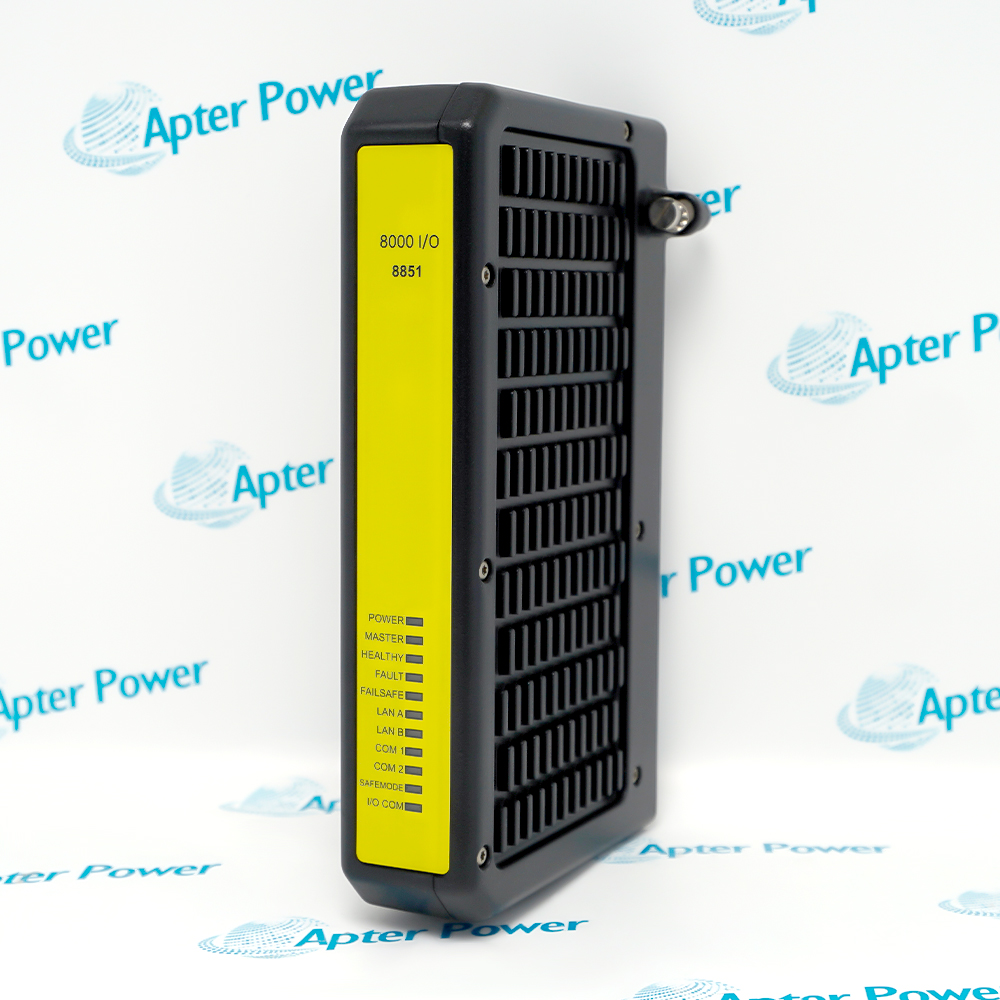
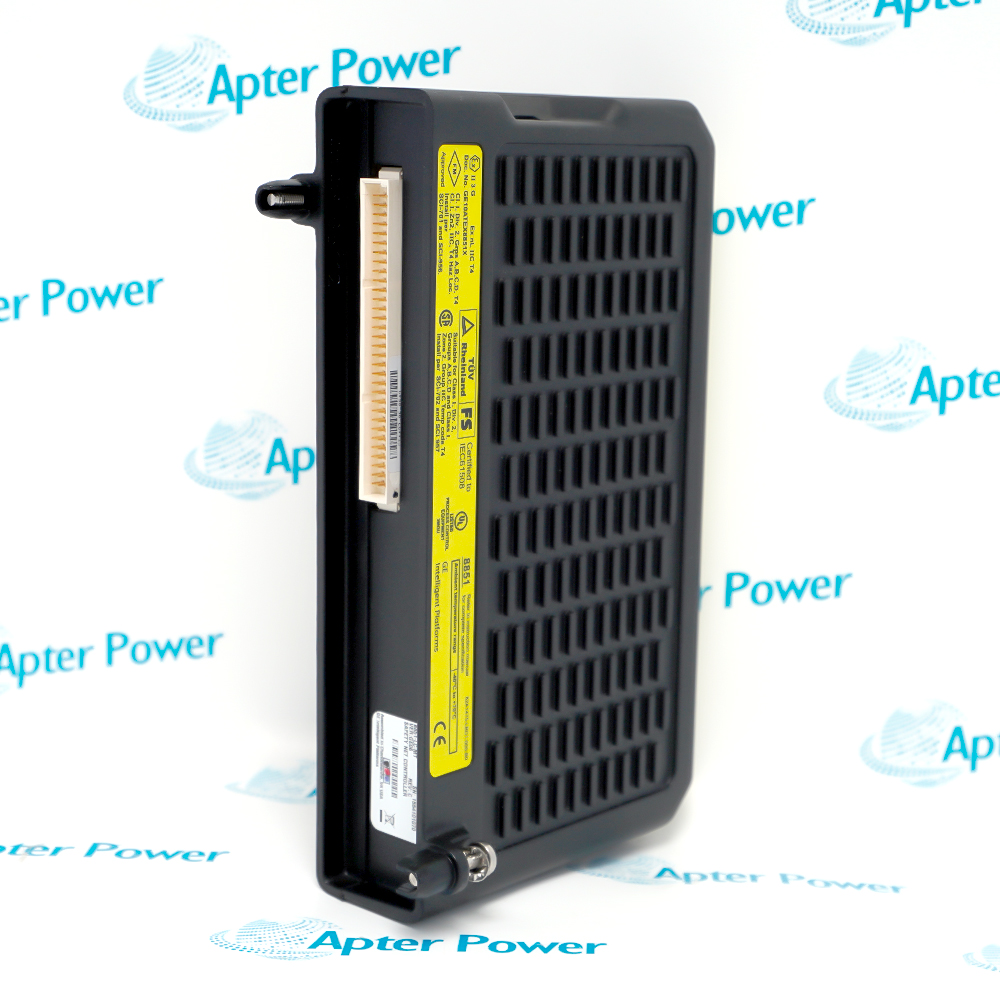
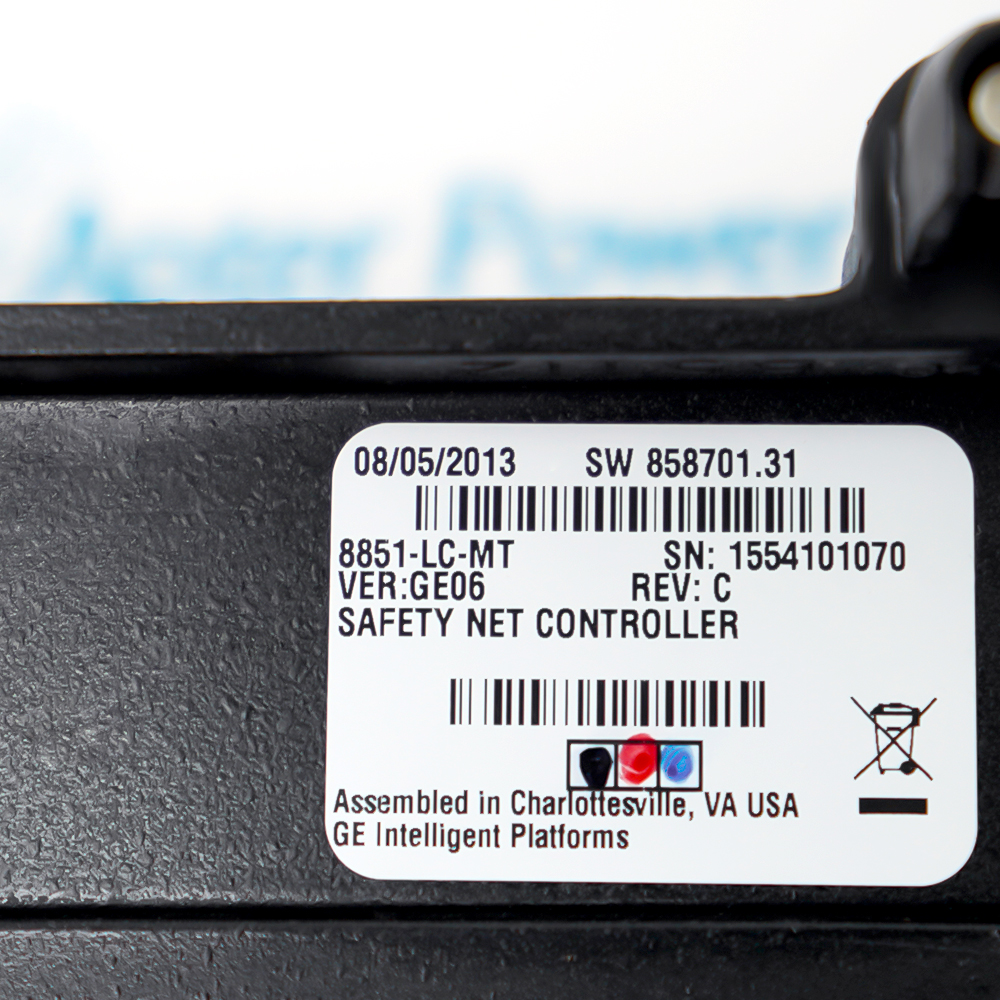
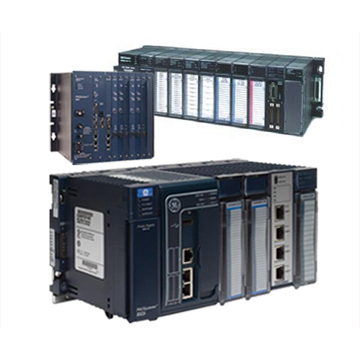
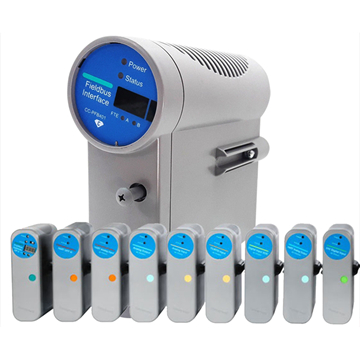
The GE Intelligent Platforms 8851-LC-MT is a PAC8000 SafetyNet controller for safety-related control applications. The manufacturer safety manual identifies it as sharing the PAC8000 controller hardware platform while using constrained operation and additional diagnostics to support the SafetyNet safety function.
- 8851-LC-MT
- PAC8000 SafetyNet Controller
- Certified for use up to SIL 2
- 1oo1D
The controller executes the approved safety application, exchanges safety I/O data with PAC8000 SafetyNet I/O modules and supervises faults. When it detects a dangerous fault, it initiates a controlled shutdown so the I/O modules enter their de-energized failsafe state and diagnostic information is retained for analysis.
Important Notice: Keep the complete 8851-LC-MT marking unchanged and verify the physical nameplate, revision, companion hardware, and current manufacturer documentation before installation or replacement.
Apter Power 8851-LC-MT Manuals and Guides
Important Notice: These are two separate Apter Power documents prepared from the manufacturer evidence named in each document. Confirm the physical nameplate, current manufacturer documentation, and applicable installation or system drawing before installation or replacement.
Control System Integration
SIL 2 safety-related control in process plants, including emergency-shutdown and fire-and-gas functions where the approved PAC8000 SafetyNet architecture is applied.
Signal and Data Handling
Safety application logic, controller communications and SafetyNet I/O data. Physical discrete or analog field signals are acquired or driven by the connected SafetyNet I/O modules, not directly by the controller.
Companion Hardware
PAC8000 SafetyNet I/O modules, 8750-CA-NS or 8751-CA-NS controller carrier, approved PAC8000 power and carrier hardware, SafetyNet Logic Workbench and the site safety application documentation.
Commissioning and Verification
Use 8851-LC-MT only after confirming its complete nameplate, revision, configuration, connections, and every affected system function.
Read and follow the named manufacturer source and applicable installation instructions before use. Verify the exact complete ordering code from the physical nameplate.
1
Treat configuration, application-program and firmware changes as safety-system changes under the site's functional-safety lifecycle.
2
Use only the documented controller carrier and compatible SafetyNet I/O modules for the approved system architecture.
3
After service, prove the failsafe response, diagnostics, I/O communication and every affected safety function before return to operation.
4
Observe the applicable wiring, grounding, approval, environmental and enclosure requirements.
5
Record the complete model, revision, configuration and commissioning results before returning the system to service.