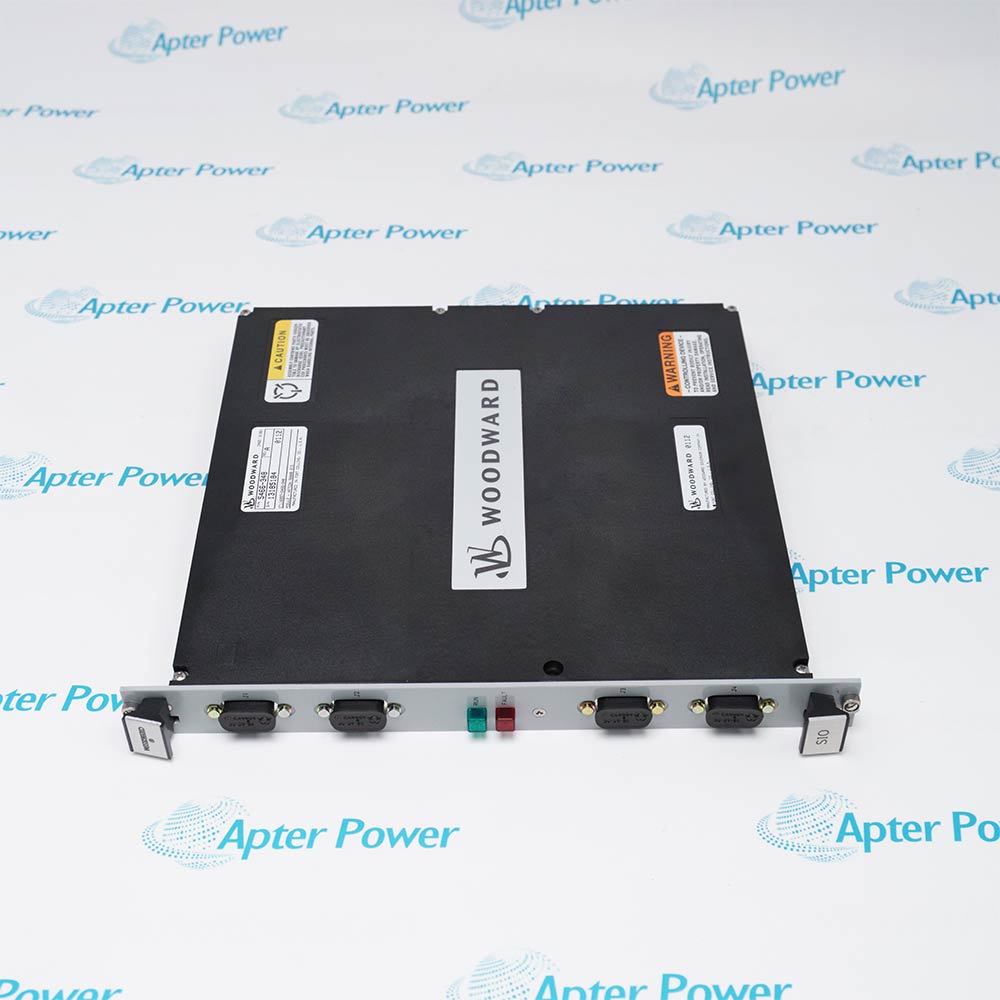
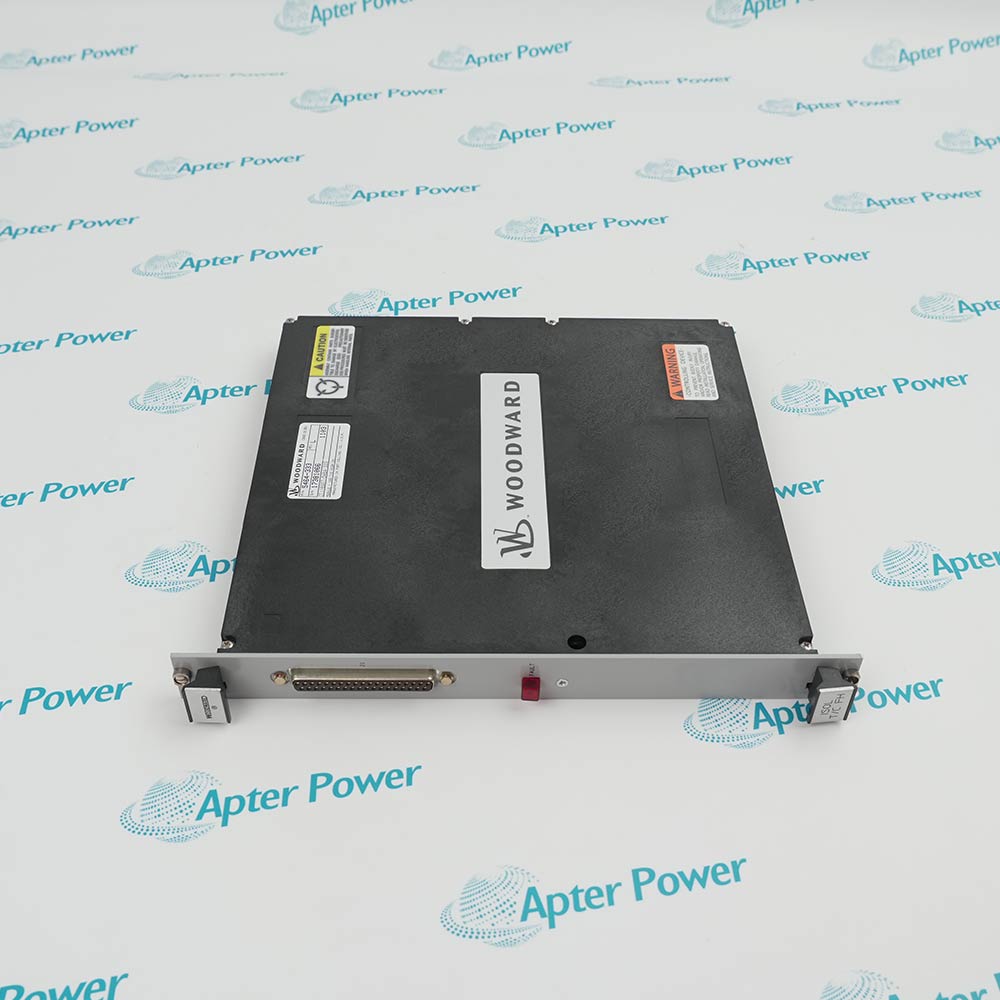
Collects remote discrete field states and transfers them to the first-generation LinkNet control network.
- Signal or energy path: Field contact states are detected by the input circuits, associated with the configured module address, and transmitted over the distributed network to the application controller.
- Companion components: Use the approved field-power source, dry-contact or solid-state input devices, twisted-pair network and host-controller configuration.
- Engineering check: Confirm module address, input polarity, field wiring, network termination and application-program mapping before commissioning.
- System boundary: Field-state interpretation depends on the application-program mapping and assigned LinkNet module address.
Industrial application,distributed turbine, engine and industrial control systems using the legacy LinkNet architecture.
Important Notice: Verify the complete 9905-971 nameplate, installed-system documentation, companion hardware and current Woodward instructions before installation or replacement.
Apter Power 9905-971 Manuals and Guides
Important Notice: The first link is the product-parameters PDF prepared only from the cited manufacturer information; the second link is the Apter Power product manual. Confirm the physical nameplate, current manufacturer documents, and host-system requirements before installation or replacement.
Legacy engine sequencing
Acquires non-time-critical contact states used by an approved Woodward 723 or 723PLUS engine-control application.
Generator-set status monitoring
Transfers breaker, permissive, alarm, or auxiliary-contact states when those functions are defined in the controller program; no specific field device is included.
Distributed cabinet or engine I/O
DIN-rail mounting allows the module to be located in a control cabinet or near the engine within Woodward's environmental and network-wiring limits.
Legacy LinkNet maintenance
Supports an installed first-generation LON LinkNet node position when the exact part, node address, field wiring, and obsolete-product maintenance plan have been verified.
Read and follow the current Woodward documentation and host-equipment instructions before work. Verify the complete physical nameplate and system configuration.
1
Treat 9905-971 as obsolete. Woodward permanently stopped production and marked the first-generation LON LinkNet parts inactive beginning January 2024.
2
Verify the exact controller type, application file, LON LinkNet channel, node count, and node address before installation; network-address availability differs among Woodward controller applications.
3
Set both rotary address switches to the address defined in the application program and cycle module power after an address change so the processor reads the new setting.
4
Do not assign the same address to two nodes and do not install the wrong LinkNet module type; Woodward documents address, type, and no-message faults for these conditions.
5
Use an 18 to 32 V DC supply and verify the 13.1 mA per active channel and 6.5 W module requirement against the field-contact and supply design.


 Videos
 News
News Applications