
Get Parts Quote
Name
Company *
Phone *
Email *
Address
City
State / Province / Region
Zipcode
Country
Quantity *
Part Number *
Manufacturer
Preferred Condition
Additional Information
Cancel

CC-PDIH01

High-Voltage Digital Input Module
In Stock
Ships by Tuesday, September 22
Fast Shipping Available

Product Describe:

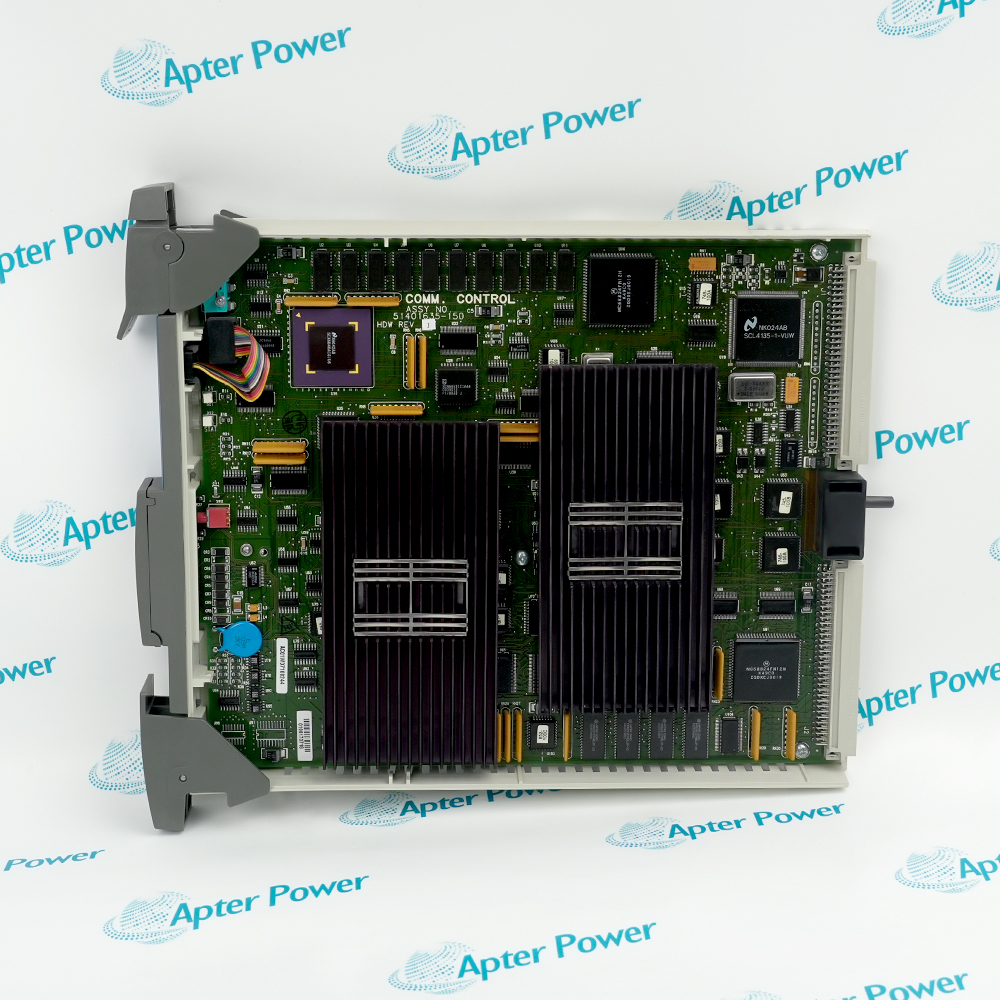
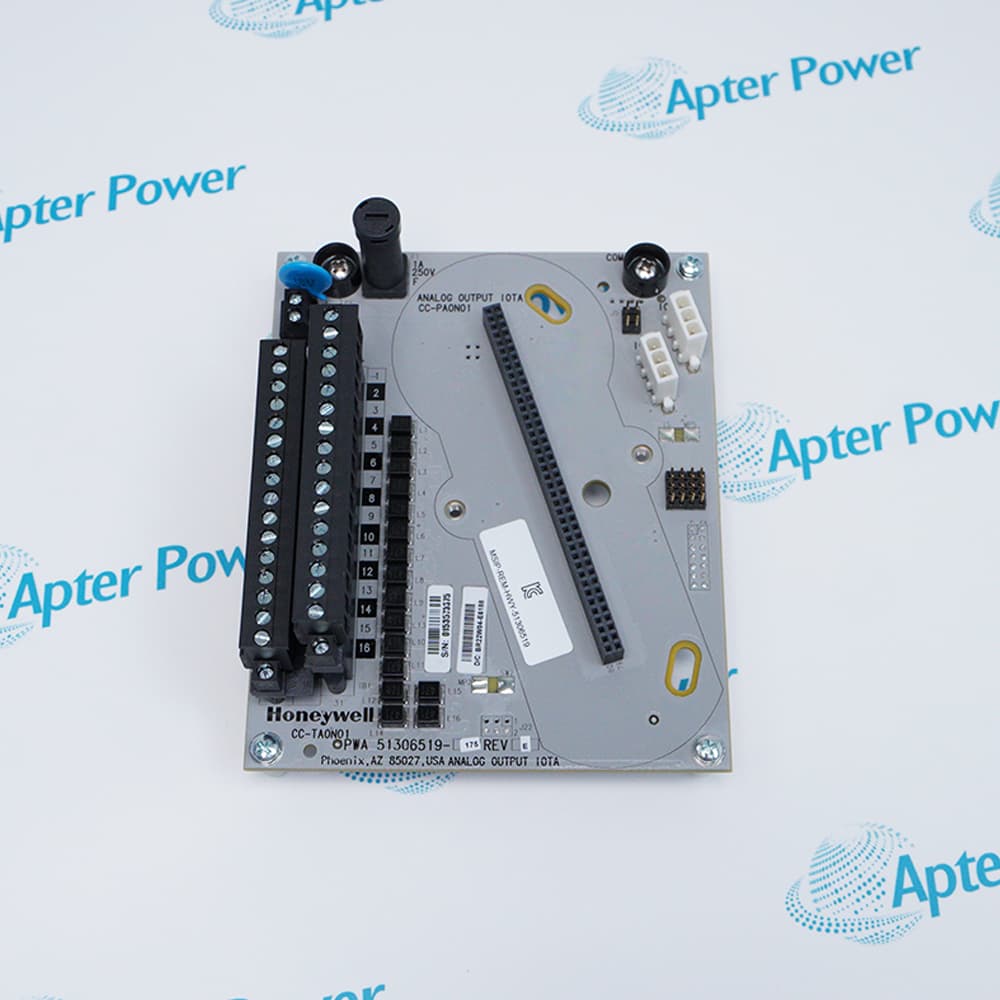
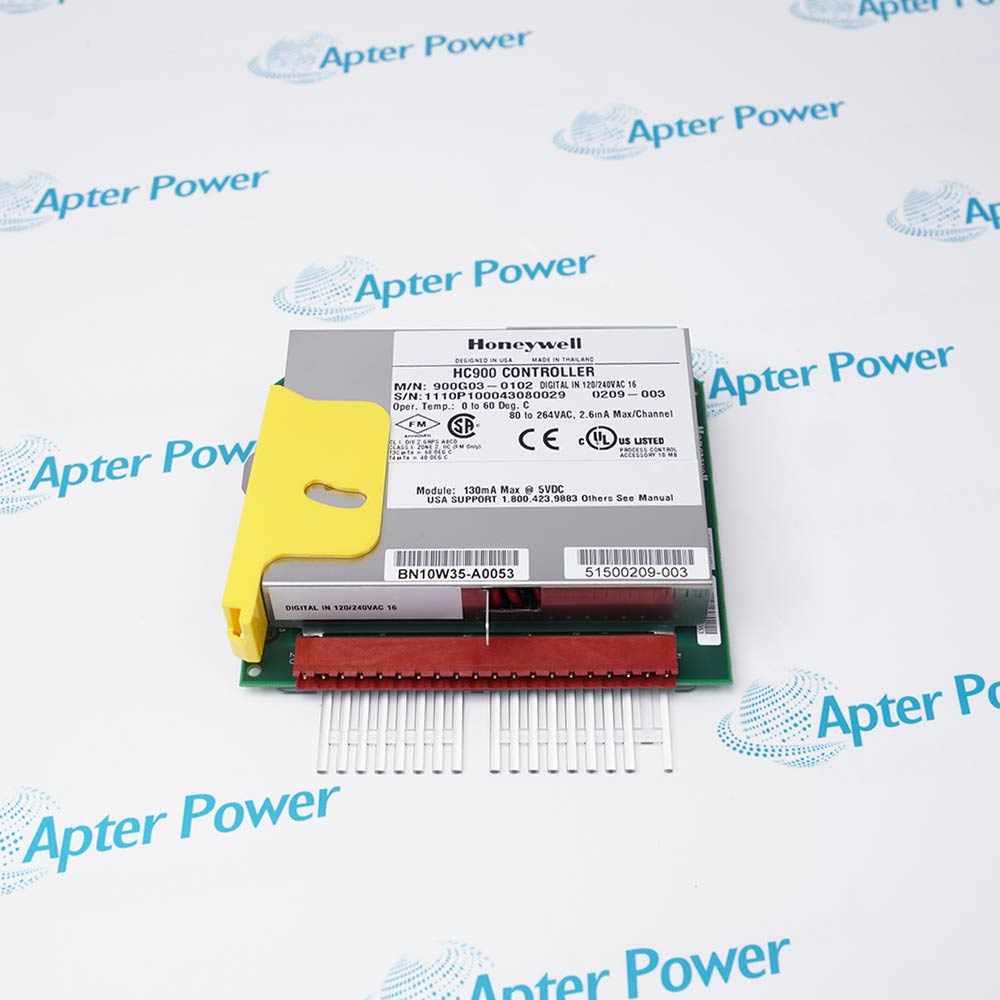
Honeywell CC-PDIH01 is a high-voltage digital input module. It acquires thirty-two high-voltage discrete field states through the selected Series-C digital-input IOTA.

Ask our team:

Get a quick price for: CC-PDIH01
Quantity*
Upload (gif, jpg, jpeg, png, bmp, doc, docx, xls, xlsx, ppt, pdf, csv)
For more information on how your data is processed and stored by Apterpower please read our privacy policy.

Technical specifications for CC-PDIH01

Technical specifications for CC-PDIH01

  • Manufacturer:
    Honeywell
  • Product Category:
    DCS System
  • Spare Part Number:
    CC-PDIH01
  • Estimated shipping dimensions:
    5.5x15.6x14.5cm
  • Weight:
    0.35 kg
  • Tariff Code:
    8537101190
  • Counliy of origin:
    USA
  • Input channels:
    32
  • Input isolation:
    1500 V AC rms or +/-1500 V DC
  • Isolation method:
    Optical
  • Supported nominal inputs:
    120 V AC; 125 V DC; 240 V AC
  • 120 V AC input range:
    90 to 132 V AC
  • 125 V DC input range:
    100 to 138 V DC
  • 240 V AC input range:
    180 to 264 V AC
  • AC frequency:
    47 to 63 Hz
  • CC-TDI151 pickup/dropout:
    90 V AC / 20 V AC
  • CC-TDI151 delay:
    25 ms
  • CC-TDI110/120 pickup:
    90 V AC / 100 V DC
  • CC-TDI110/120 dropout:
    25 V AC / 25 V DC
  • CC-TDI110/120 delay:
    25 ms AC / 10 ms DC
  • CC-TDI220/230 pickup/dropout:
    180 V AC / 50 V AC
  • CC-TDI220/230 delay:
    25 ms

Information

Information

Overview Manuals Common Applications Product Precautions
Honeywell CC-PDIH01 is high-voltage digital input module. It acquires thirty-two high-voltage discrete field states through the selected Series-C digital-input IOTA.
  • Scans thirty-two high-voltage digital inputs
  • Supports documented 120 V AC, 125 V DC or 240 V AC IOTAs
  • Optically isolates field states from module electronics
  • Applies IOTA-specific pickup, dropout and delay thresholds

CC-PDIH01 operates with selected CC-TDI high-voltage IOTA, AC or DC discrete field circuits, Series-C carrier, Experion input configuration.

Engineered applications include Motor-starter status monitoring, High-voltage interlock acquisition, AC proximity-switch input, Digital-input module renewal.

Important Notice: Identify the exact CC-TDI IOTA and field voltage before work; preserve input commons and confirm every pickup/dropout state at the documented threshold.

Apter Power CC-PDIH01 Manuals and Guides

Apter Power CC-PDIH01 Product and System Technical Reference PDFApter Power CC-PDIH01 Field Installation and Functional Acceptance Workbook PDF

The first document organizes model-specific identity, technical data and system context. The second provides a separate installation, connection, commissioning and acceptance workflow.

Motor-starter status monitoring

Collects auxiliary contact states from high-voltage panels.

High-voltage interlock acquisition

Brings permissive and interlock states into control logic.

AC proximity-switch input

Supports the documented 120 V AC proximity-input termination.

Digital-input module renewal

Restores the module while preserving IOTA-specific thresholds.

Read the applicable Honeywell instructions before work. Verify CC-PDIH01 and the installed Experion Series-C I/O configuration.
1

Verify the complete CC-PDIH01 marking and its assigned high-voltage digital-input position before work.

2

Place the connected process and control strategy in the approved maintenance state.

3

Isolate the applicable cabinet supply and high-voltage discrete field energy before disconnecting conductors.

4

Record terminal numbers, channel assignments, polarity, shields and configured ranges before removal.

5

Use ESD controls and protect the backplane connector, terminal hardware and coated electronics.

6

Confirm the installed selected CC-TDI IOTA and carrier arrangement against the approved project.

7

Restore power in a controlled sequence and clear only diagnostics created by the maintenance activity.

8

Complete controlled pickup, dropout and channel-state tests and retain the measured result before returning the channel to automatic service.

Technical notes

Technical notes

Identify the exact CC-TDI IOTA and field voltage before work; preserve input commons and confirm every pickup/dropout state at the documented threshold.

FAQS

  • Which CC-PDIH01 IOTA should be checked for 120 V AC or 125 V DC inputs?
    Confirm whether the installed CC-PDIH01 uses the CC-TDI110 or CC-TDI120 high-voltage IOTA and preserve the existing AC/DC field-circuit allocation before replacement.
  • How should CC-PDIH01 be paired for a 240 V AC field circuit?
    Use the documented CC-TDI220 or CC-TDI230 arrangement for the 240 V AC input group, then verify channel commons and the actual cabinet wiring before energization.
  • When is the CC-TDI151 threshold relevant to CC-PDIH01?
    The CC-TDI151 path is the 120 V AC arrangement with a 90 V AC pickup level and 20 V AC dropout level; use those thresholds when proving the connected CC-PDIH01 input states.
  • How can an engineer investigate contact chatter on CC-PDIH01?
    Check the applicable IOTA delay, field-voltage stability, grounding and input common before changing logic. The documented AC delay is 25 ms, while the 125 V DC arrangement uses a 10 ms delay.
  • What should be recorded before removing a CC-PDIH01 module?
    Record the complete module and IOTA markings, slot, channel-to-terminal map, field-voltage type, input commons and as-found diagnostic state so the replacement can be returned to the same approved arrangement.
  • How should isolation be maintained while servicing CC-PDIH01?
    Isolate both rack power and the external high-voltage field circuits, verify absence of voltage, and keep the optically isolated channel groups and commons separated during terminal work.
  • How should CC-PDIH01 inputs be commissioned after replacement?
    Apply controlled field states to every used channel and confirm pickup, dropout, indication, event sequence and host diagnostics against the thresholds of the installed CC-TDI IOTA.
  • Can CC-PDIH01 be moved between 120 V AC, 125 V DC and 240 V AC service without other changes?
    No direct transfer should be assumed. Match the IOTA type, nominal voltage, channel wiring, input common and project configuration to the intended AC or DC service before reuse.
Trusted by 5,000+ plants worldwide | Backed by our vast inventory of top-tier control parts, modules and cards, fast shipments are dispatched to cover your urgent needs. ABOUT US >>
Disclaimer: We are not an authorized distributor or distributor of the product manufacturer of this website, The product may have older date codes or be an older series than that available direct from the factory or authorized dealers. Because our company is not an authorized distributor of this product, the Original Manufacturer`s warranty does not apply.While many DCS PLC products will have firmware already installed, Our company makes no representation as to whether a DSC PLC product will or will not have firmware and, if it does have firmware, whether the firmware is the revision level that you need for your application. Our company also makes no representations as to your ability or right to download or otherwise obtain firmware for the product from our company, its distributors, or any other source. Our company also makes no representations as to your right to install any such firmware on the product. Our company will not obtain or supply firmware on your behalf. It is your obligation to comply with the terms of any End-User License Agreement or similar document related to obtaining or installing firmware.

Product Browsing History

We’re Here When You Need Us

From product insights to customer service needs, our experienced service team will focus on getting you what you need quickly

Enquire

Complete our online form.

Call Us

Speak to one of our team.

Live Chat

Send us a message.