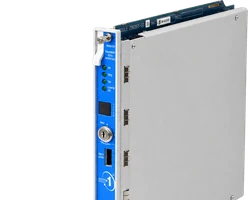
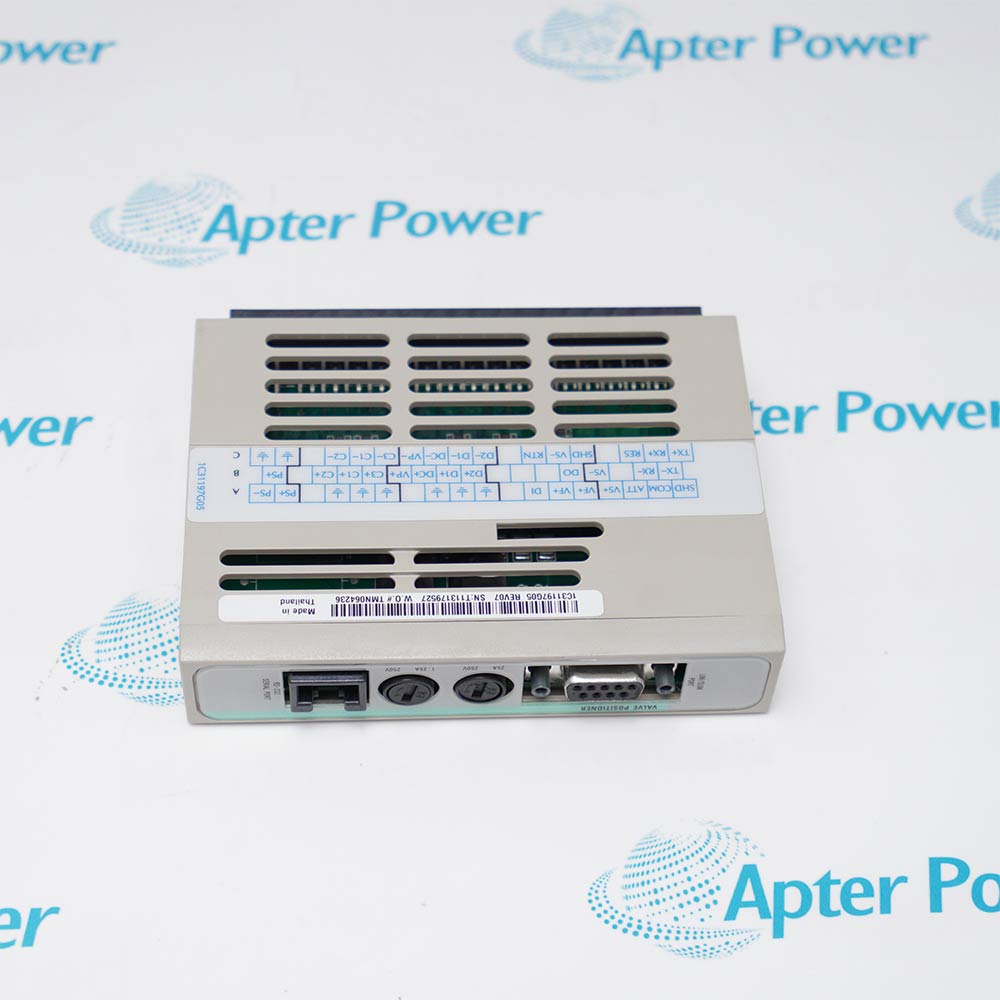
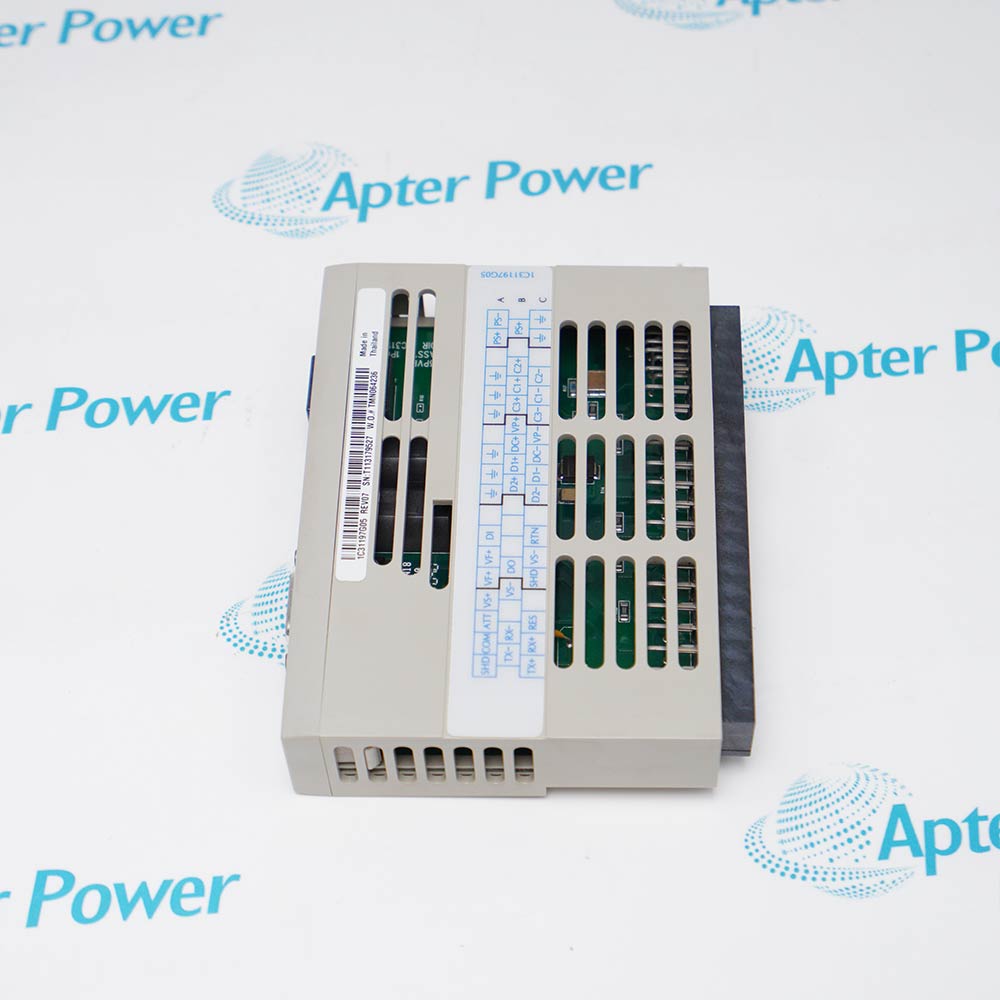
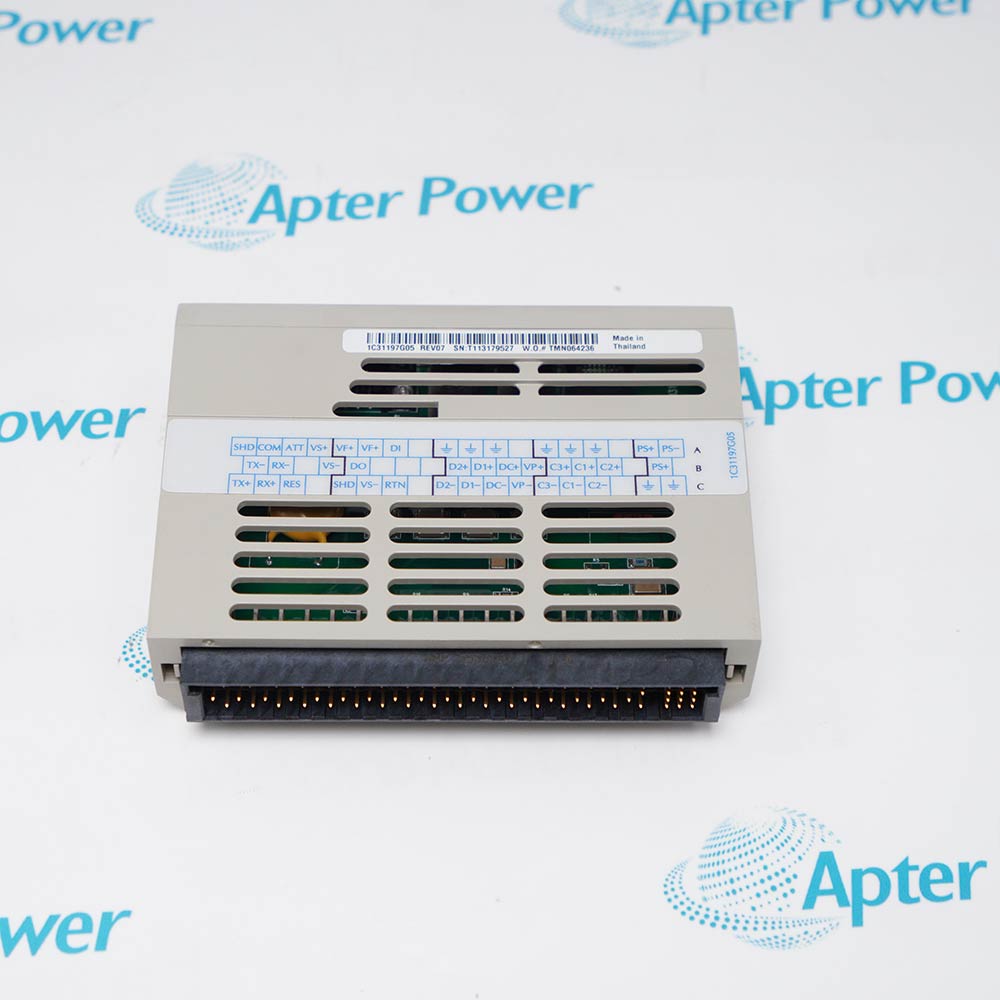
Valve positioners are used on controlling valves where accurate and rapid control is required without error or hysterises. Positioners are generally mounted on the side-yoke or top casing of the pneumatic actuator for linear sliding stem control valves, and at/near the end-of-shaft for rotary control vales.
How does a 4/20ma valve positioner work?
They're more versatile than their pneumatic-only counterparts and can handle more complex tasks. How They Work: These positioners take an electrical signal (typically 4-20 mA) from the control system, convert it into a pneumatic signal, and then use that to adjust the valve position.
What is the difference between a valve controller and a positioner?
A standard positioner is a simple tool that gets your valve to a set point. A digital valve controller is the smart upgrade, using a microprocessor to position the valve with extreme accuracy while also giving you diagnostic data to improve your whole process.
Manufacturers
Supporting new and legacy automation
Whether you're maintaining existing equipment or sourcing parts for current systems, we provide fast, dependable supply you can rely on.
Please try to be as accurate as possible with your search.
We can quote you on 1000s of specialist parts, even if they are not listed on our website.