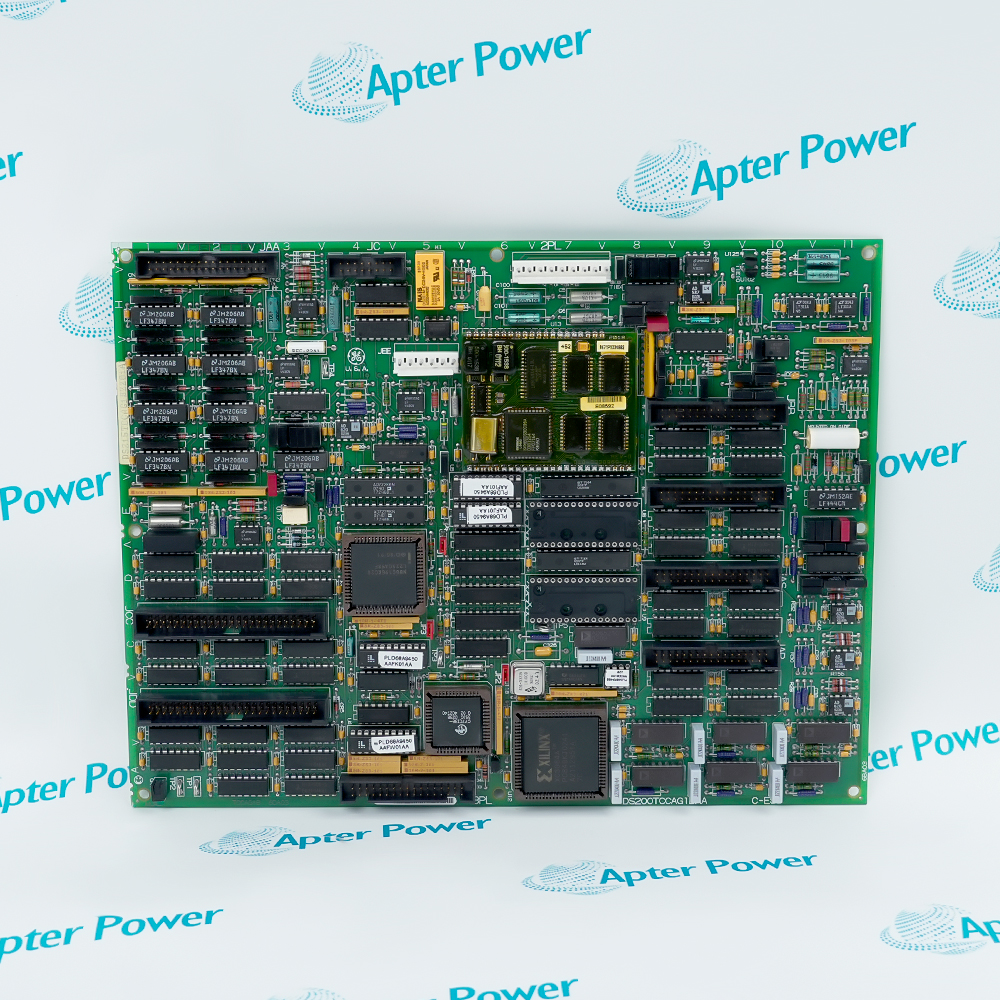
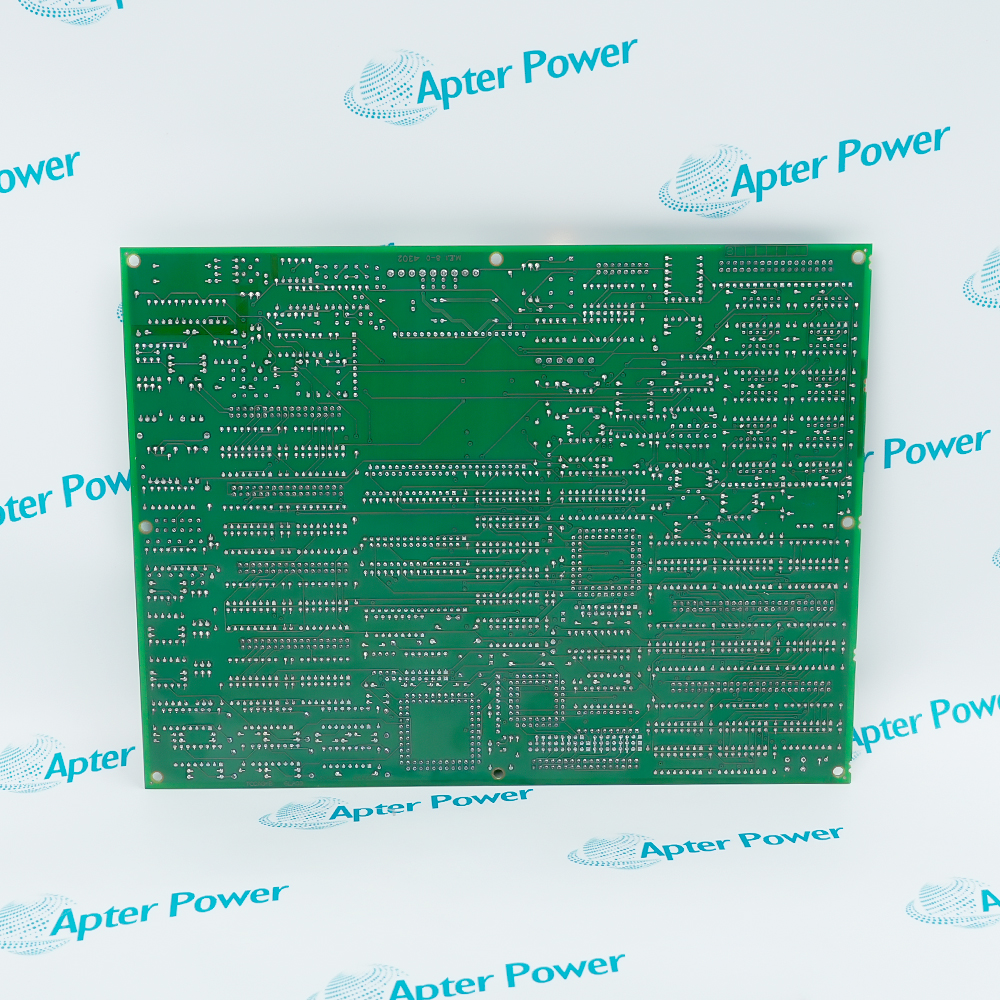
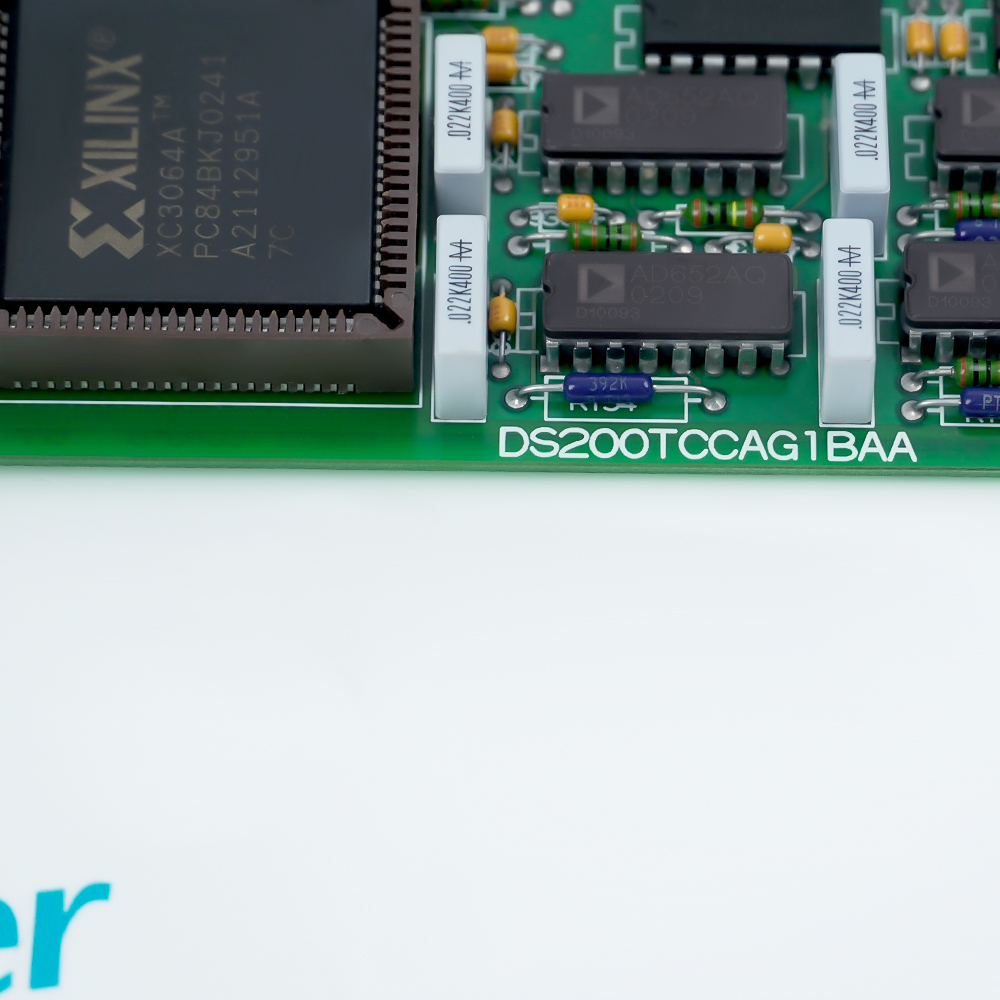
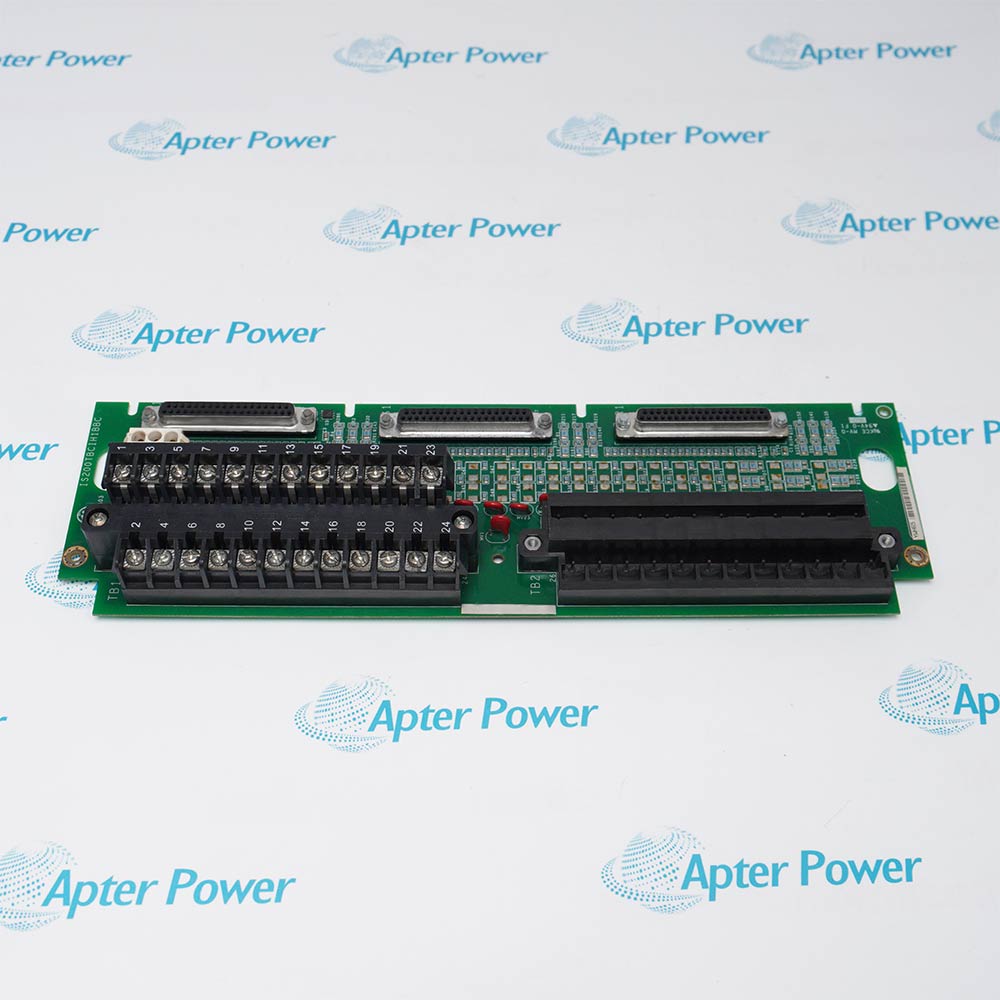
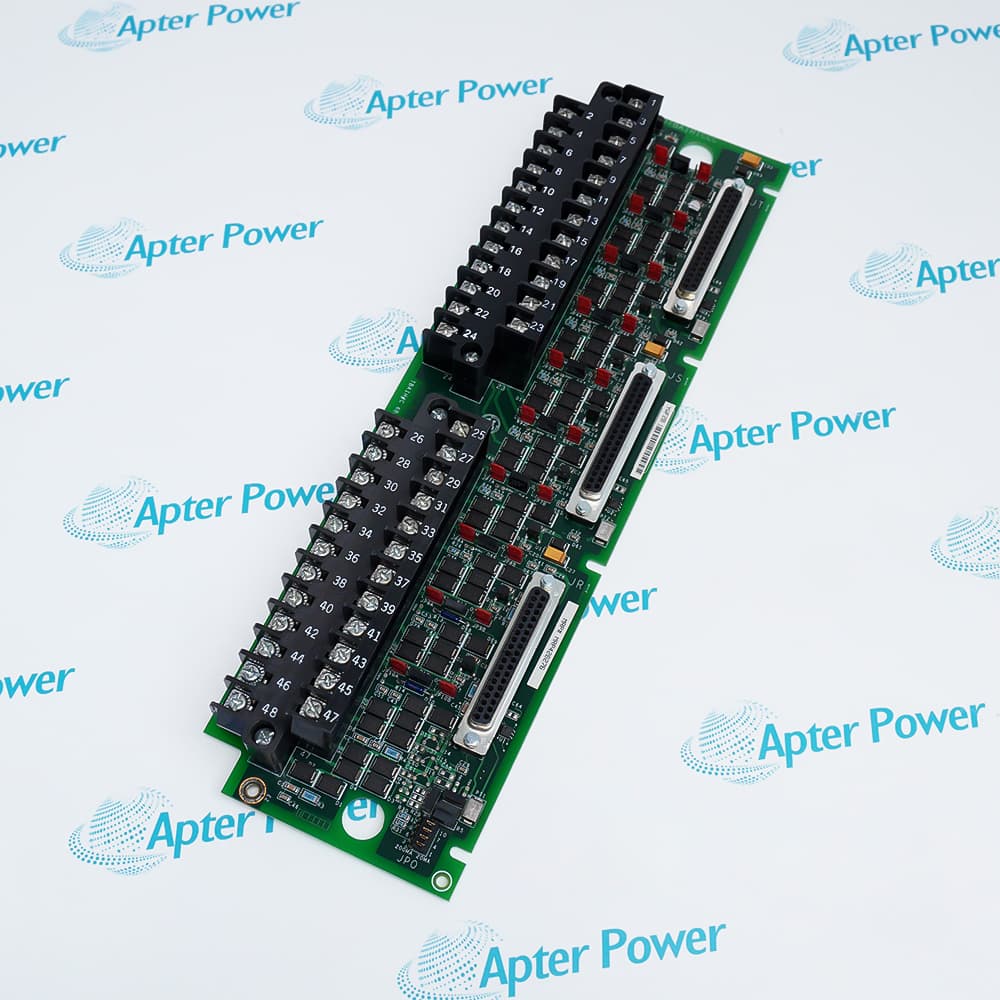
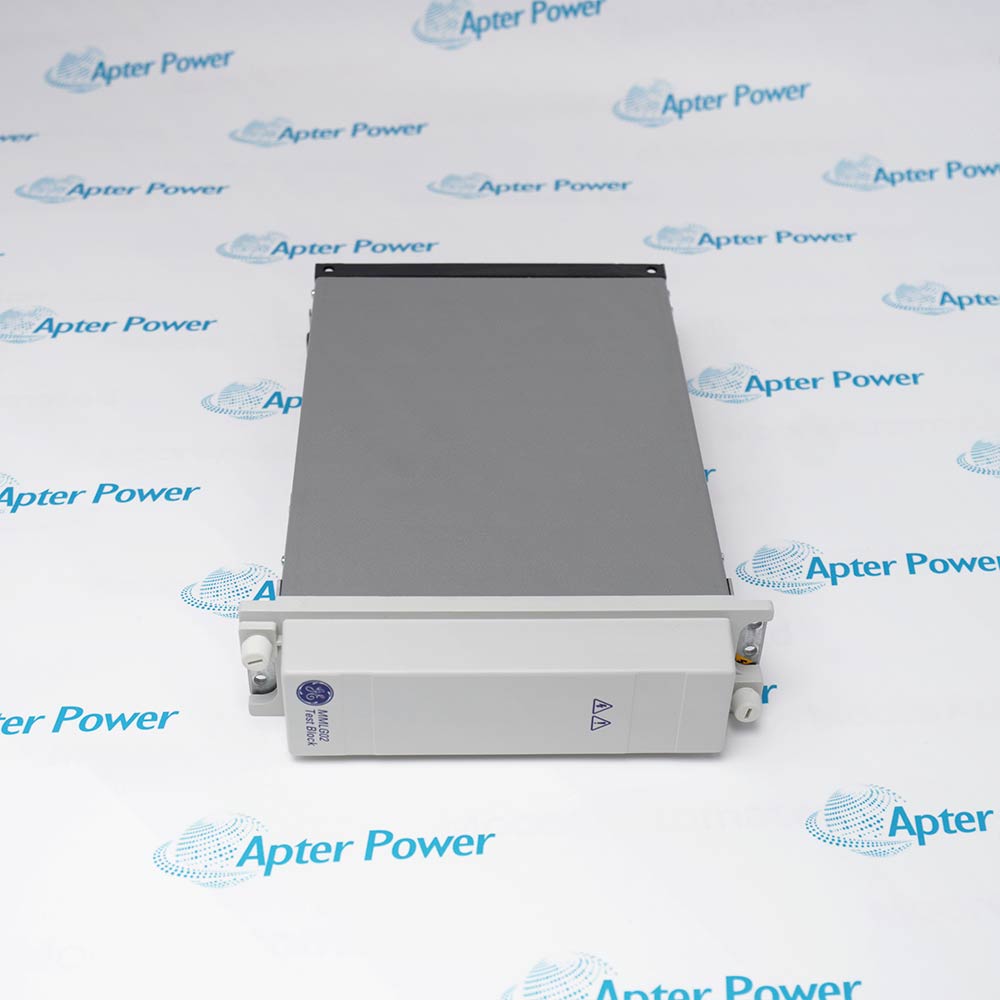
The DS215TCCAG1BZZ01A DS200TCCAG1BAA, serves as the hardware hub responsible for low-level signal interfacing and logic conditioning within the Mark V control system. Structurally, the combination is built upon a 16-bit Intel 80C196 microcontroller operating at a clock frequency of 16 MHz, which provides a precise timing baseline for internal data routing.
Receives and processes various physical analog signals from the field
Provides real-time temperature correction for connected thermocouple signals
Integrates miniature relays to actuate external dry contact switching logic
For signal processing, these boards interface directly with diverse field sensors. The channel architecture accommodates multiple physical thermocouple variants, including Types K, E, J, T, and S, utilizing either on-board circuitry or terminal boards for dynamic cold junction compensation. Additionally, the system includes dedicated input interfaces for 3-wire 100-ohm Platinum RTDs (Pt100), alongside industry-standard 4-20 mA current input and output loops. Dedicated analog conditioning channels are also assigned for shaft voltage and shaft current monitoring, combined with integrated miniature electromagnetic relays for dry contact logic outputs.
Important Notice: Other accessories, manuals, cables, calibration data, software, etc. are not included with this equipment unless listed in the above stock item description.
General Electric DS215TCCAG1BZZ01A DS200TCCAG1BAA Turbine Control Contactor/Common Analog Board Manuals, Datasheets, Drivers, Link
Important Notice: Other accessories, manuals, cables, calibration data, software, etc. are not included with this equipment unless listed in the above stock item description.
Gas Turbine Power
Conditions thermocouple signals from turbine exhaust temperature (wheelspace) and monitors shaft current to prevent bearing damage.
Steam Turbine Power
Collects RTD temperature signals from steam pipelines and controls actuator relays for main steam valves.
Petrochemical & Refining
Provides shaft protection and temperature monitoring for captive power plant heavy generator sets during cracking or catalytic processes.
Iron & Steel Metallurgy
Manages heavy blast furnace blower turbine drive systems utilizing blast furnace gas for power generation.
Pulp & Paper Industry
Accurately collects steam thermocouple data in paper mill Combined Heat and Power (CHP) units to maintain process steam balance.
Industrial Gas Manufacturing
Processes analog control logic of high-pressure steam turbines driving large air compressors in air separation units.
When operating and maintaining the TCCA (DS215TCCAG1BZZ01A and DS200TCCAG1BAA) hardware combination, complete system power-down is mandatory prior to insertion or removal, and personnel must wear anti-static (ESD) wrist straps at all times to prevent chip blowout. Before card replacement, precisely document and verify the hardware jumpers (J1, JP2, JP3) and the firmware versions on the socketed EEPROM chips of the legacy board. On the software side, because calibration parameters for thermocouples, RTDs, and 4-20 mA loops are stored within the system, gains and constants must be reloaded via the HMI I/O Configuration Editor following a swap. Additionally, the operating environment must be maintained within a clean, condensation-free control cabinet between 0°C and +60°C, supplemented by regular dust removal, capacitor inspection, and tightness checks on the 50-pin 3PL ribbon cables during outages.
Dual-slot Programmable Read-Only Memory (PROM) chips house the core firmware, Static Random-Access Memory (SRAM) handles temporary data buffering, and Electrically Erasable Programmable Read-Only Memory (EEPROM) retains field I/O calibration constants. In terms of connectivity, the board assembly utilizes a 50-pin 3PL ribbon cable interface for bus-level data exchange with the main control card (STCA), alongside JBB/JCC multi-pin sockets for external terminal board links. An RS-232 serial diagnostic test port is also available, which can be physically enabled or disabled via jumper J1.
They are core printed circuit boards (PCBs) used in General Electric's (GE) Mark V Speedtronic turbine control system. DS200 is an earlier version, while DS215 is an upgraded or replaced version containing updated microprocessor technology or functional improvements.
Which industrial control system do these products belong to?
These boards specifically belong to the GE Mark V electro-hydraulic turbine control system, which is primarily used to manage gas and steam turbines.
What is the primary function of DS215TCCAG1BZZ01A and DS200TCCAG1BAA?
Serving as Turbine Control Contactor Cards (TCCA), they are responsible for processing digital input/output (I/O) signals, relay control, contactor interfacing, and vital protection and control logic in turbine operations.
How do these control cards connect to the Mark V system?
They are installed in slots within the Mark V control cabinet (usually in protection or control cores) and interface with the system backplane, power lines, and external field devices via ribbon cables, card edge connectors, and terminal blocks.
What are the environmental requirements for installing these cards in industrial settings?
They must be installed inside industrial control cabinets with temperature control (anti-overheating), low humidity (anti-condensation), and absence of conductive dust to prevent premature failure of electronic components.
Manufacturers
Supporting new and legacy automation
Whether you're maintaining existing equipment or sourcing parts for current systems, we provide fast, dependable supply you can rely on.
Please try to be as accurate as possible with your search.
We can quote you on 1000s of specialist parts, even if they are not listed on our website.