Speak to a sourcing specialist
sales13@apterpower.com

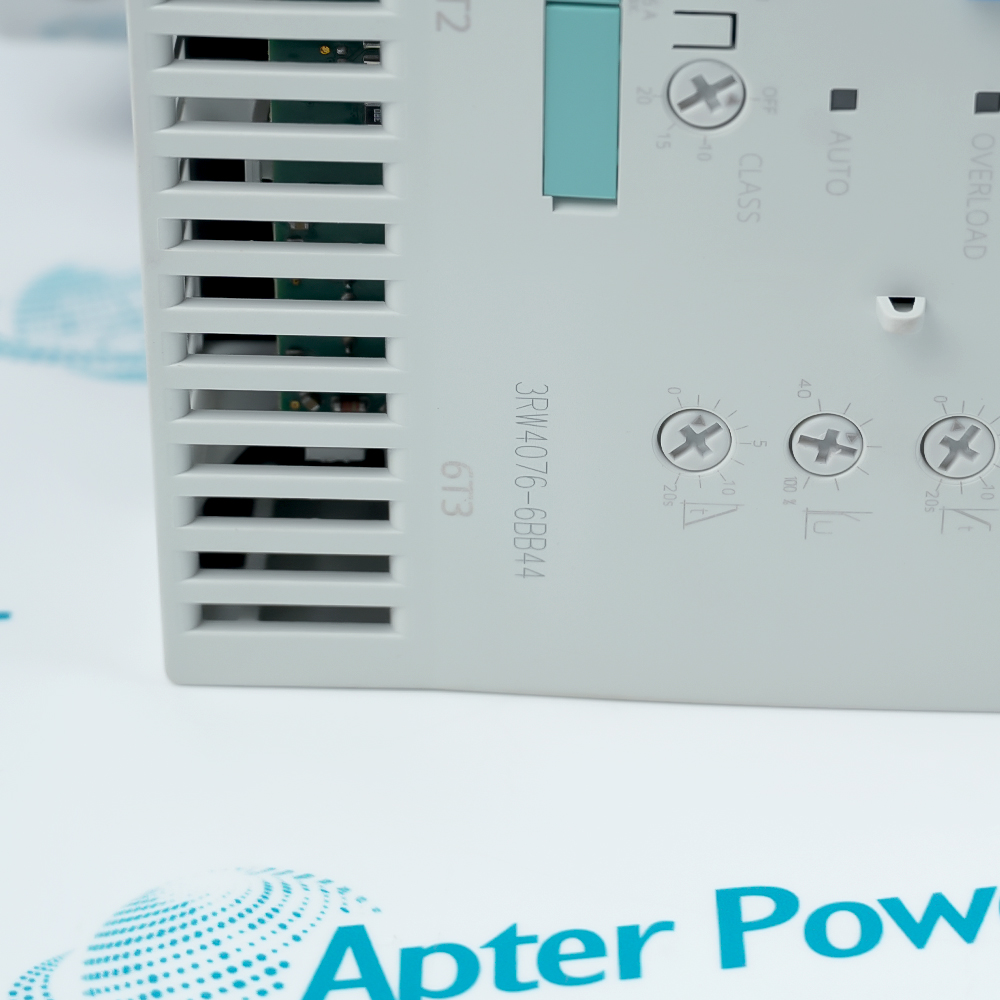
3RW4076-6BB44

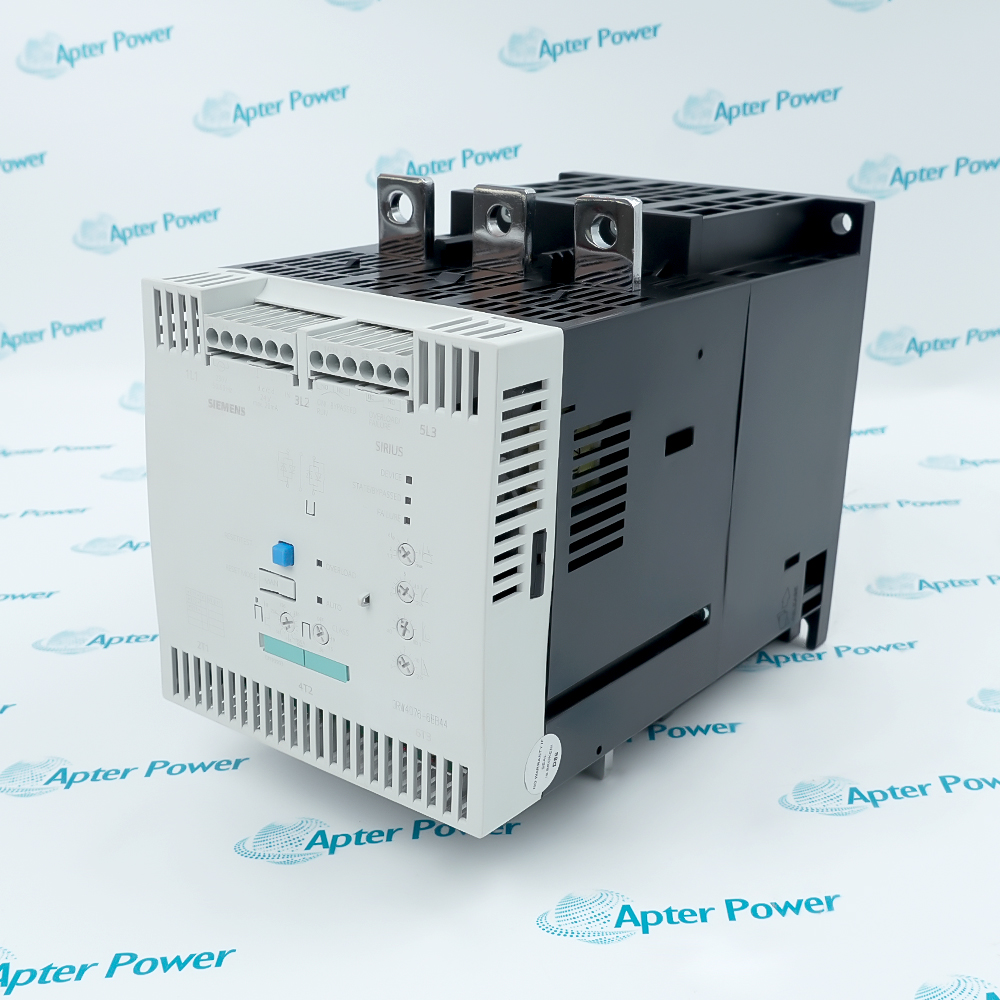
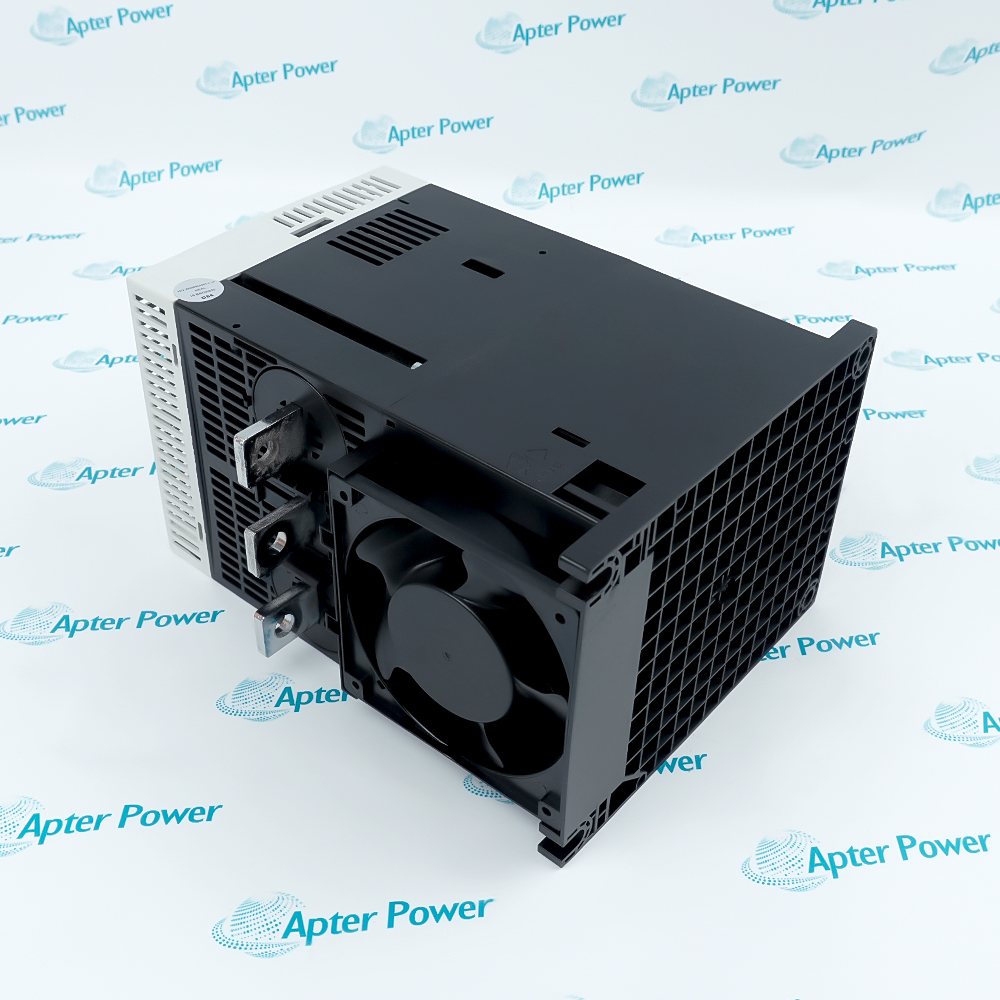
Three-Phase Motor Soft Starter
Siemens 3RW4076-6BB44
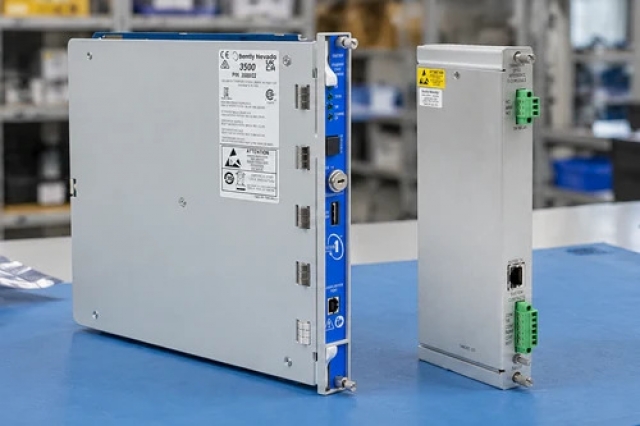
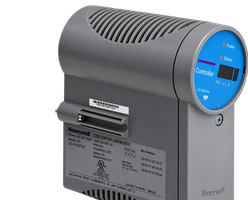
Product image is representative; revision or series may vary. Contact us to request a specific version.

Product Describe:

Siemens 3RW4076-6BB44 limits motor-starting stress through a SIRIUS soft-starting arrangement with integrated bypass contacts.
  • Manufacturer part number
    3RW4076-6BB44
  • Shipping
    Swift global dispatch
  • Condition
    New, original product
  • Shipping size (est.)
    3cm x 3cm x 1cm
  • Country of Origin
    Germany
Get a quick price for 3RW4076-6BB44
E-mail *
Mobile
Company
Content *
Quantity *
Upload (gif, jpg, jpeg, png, bmp, doc, docx, xls, xlsx, ppt, pdf, csv)
For more information on how your data is processed and stored by Apterpower please read our privacy policy

What happens after you enquire

  • 0

    Review your reference

    Send the complete 3RW4076-6BB44 reference, label photographs and required quantity, together with the installed system position.

  • 1

    Confirm the offer

    Review the offered 3RW4076-6BB44 execution, condition, included connection hardware and applicable documentation.

  • 2

    Arrange dispatch

    Confirm quantity, dispatch date and delivery details for 3RW4076-6BB44 in the quotation.

  • Match the complete marking

    Match the complete Siemens 3RW4076-6BB44 marking, hardware execution and connection arrangement to the installed position before approving the order.

  • Check the offered item before ordering

    Request clear photographs of the offered 3RW4076-6BB44 and ask your maintenance team to compare its markings and interfaces with the installed equipment and applicable Siemens instructions.

Technical specifications for 3RW4076-6BB44

  • Manufacturer:
    Siemens
  • Product Category:
    General Automation
  • Spare Part Number:
    3RW4076-6BB44
  • Weight:
    0.35 kg
  • Tariff Code:
    8537101190
  • Rated operating current:
    432 A at 40 degrees C
  • Operating current at 50 degrees C:
    385 A
  • Operating current at 60 degrees C:
    335 A
  • Motor power:
    250 kW at 400 V and 40 degrees C
  • Main supply:
    200-460 V AC
  • Control supply:
    230 V AC; 50/60 Hz
  • Integrated bypass:
    Yes
  • Motor overload protection:
    Yes
  • Adjustable current limitation:
    Yes
  • Inside-delta connection:
    Not supported
  • Minimum motor-current setting:
    207 A
  • Typical running power loss:
    165 W at rated current and 40 degrees C

Information

Overview Downloads Applications / Compatibility Product Precautions
  • Siemens 3RW4076-6BB44 reduces starting stress before bypassed running, making acceleration duty and motor protection central to selection.
Starting method: Controlled acceleration followed by integrated bypass
Protection role: Motor overload and internal device protection
Application boundary: Standard in-line motor circuit
A soft starter controls the acceleration process and then transfers running current through its bypass arrangement. It does not provide continuous adjustable-frequency speed control. Match the application to the intended starting and stopping behavior.

Starting capability depends on load torque, motor inertia, current limitation and the allowed thermal duty. A lower current setting can prolong acceleration and may prevent the motor from reaching operating speed. Evaluate the complete starting cycle.

The control supply and main motor circuit have separate voltage requirements. Preserve the specified control arrangement and external protection coordination when replacing the starter, and assess the motor-overload settings against the actual motor nameplate.
Controller platform reference: SIRIUS motor control. Use the applicable installation instructions and approved design.
The original technical excerpt supports 3RW4076-6BB44 configuration review. The separate Apter Power field guide organizes practical diagnostic checks. Installation topics include: capture motor load and starting duty, verify main and control supply separation, restore standard-circuit wiring and protection.
Original manufacturer pages retain their technical context. Use the Apter Power guide with the applicable manufacturer instructions and approved installation design.
System and supply context: 3RW4076-6BB44 belongs to the SIRIUS motor control installation described by the technical reference. Connected equipment and accessories must be included explicitly in the configured assembly.

Application scope: The following uses describe supported engineering roles; they do not establish interchangeability with another model or remove application-specific validation.
Prepare Siemens 3RW4076-6BB44 for its configured installation using these checks.
Capture motor load and starting duty

Record the motor ratings, connection arrangement, acceleration duty and actual cabinet ambient conditions. Compare the required current with the temperature-dependent starter rating and the permitted motor range. Identify the retained motor-protection and starting settings before removing the installed unit.

Verify main and control supply separation

Isolate the motor feeder and control supply through the approved procedure. Inspect the wiring against the intended in-line starter arrangement and the integrated bypass function. Confirm that the selected control voltage matches the unit before reconnection; similar housing dimensions do not establish electrical equivalence.

Restore standard-circuit wiring and protection

Restore the retained motor and protection configuration and inspect feeder and motor terminals. Keep the driven equipment in its permitted commissioning state. Verify that motor load and starting conditions are understood before adjusting current limitation or ramp settings to compensate for an unsuccessful start.

Test acceleration and bypass operation

Conduct the approved start test while observing current, acceleration and transition to bypassed running. Compare the result with the expected mechanical response and the allowed start duty. Stop testing and investigate if the motor stalls, accelerates incorrectly or protection operates unexpectedly.

Assess repeated-start thermal behavior

Verify the intended stop behavior and the separately engineered motor-protection response. Retain the final settings and observed current with the motor record. Where replacement planning involves the preferred successor, assess wiring, protection and application compatibility independently instead of treating the successor reference as a direct interchange instruction.

Keep the technical scope explicit

Use the exact hardware execution with the supported system configuration and installation conditions.

Alternative Names

Siemens 3RW4076-6BB44

Technical notes

Configuration baseline: Keep the installed SIRIUS motor control arrangement aligned with the complete 3RW4076-6BB44 reference and its assigned system role.

Acceptance boundary: Compare the electrical or communication response with the intended application outcome before releasing maintenance controls.

Technical reference: Siemens product data sheet, 3RW4076-6BB44. Use the exact hardware execution with the supported system configuration and installation conditions.
FAQ View All FAQ

  • Why can excessive current limiting on 3RW4076-6BB44 prevent a successful start?
    Reducing current also reduces available starting torque. If load torque remains too high, acceleration is prolonged or stalled and heating increases. Adjust within the approved motor and starter design rather than assuming the lowest current is always best.
  • Can 3RW4076-6BB44 regulate motor speed continuously like a variable-frequency drive?
    No. It is a soft starter for starting and stopping duties, with integrated bypass for running operation. Applications requiring continuous frequency-based speed control need a suitable drive system.
  • Why must ambient temperature be considered when selecting 3RW4076-6BB44?
    Permitted operational current decreases as ambient temperature rises. Assess cabinet temperature and the actual motor duty together. The rating at 40 degrees C must not be carried unchanged into a hotter enclosure.
  • Is inside-delta wiring supported by 3RW4076-6BB44?
    No. Use the supported standard circuit and approved wiring design. An inside-delta arrangement used for another starter family must not be copied to this execution.
  • What should be checked if 3RW4076-6BB44 starts once but trips on repeated starts?
    Review acceleration duration, starts per duty cycle, cooling and motor load. Repeated starts accumulate heat differently from one cold start. Diagnose the thermal duty before changing protection settings.
  • Does the motor-overload function of 3RW4076-6BB44 replace all feeder protection?
    No. Upstream short-circuit protection and installation coordination remain necessary. Select the protection arrangement for the actual supply and motor circuit; overload monitoring alone is not a complete fault-protection scheme.
  • Why must the control supply be checked separately on 3RW4076-6BB44?
    Its control circuit requires the specified 230 V AC supply, distinct from the motor power circuit. A correct main supply does not establish correct control voltage. Verify both circuits before energization.
  • Can the preferred successor to 3RW4076-6BB44 be installed without an engineering comparison?
    No. Compare terminal assignments, control supply, motor rating, protection functions and starting duty. A preferred successor designation guides selection but does not eliminate the need to validate the installed circuit.
Manufacturers

Product Browsing History

Revisit the products you recently viewed on Apter Power.
SPEAK TO OUR TEAM
Let’s find the right solution for you.
Send us the part number, quantity and delivery destination. Our team will help confirm availability and lead time.
  • Whatsapp: +86 18030235313

    Send us a message.
  • sales13@apterpower.com

    Complete our online form.
  • +86 18030235313

    Speak to our team in your native language.