



FIELD BRIEF 07 · INSTALLED BASE STRATEGY
Build a Practical Plan for DeltaV Spare Coverage
Start by deciding what the purchase must achieve: cover a known failure, build a planned spare, or support an approved upgrade. The sections below show where part identification, supplier evidence, and engineering review fit into that decision.
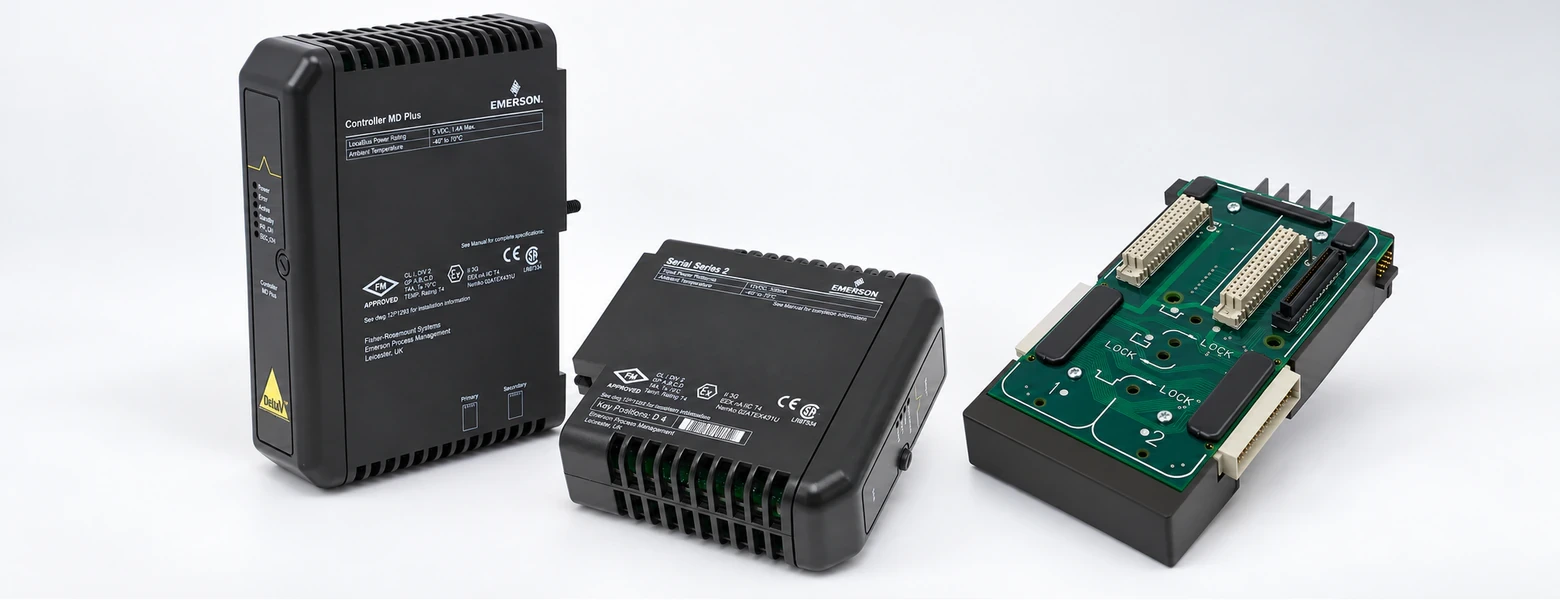
Emergency replacement, planned spare, or system upgrade? Each needs a different purchasing specification.
Capture the complete code, revision, installed location, and included accessories before comparing offers.
Ask for the offered unit's photographs, condition, test scope, dispatch estimate, and written commercial terms.
WHAT 16.LTS CHANGES
New capabilities need a defined project scope
Emerson announced DeltaV version 16.LTS on 20 January 2026. The release includes the server-based IQ Controller, native PROFINET over Ethernet-APL support on the PK Controller, Continuous Historian Elite, and DeltaV Live Enterprise View for read-only access to process displays beyond the control room. These features widen the planning options for control, field connectivity, data, and operator visibility.
For procurement, the first question is the job itself. A spare for the running system should match its approved installed configuration. An expansion needs a defined I/O and capacity scope. An upgrade needs a reviewed migration plan, including software, interfaces, backups, and testing. Keep these requirements separate so an urgent replacement does not quietly become an unplanned design change.
A useful RFQ answers two questions: what exact assembly are we buying, and what evidence will let the site accept it?
TURN THE PLAN INTO AN RFQ
Four workstreams, four sets of evidence
PART IDENTIFICATION
One missing suffix can change the order
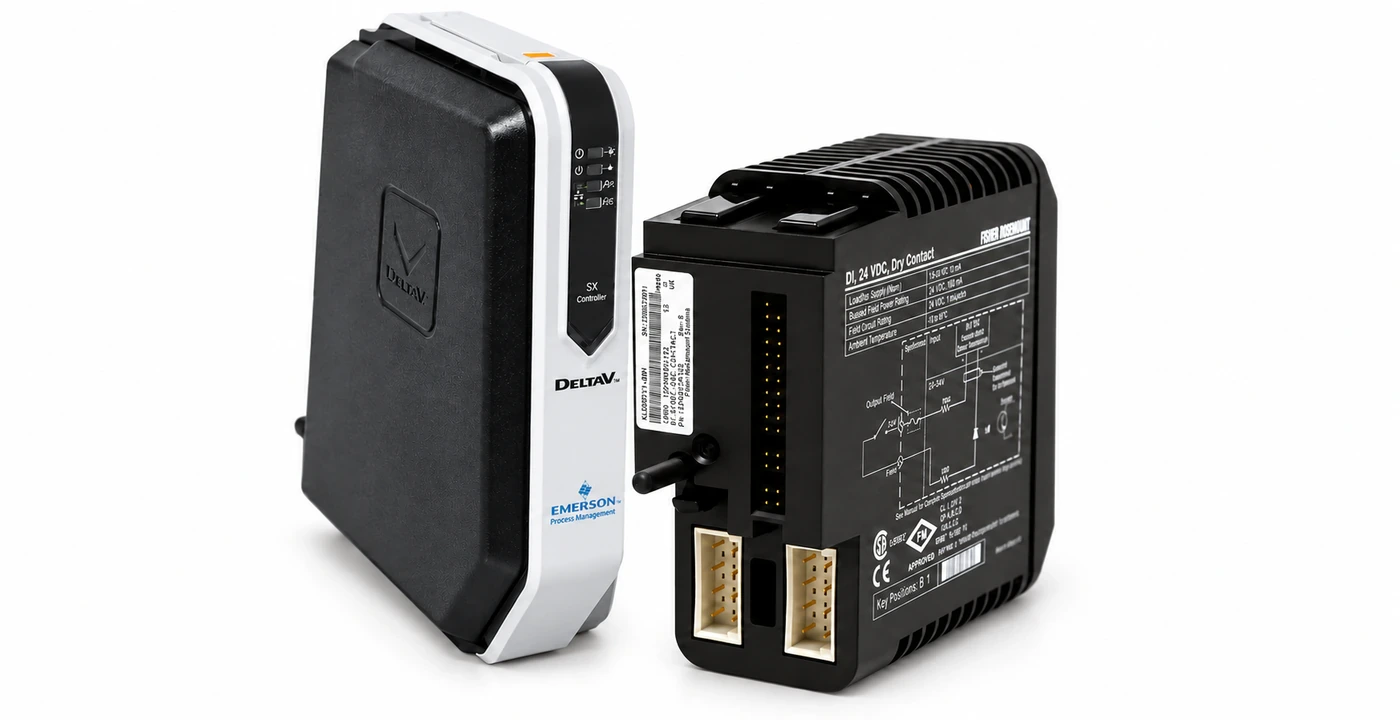
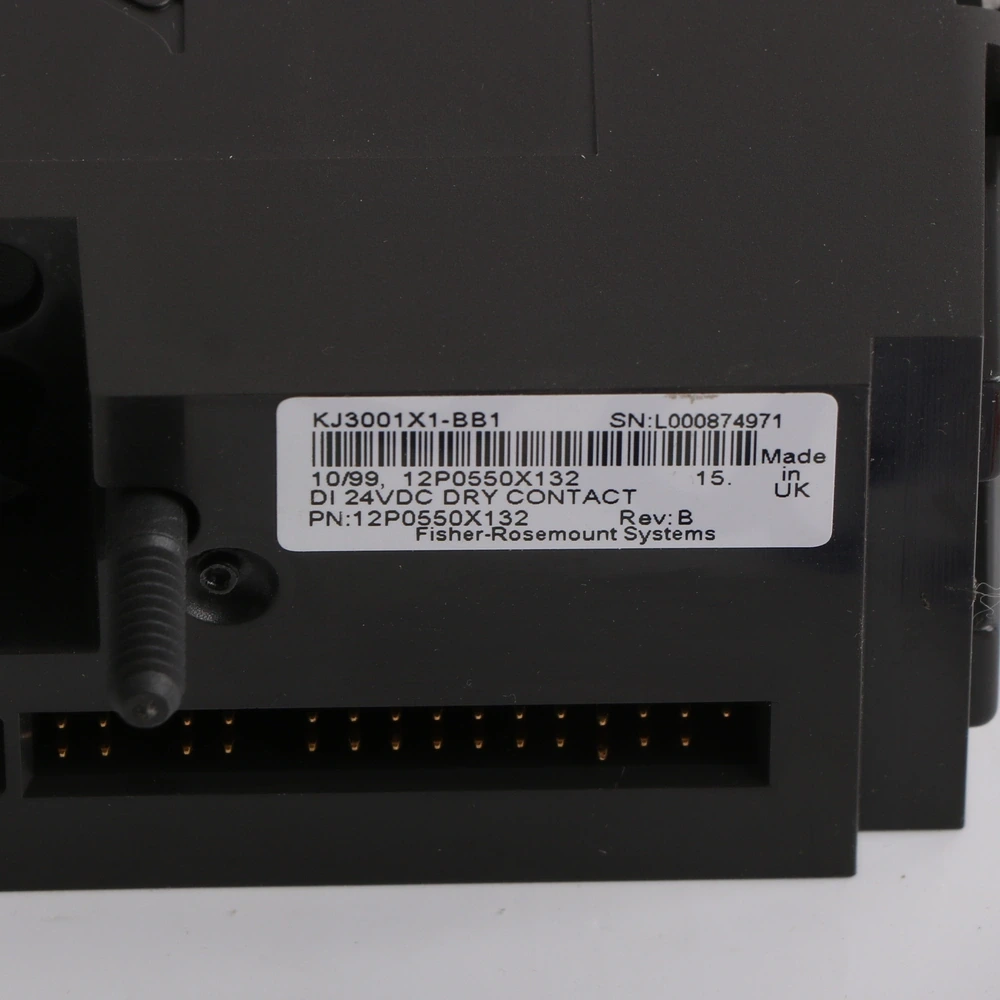
A description such as "DeltaV input card" is a search term, not a purchase specification. Transcribe the full nameplate, including KJ and 12P references where present, all suffixes, and visible revision information. Keep the photograph beside the typed code so engineering and the supplier can review the same evidence.
Include the side label, connectors, terminal assembly, and installed slot. If the label is damaged, send the readable details and mark the gaps; do not guess missing characters. When an alternate code is proposed, request a written comparison for the site engineer to review against the relevant manufacturer documentation.
SEND YOUR PART NUMBER AND PHOTOSSUPPLIER EVIDENCE
Make every quotation answer the same questions
Ask whether the pictures show the actual unit being offered, and request a dated view of its label. Have the seller confirm in writing that the offered module is new and unused. A quote should also identify the accessories supplied with the module. A lower price is difficult to compare if one offer includes a terminal assembly and another does not.
For a tested unit, ask what was checked, on which equipment, when, and against which acceptance criteria. Request the available report and note anything outside the test scope. Put quantity, dispatch estimate, shipping method, destination, warranty, and return terms in writing. For an outage purchase, distinguish the supplier's dispatch date from the date the part must arrive on site.
INSTALLED ASSEMBLY CHECK
Check the parts around the module
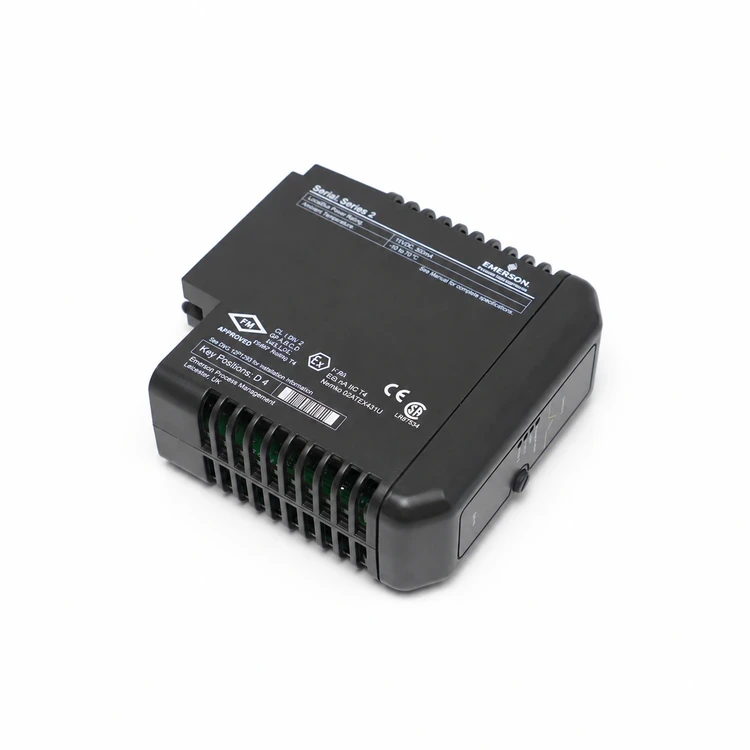
The module is only one line in the requirement. Record the carrier, terminal assembly, field wiring, power arrangement, and installed position. For communication hardware, add the protocol, driver, license, and connected equipment. These details help engineering define the replacement and help procurement identify what the quoted package actually contains.
For example, if the requirement is for a module plus its terminal assembly, ask for both codes and a clear photograph of both items. If the offer is module-only, identify the missing item before issuing the purchase order. Keep the site's acceptance and recovery procedure with the approved requirement.
SPARES AND MODERNIZATION
Buy time without losing the upgrade plan
Build the spare list around production consequence and recovery time. Ask which failure could stop the process, what is already held on site, and how long an accepted replacement would take to obtain. Record those answers separately from the budget and scope for a future 16.LTS upgrade.
Emerson's guidance for validated systems calls for release-note review, a gap assessment, and risk-based evaluation of retesting. Use the site's change-control process to decide which hardware and software can remain, what must change, and what evidence is required before the upgraded system is accepted.
START WITH YOUR EXACT CODE
DeltaV catalog references to investigate
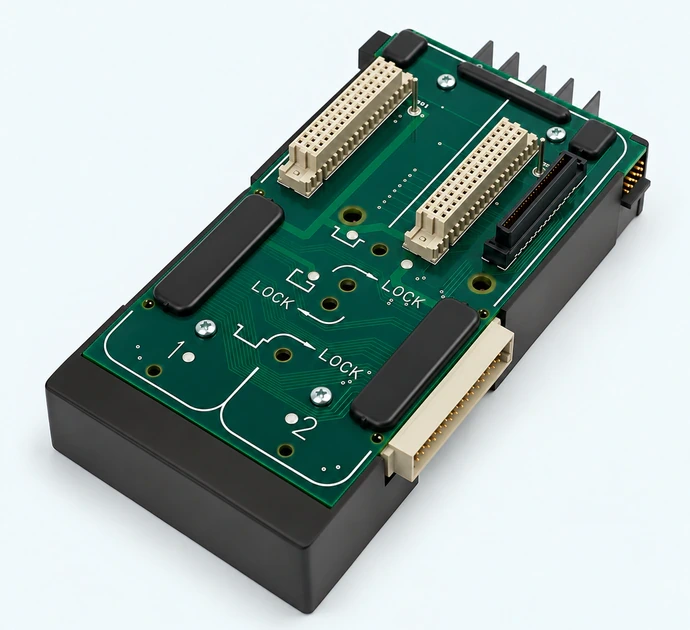
Use these catalog links to compare identifiers and product imagery. Confirm the offered unit, current availability, and application suitability for your request; a listing is not a 16.LTS compatibility statement.
THE RFQ EVIDENCE PACK
Six items that make an RFQ easier to answer
- IdentityFull model and suffixes, visible revision, quantity, and a readable label photograph.
- Installed environmentCurrent DeltaV release, controller, carrier, terminal assembly, and installed slot.
- ApplicationEmergency replacement, planned spare, expansion, or upgrade; include the engineering requirement.
- Condition scopeAcceptable condition, required accessories, requested test evidence, and acceptance criteria.
- Delivery termsDestination and required arrival date, plus requested shipping, warranty, and return terms.
- AlternatesState whether alternatives may be proposed and who must approve any code or revision change.
PROCUREMENT FAQ
Questions to resolve before placing the order
Does a 16.LTS project require a completely new spare-parts list?
The release name alone cannot define that list. Begin with the installed inventory and approved upgrade scope, then identify what stays, what changes, and which spares are needed during the transition. Use the applicable release notes and engineering review to close the gaps.
The supplier has stock. What still needs checking?
Confirm the exact unit, complete code, condition, accessories, test evidence, and dispatch estimate. Engineering must still confirm that the offered assembly meets the site's requirement. Stock confirmation answers a supply question; it does not complete the application review.
What if the offered part has a different suffix or revision?
Ask the supplier to identify the difference explicitly and provide the supporting documentation. Keep the original requirement and proposed alternate side by side. Obtain engineering approval before changing the purchase specification.
Is a power-on test enough for acceptance?
A power-on check only demonstrates what was observed during that check. Ask whether the required channels, communications, or functions were exercised, and compare the written test scope with the site's acceptance criteria. Record any checks still needed after receipt.
What should I send if the complete part number is unreadable?
Send clear photographs of every label and connector, the installed position, and any available equipment records. Identify which characters are uncertain. Use those records to resolve the code before ordering instead of accepting a visual match.
Official sources and scope
Emerson announcement for DeltaV version 16.LTS — published 20 January 2026; checked 13 October 2026. Release capabilities above are summarized from this announcement.
Emerson: Upgrading Your DeltaV Validated System — March 2025 white paper; checked 13 October 2026. Covers change control, release notes, gap assessment, and retesting.
Prepared as Apter Power procurement guidance using the sources above. The purchasing checklist is editorial guidance; site-specific engineering approval is required for the actual system application.
Start with the label. Add the deadline.
Send the complete part number, photographs, quantity, destination and required arrival date. If the quote supports a tender, state the bid deadline and expected award date. Before issuing the order, reconfirm price validity, actual stock, any reservation conditions, dispatch timing and the person handling an exception.