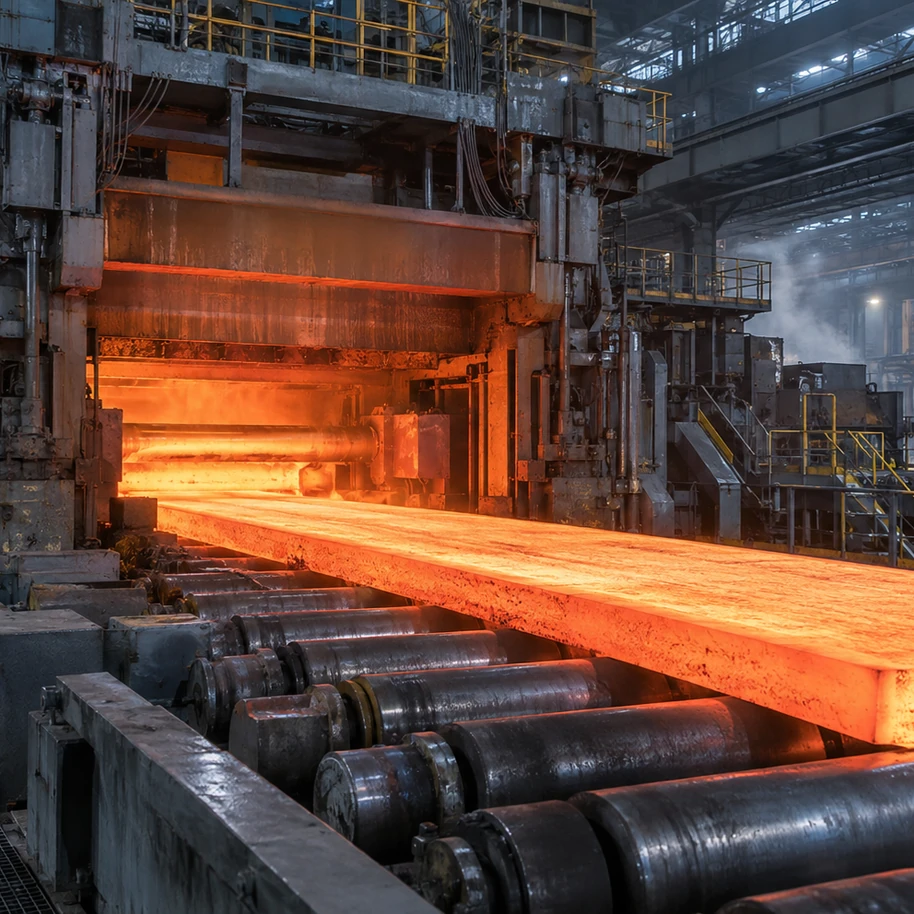
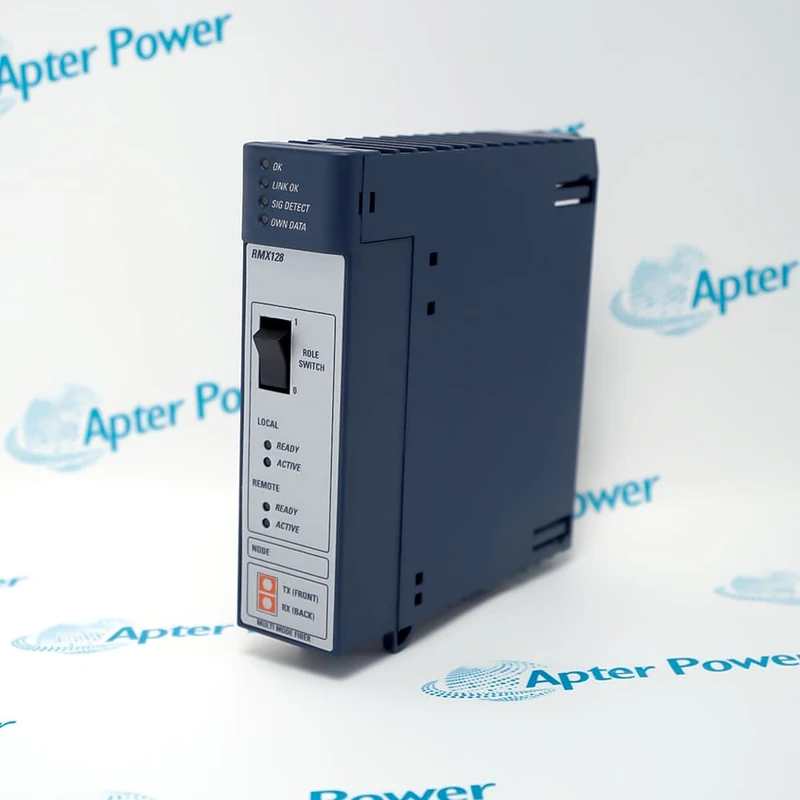
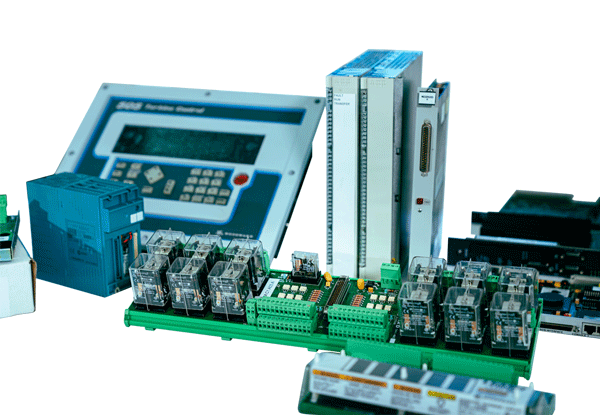
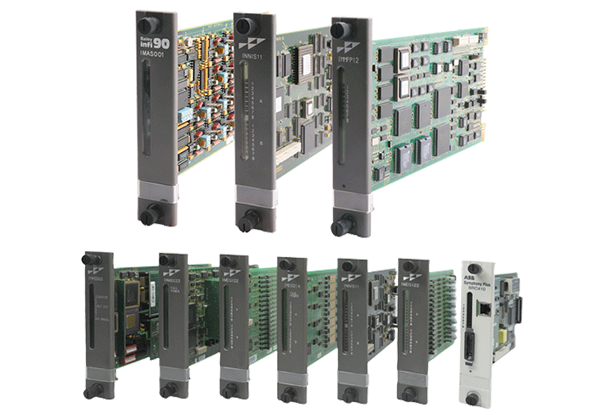
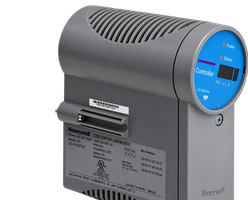
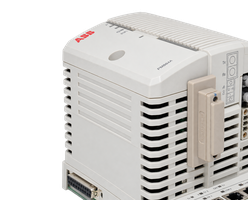
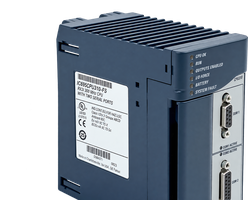
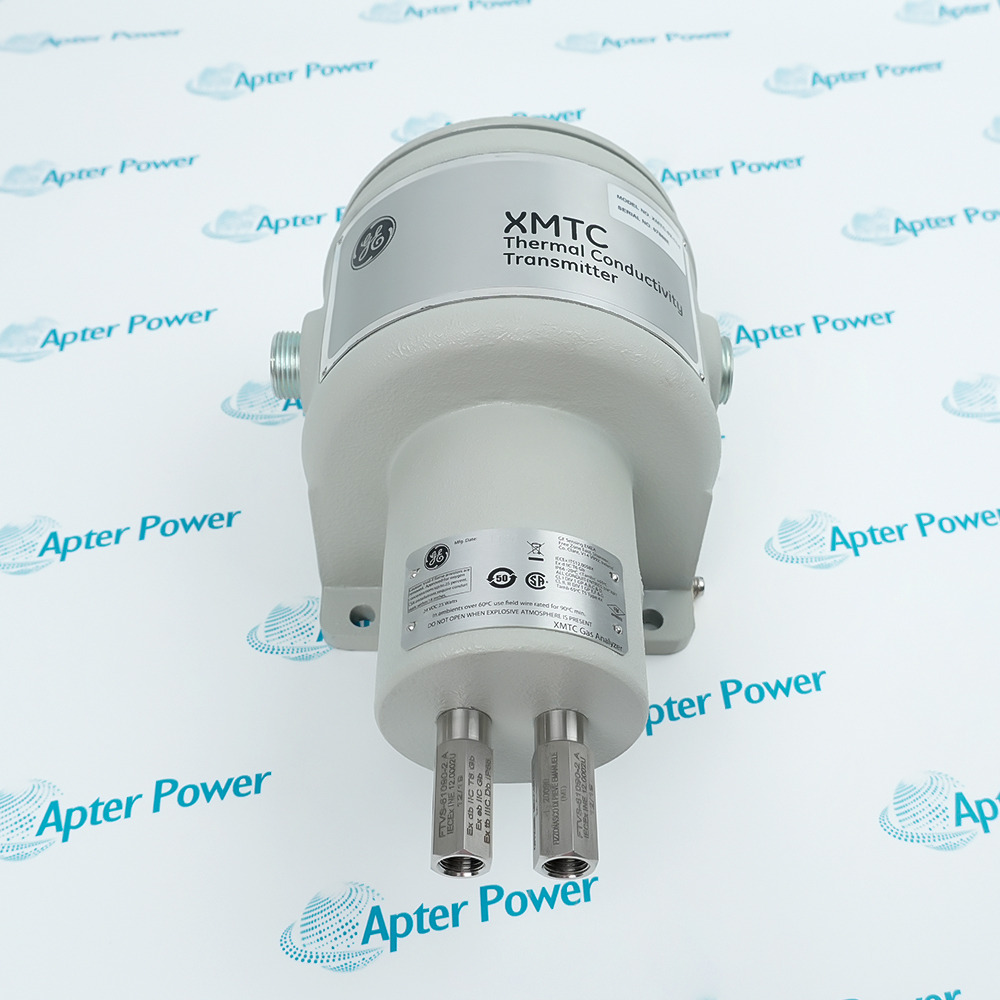
A steel or metal-processing site can contain several generations of drives, controllers and operator interfaces. The right starting point for sourcing is the equipment already installed on the line. Describe the mill area, machine and assembly before comparing supply options. Apter Power can help review the commercial parts enquiry while your plant team assesses the hardware for its intended duty.
Distinguish the production stage before selecting the part.
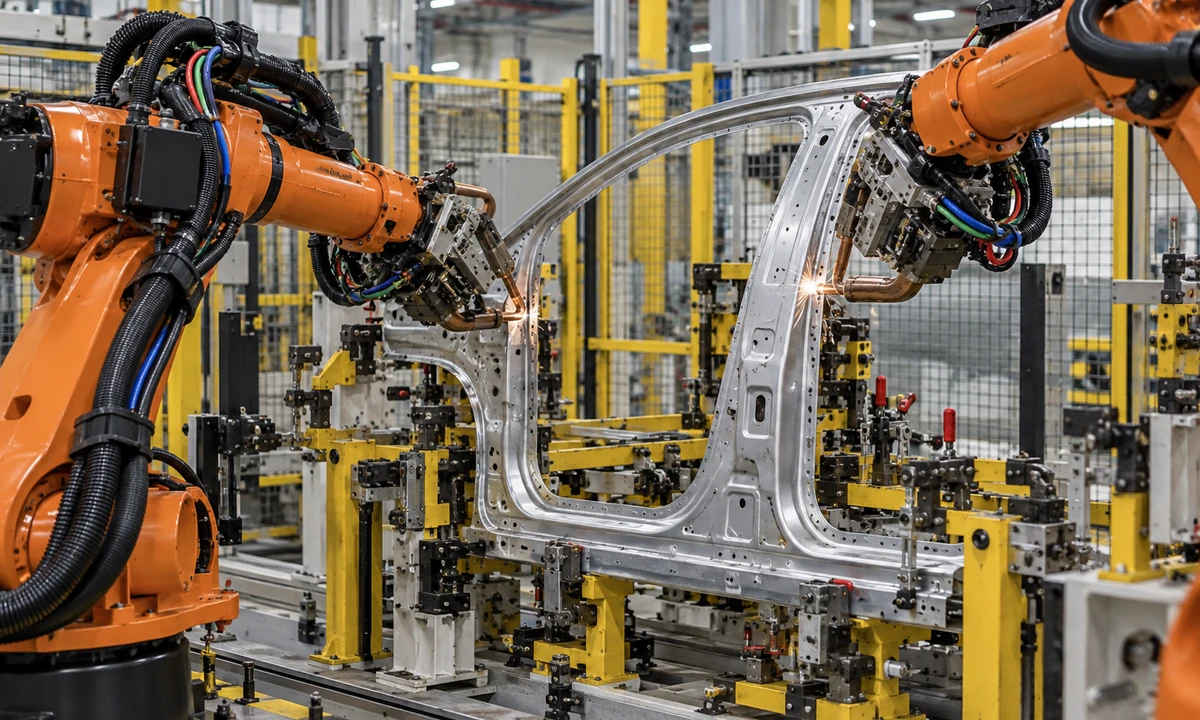
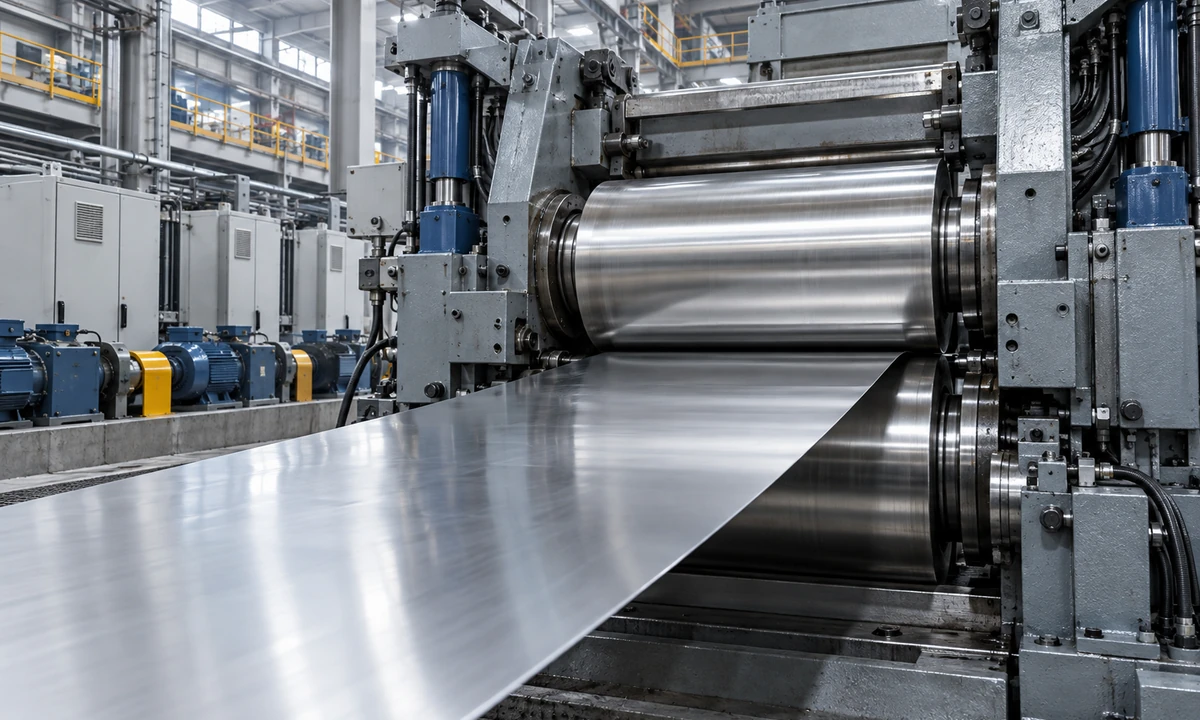
Identify whether the requirement belongs to material handling, rolling, forming or finishing equipment. Add the machine designation and panel reference to keep similar components from different line areas separate.
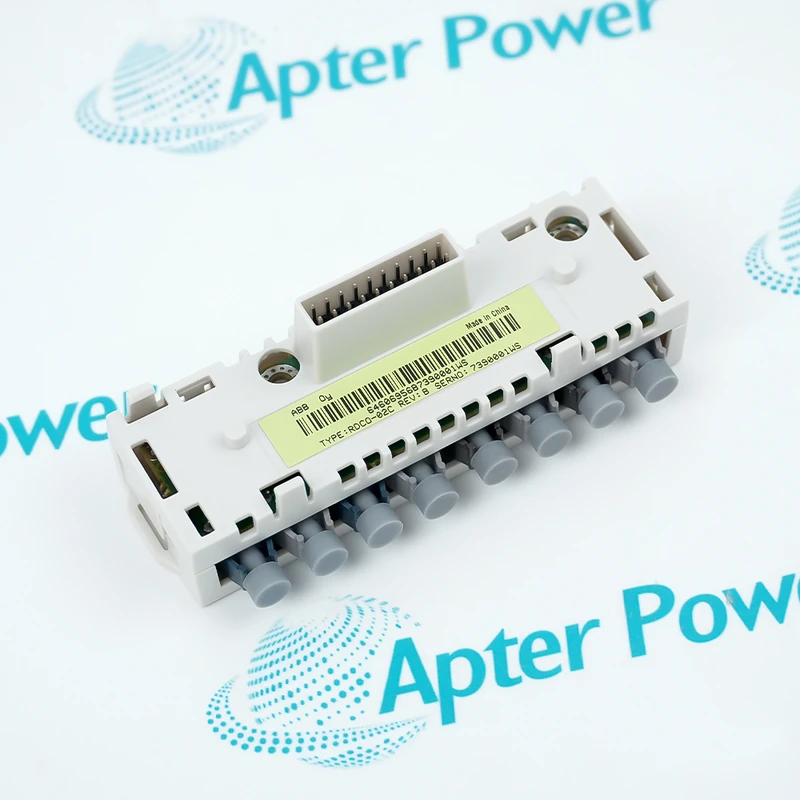
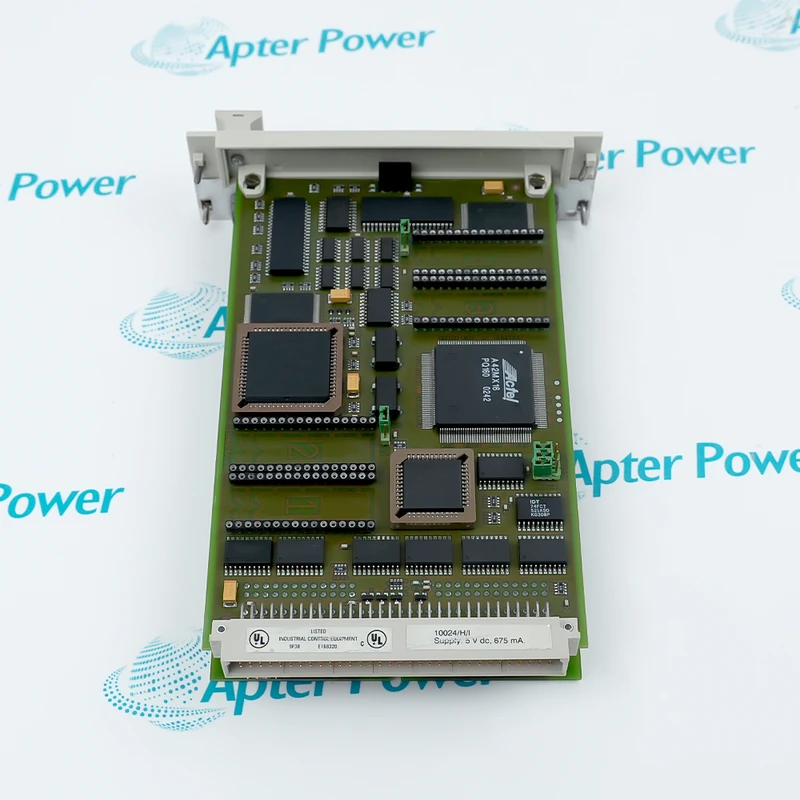
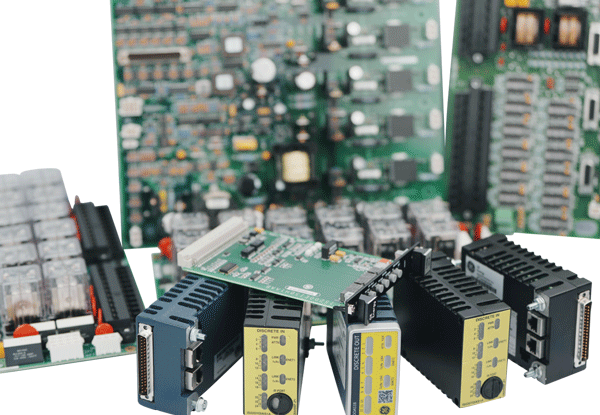
For drive electronics, retain the complete drive model and board reference, including suffixes. For PLC and I/O hardware, capture the series, revision and terminal arrangement shown on the installed unit.
Describe the condition required and any accessories that must accompany the assembly. The quotation should make those boundaries visible before the maintenance team prepares the work.
Browse by the maker named on the mill equipment.
Keep control cabinets, line components and drive-related requests tied to their own equipment records as you review these manufacturer ranges.
Production lines are often maintained and extended in stages. Two cabinets may therefore contain different control generations even within the same plant. Review the exact assembly and its connections against the machine records; a visually similar board is not enough to establish suitability.
Mark the items required for active maintenance separately from the assemblies being considered for stores. Note the affected line, required quantity and decision deadline to keep the sourcing discussion focused.