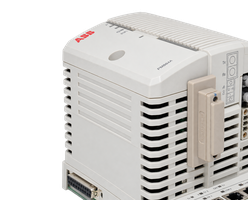
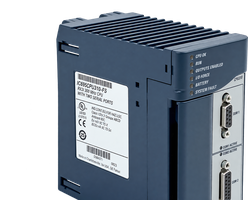
ABB BRC400 and DSMB178: Reuse Part History, Recheck the Offer
Keep separate requirement records for ABB BRC400 and DSMB178 so repeat enquiries retain useful technical history. Before each new order, confirm the actual offered unit, condition, availability and delivery terms again.
Focus
Repeat purchasing preparation
Reference
ABB BRC400
Reference
ABB DSMB178
Reusable information
Accepted technical requirements
Refresh each order
Availability and supply terms
01
Keep useful requirement history
Store full references, relevant revisions and the basis of technical acceptance.
02
Refresh the commercial offer
A previous purchase does not establish today's stock, condition, price or dispatch date.
03
Plan demand deliberately
Separate expected future needs from a confirmed purchase or reserved inventory.
Why Past Orders Need a Structured Record
An old invoice can identify a model without preserving the technical questions resolved during the purchase. Keeping the accepted requirement, relevant labels and decision history makes the next enquiry easier to prepare. The record should also show which information can be reused and which supply conditions must be checked again.
A Separate Repeat-Purchase Record for Each ABB Reference
ABB BRC400 and ABB DSMB178 are separate spare-parts references in this guide. Keep an individual record for each, including the intended equipment, full identification and relevant acceptance requirements. Do not infer that the two products form a matched set. When the equipment or requirement changes, ask the technical owner to review the record before reusing it.
Technical history
Retain the full reference, relevant revision information and the accepted requirement for each spare.
Current offer
Reconfirm the actual offered unit, condition, quantity available and release conditions for each new order.
Demand planning
Distinguish forecast demand, an approved purchase request and any explicitly agreed stock reservation.
Prepare a Reusable Spare-Parts Record
01 / Capture
Collect the useful technical history
Keep the complete reference, relevant labels and the basis for accepting the part for its intended equipment.
02 / Separate
Give each spare its own record
Store BRC400 and DSMB178 requirements independently, with the responsible technical contact.
03 / Review
Check whether the requirement changed
Before a repeat enquiry, confirm that the equipment and relevant acceptance conditions still apply.
04 / Refresh
Obtain a current supply offer
Request current availability, actual-unit information, condition, price, dispatch conditions and applicable support terms.
05 / Plan
Distinguish future demand from an order
Use expected maintenance needs to discuss a supply plan. Record any reservation only when its quantity and conditions are explicitly agreed.
06 / Maintain
Update the record after receiving
Compare the delivered item with the approved offer and retain useful identification and issue history for the next enquiry.
A Better Starting Point for the Next Enquiry
A repeat-purchase record should preserve the labels and technical decisions worth reusing. Pair that history with a fresh offer so current availability, condition and release terms are checked for the new order.
Reuse the requirement history; refresh the offer for each purchase.
A past order or a forecast does not reserve current stock.
Three questions for repeat purchasing
Correct spare
Can I reuse the previous requirement?
Use the accepted history as a starting point, then confirm with the technical owner that the equipment and relevant conditions remain the same.
Delivery planning
Does a previous purchase mean stock is available?
No. Obtain current availability and dispatch conditions for the new enquiry. Treat a reservation as valid only within its expressly agreed scope.
Responsibility
Who keeps the record and follows a new issue?
Assign an owner to maintain the requirement history and a named contact for the new order. Link any issue to that order and the actual received unit.
Records to Keep
Accepted requirement
Full reference and relevant technical acceptance information.
Equipment context
The intended equipment and responsible technical contact.
Prior identification
Useful labels and receiving information from earlier purchases.
Current quotation
Actual offered unit, condition, availability and release terms.
Demand or reservation
Forecast needs and any separately agreed reservation conditions.
New receiving record
Identification, discrepancies and useful updates for future enquiries.
A previous successful purchase is useful history, not a substitute for checking the next offered unit.
Send the full references, useful previous labels and your new quantity and required arrival date. Note any changes to the equipment or technical requirements.