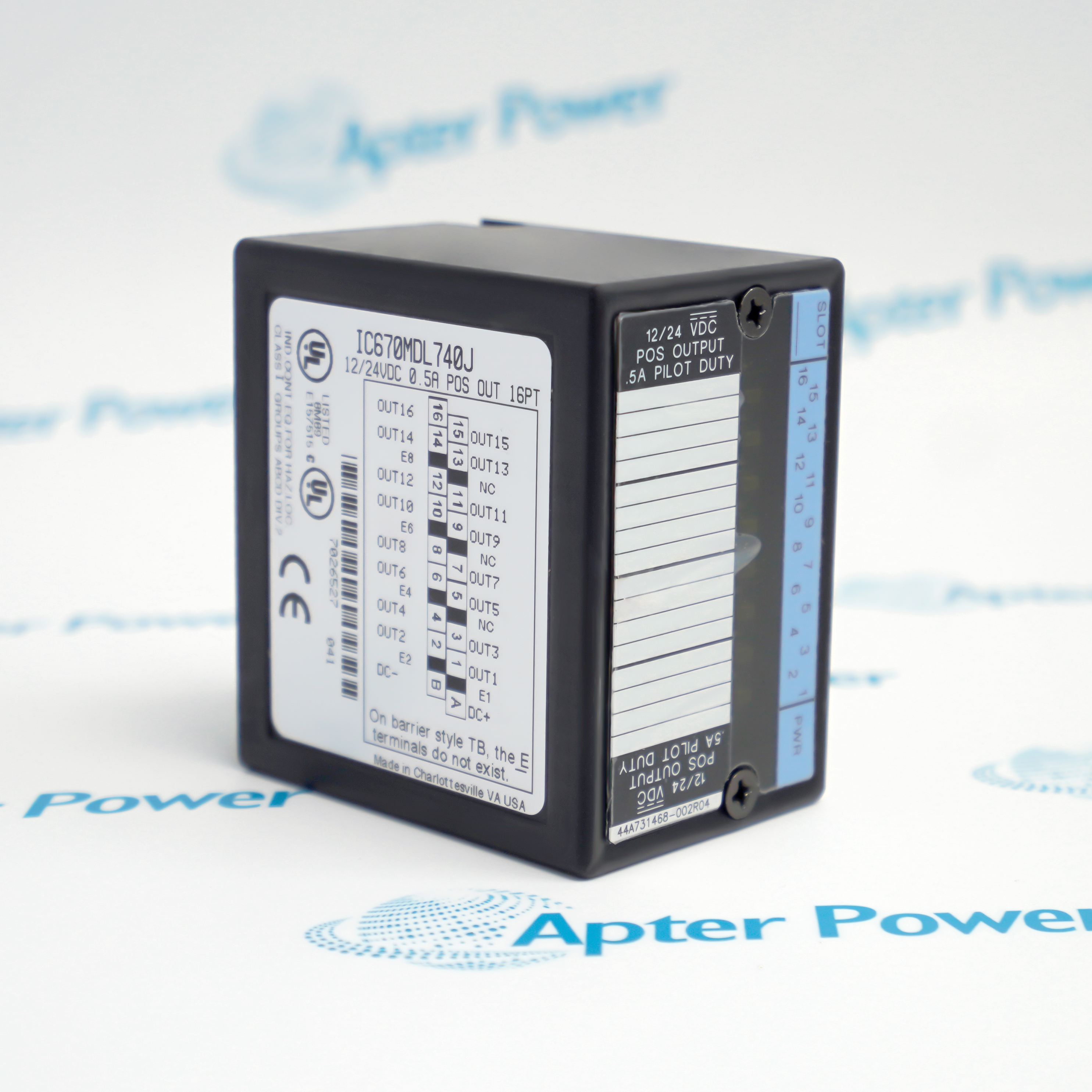
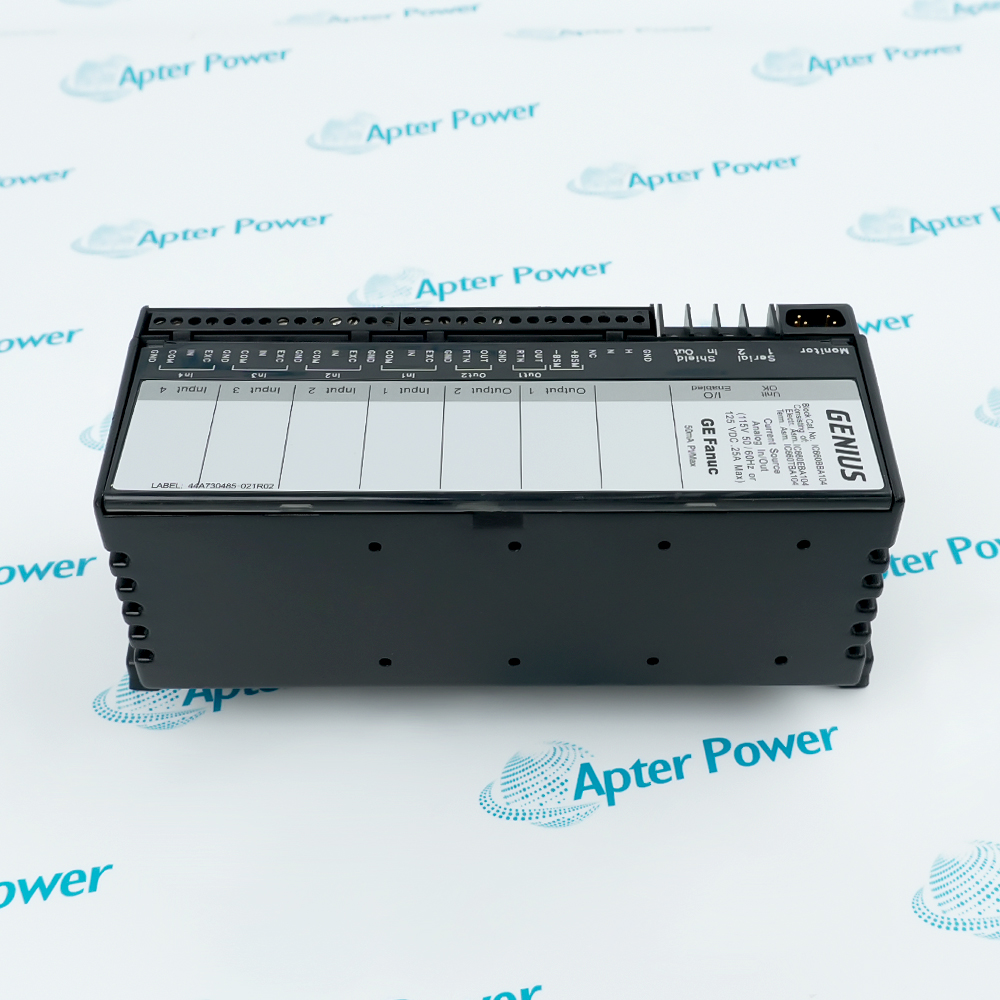

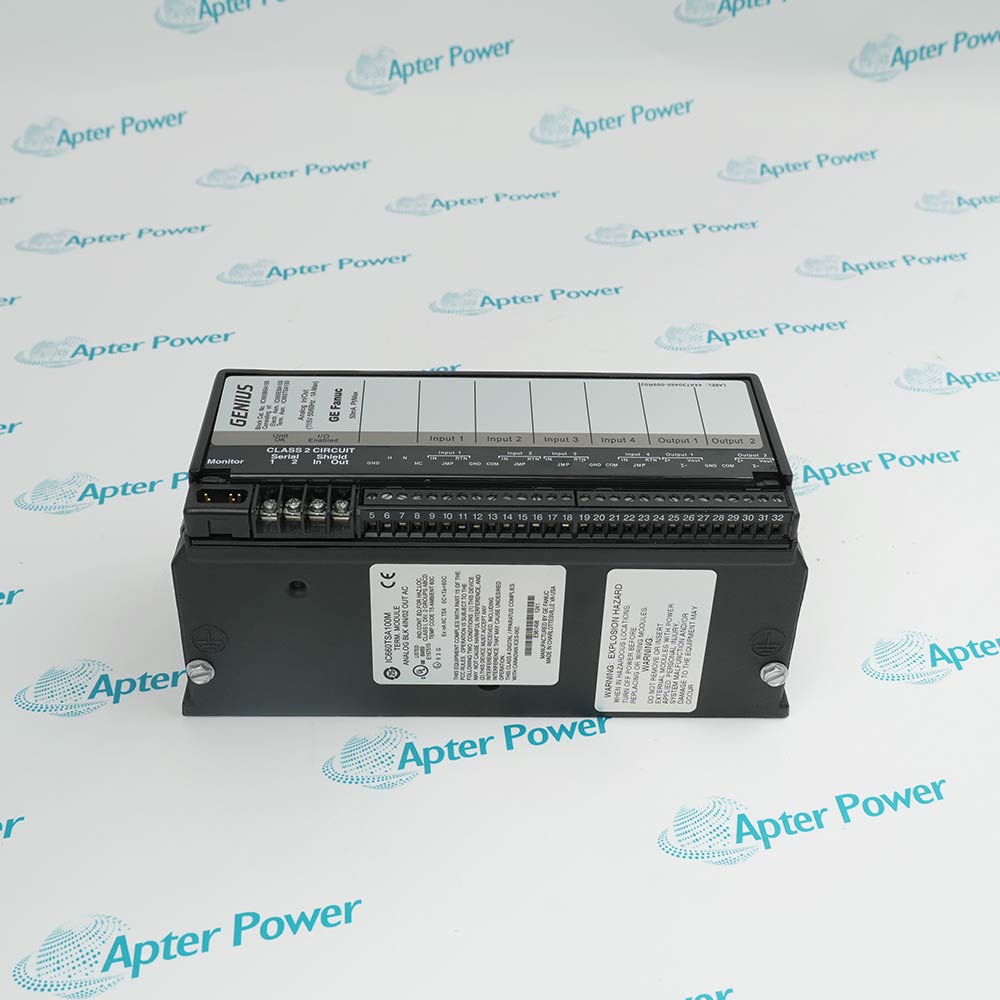


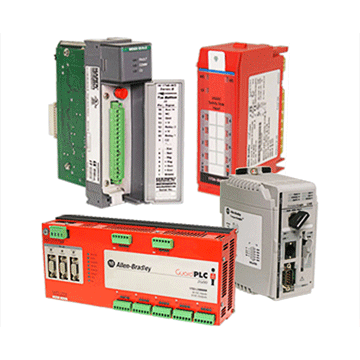
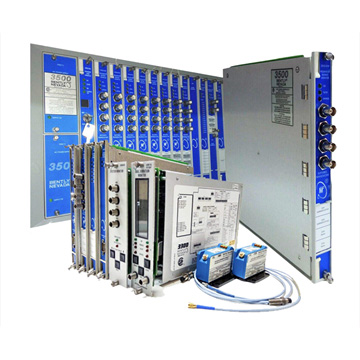
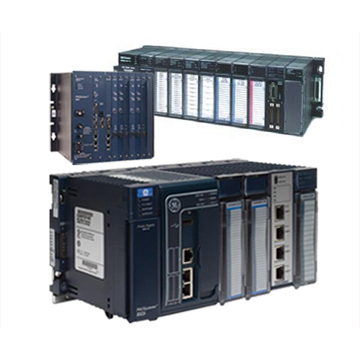
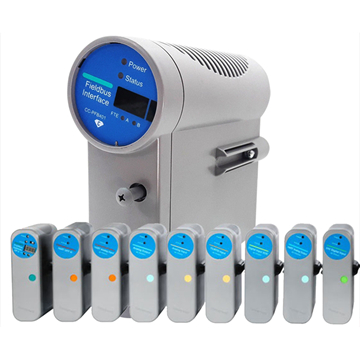


With more than 30.000 high-quality spare parts, they can be sold immediately. Our large inventory allows us to quickly meet customer needs, thereby reducing downtime and protecting production schedules. Our timely delivery time provides you with security and save money.
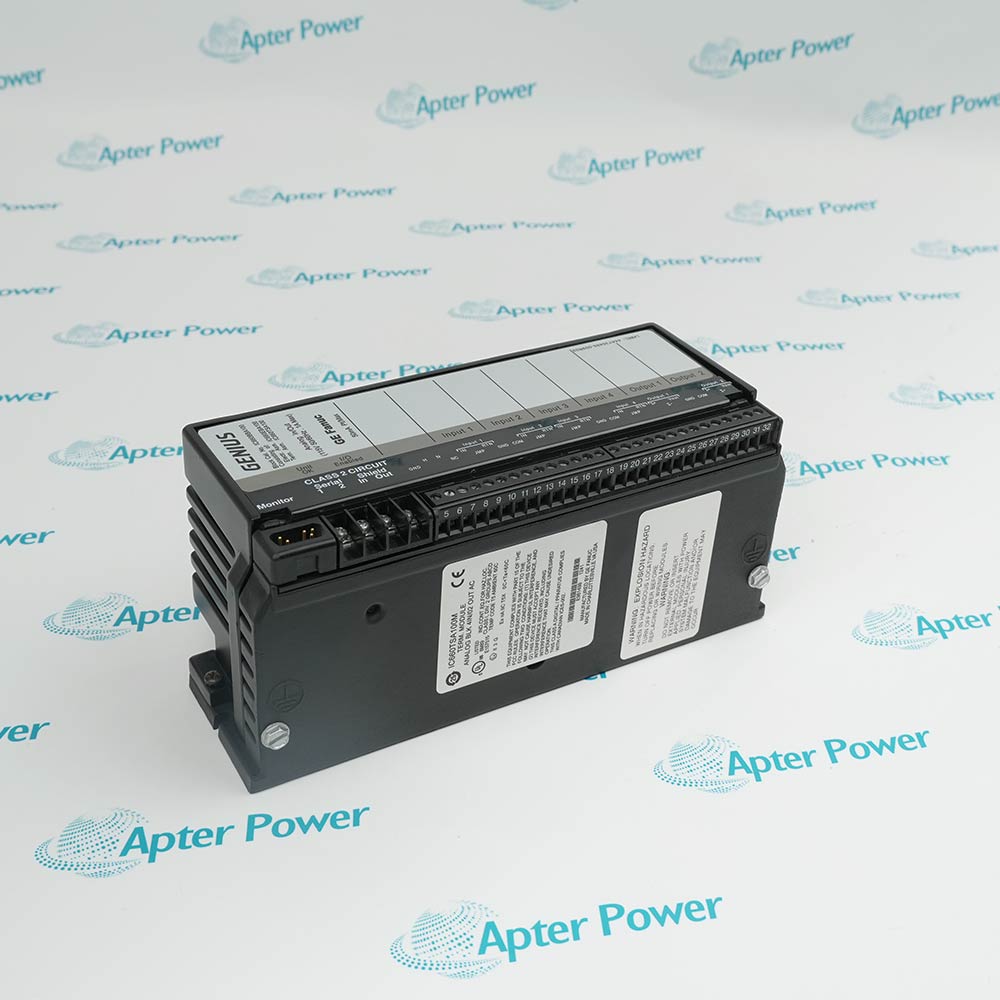
The Open Wire diagnostic occurs when there is insufficient current flow through the RTD input circuit, typically because the RTD is disconnected, faulty, or missing. This What does the Open Wire diagnostic indicate? The Open Wire diagnostic occurs when there is insufficient current flow through the RTD input circuit, typically because the RTD is disconnected, faulty, or missing. This alert helps prevent inaccurate readings by notifying you of broken or missing connections. What is the Overrange diagnostic, and how does it work? The Overrange diagnostic is triggered when the input temperature exceeds the maximum allowed value for the connected RTD. The acceptable upper limits depend on the type of RTD in use (e.g.. platinum, nickel). When Overrange occurs, the block reports this fault and may substitute a predefined maximum value for the input temperature reading. What causes the Underrange diagnostic? The Underrange diagnostic is triggered when the input temperature falls below the minimum supported value for the RTD. This can indicate a fault in the RTD or wiring. Instead of reporting the actual temperature value, the block uses a predefined Underrange value to represent the fault.
What is the Overrange diagnostic, and how does it work?
The Overrange diagnostic is triggered when the input temperature exceeds the maximum allowed value for the connected RTD. The acceptable upper limits depend on the type of RTD in use (e.g.. platinum, nickel). When Overrange occurs, the block reports this fault and may substitute a predefined maximum value for the input What does the Open Wire diagnostic indicate? The Open Wire diagnostic occurs when there is insufficient current flow through the RTD input circuit, typically because the RTD is disconnected, faulty, or missing. This alert helps prevent inaccurate readings by notifying you of broken or missing connections. What is the Overrange diagnostic, and how does it work? The Overrange diagnostic is triggered when the input temperature exceeds the maximum allowed value for the connected RTD. The acceptable upper limits depend on the type of RTD in use (e.g.. platinum, nickel). When Overrange occurs, the block reports this fault and may substitute a predefined maximum value for the input temperature reading. What causes the Underrange diagnostic? The Underrange diagnostic is triggered when the input temperature falls below the minimum supported value for the RTD. This can indicate a fault in the RTD or wiring. Instead of reporting the actual temperature value, the block uses a predefined Underrange value to represent the fault.
What causes the Underrange diagnostic?
The Underrange diagnostic is triggered when the input temperature falls below the minimum supported value for the RTD. This can indicate a fault in the RTD or wiring. Instead of reporting the actual temperature value, the block uses a predefined Underrange value to represent the fault.
Trusted by 5,000+ plants worldwide | Backed by our vast inventory of top-tier control parts, modules and cards, fast shipments are dispatched to cover your urgent needs. ABOUT US >>
Disclaimer: We are not an authorized distributor or distributor of the product manufacturer of this website, The product may have older date codes or be an older series than that available direct from the factory or authorized dealers. Because our company is not an authorized distributor of this product, the Original Manufacturer`s warranty does not apply.While many DCS PLC products will have firmware already installed, Our company makes no representation as to whether a DSC PLC product will or will not have firmware and, if it does have firmware, whether the firmware is the revision level that you need for your application. Our company also makes no representations as to your ability or right to download or otherwise obtain firmware for the product from our company, its distributors, or any other source. Our company also makes no representations as to your right to install any such firmware on the product. Our company will not obtain or supply firmware on your behalf. It is your obligation to comply with the terms of any End-User License Agreement or similar document related to obtaining or installing firmware.