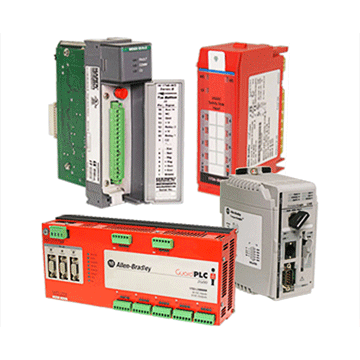
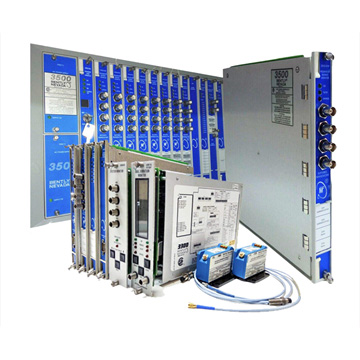
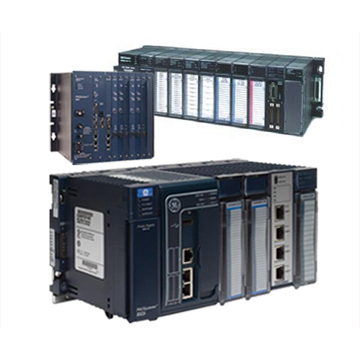
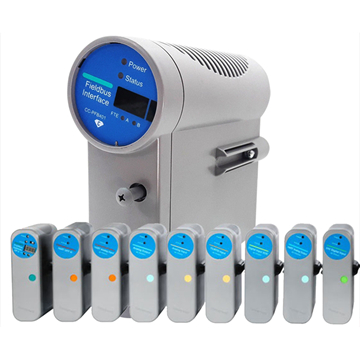
With more than 30.000 high-quality spare parts, they can be sold immediately. Our large inventory allows us to quickly meet customer needs, thereby reducing downtime and protecting production schedules. Our timely delivery time provides you with security and save money.
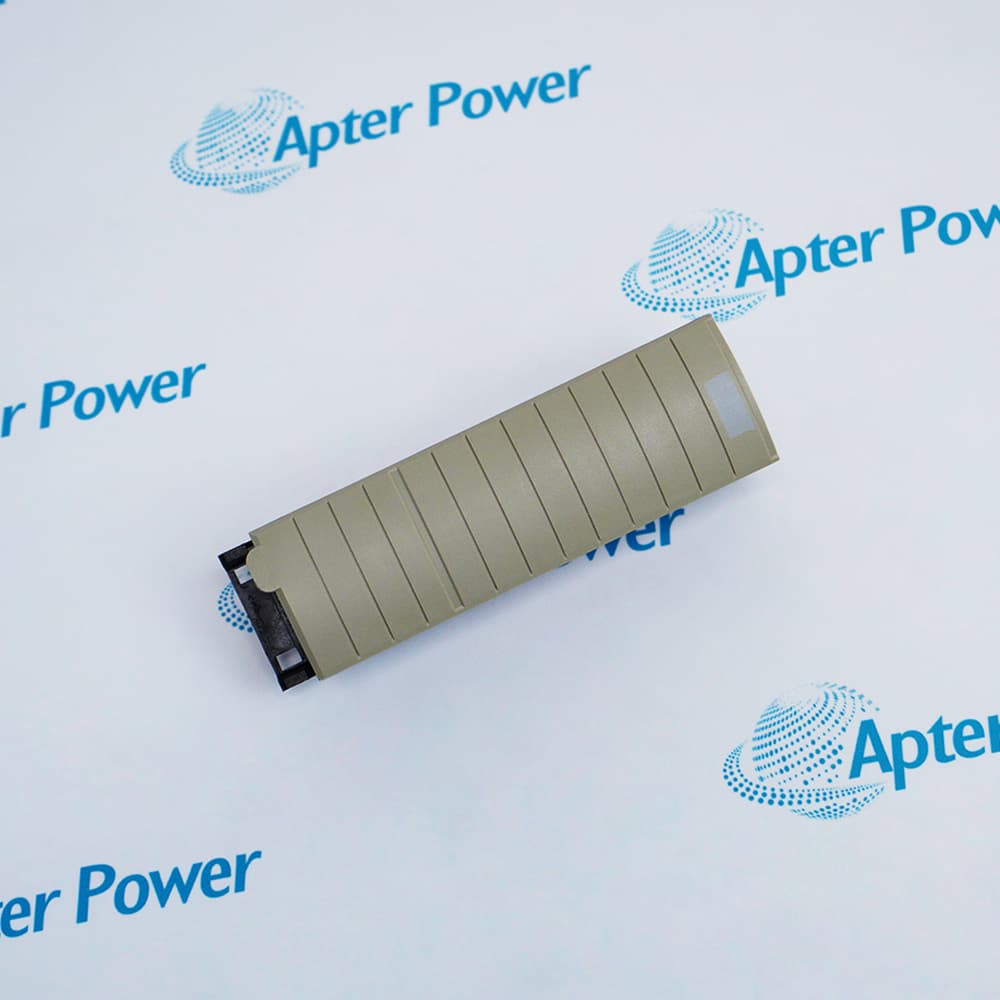
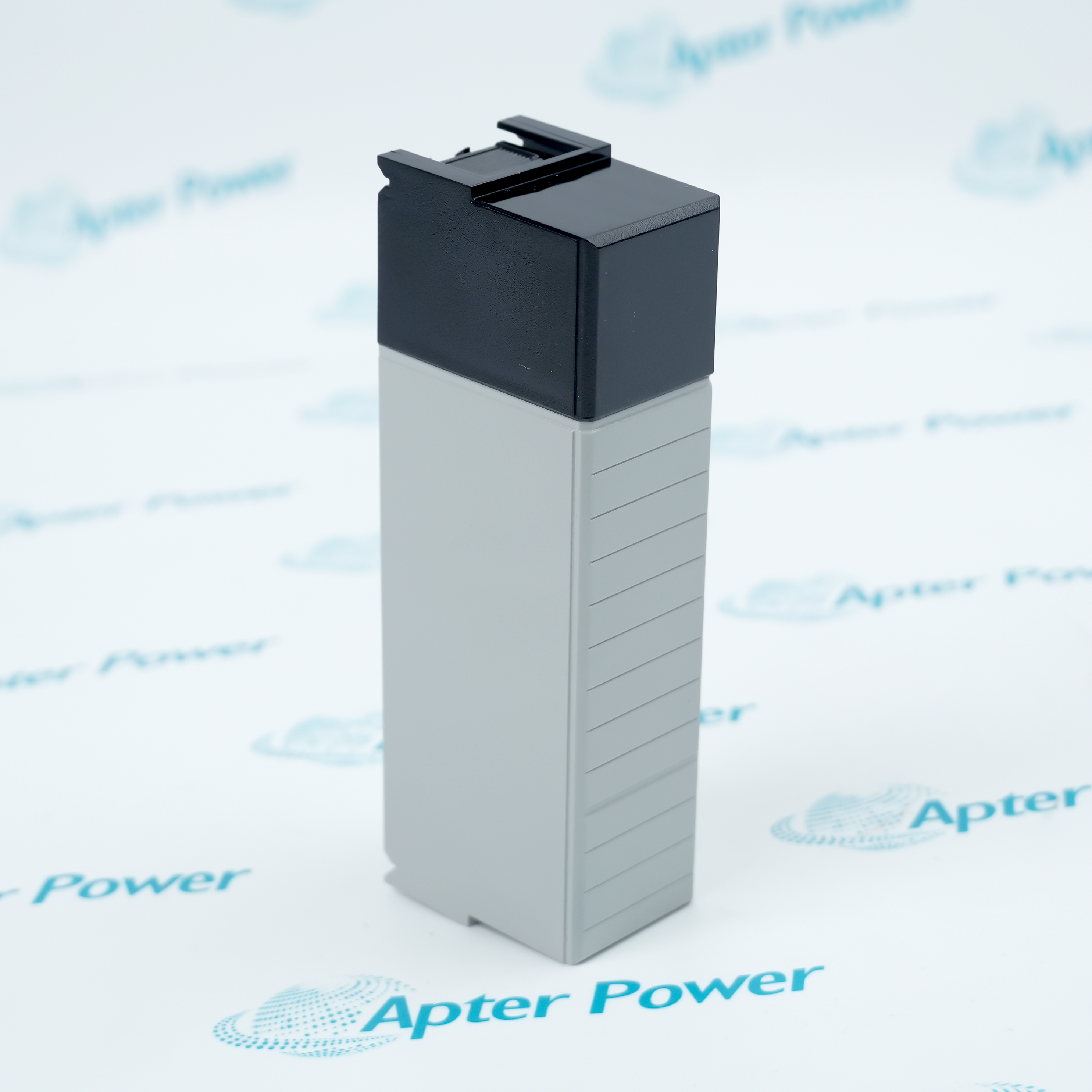
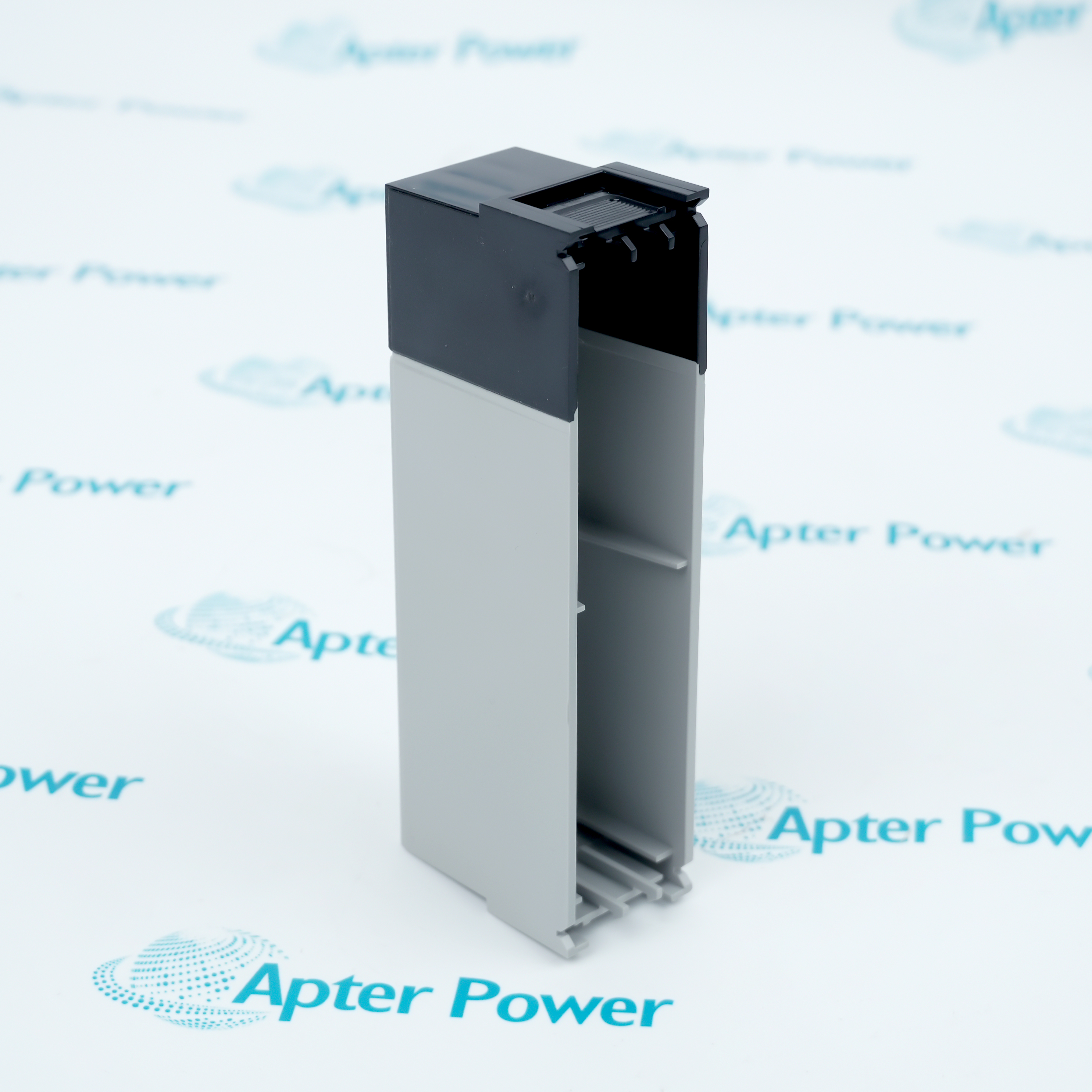
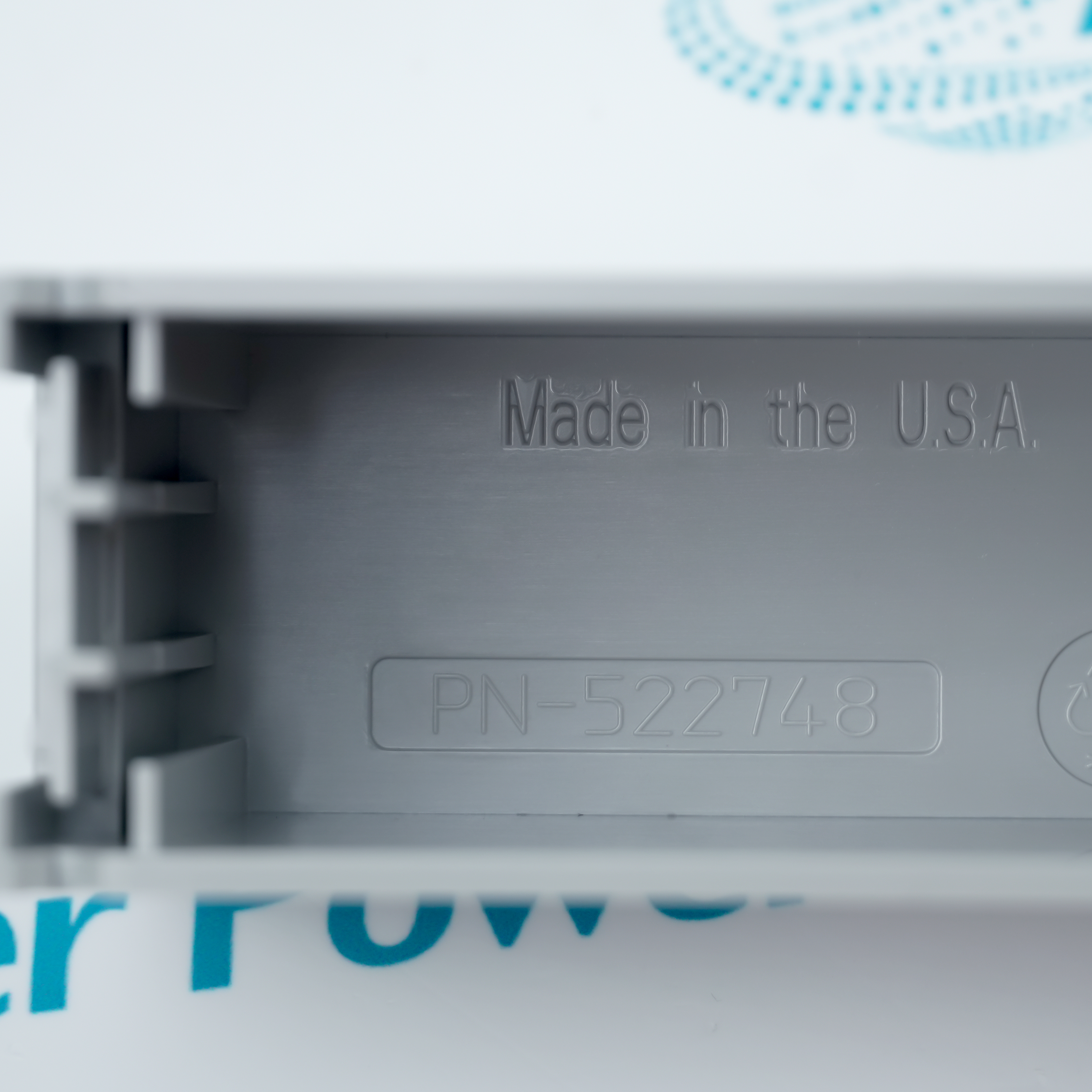
The 1756-N2 is a slot filler assembly within the Allen-Bradley Logix controller platform, containing two individual single-slot width modules per package. This hardware occupies vacant slots inside a ControlLogix chassis to isolate exposed backplane circuitry and prevent external contaminants. Electrically, the module does not draw any current from the chassis backplane.
High performance in an easy-to-use environment
Perform standard and safety control in the same chassis for a truly integrated system
Leverage the high-availability and extreme environment capabilities to meet your application needs
The 1756-N2 acts as the primary physical containment barrier engineered to maintain the environmental integrity of exposed backplane circuitries within the ControlLogix chassis. It is deployed as a critical defensive component in installation locations characterized by high levels of airborne dust particles, non-conductive soot, or small conductive contaminants that could physically stick to the exposed gold-finger connectors of the passive backplane.
By completely sealing the front face of unoccupied slot lanes, the 1756-N2 establishes an additional layer of localized physical protection against the migration of industrial gases, ambient vapors, and corrosive atmospheric pollutants toward the delicate internal bus connections.
Concurrently, the mechanical profile of this empty slot cover assists in the thermal management of the control panel by optimizing internal enclosure airflow dynamics. Eliminating empty slots prevents cooling cross-breezes generated by cabinet fans from venting uselessly through vacant chassis apertures, thereby forcing the thermal convection currents to route effectively across adjacent high-power energized processors and network cards to optimize cooling efficiency.
This non-powered protective hardware maintains structural stability and material performance characteristics across an ambient operating temperature range of 0 to +60 degrees Celsius (32 to 140 degrees Fahrenheit) and tolerates non-operating storage temperatures from -25 to +60 degrees Celsius (-13 to 140 degrees Fahrenheit).
Important Notice: Other accessories, manuals, cables, calibration data, software, etc. are not included with this equipment unless listed in the above stock item description.
Allen Bradley 1756-N2 EMPTY SLOT COVER Manuals, Datasheets, Drivers, Link
Important Notice: Other accessories, manuals, cables, calibration data, software, etc. are not included with this equipment unless listed in the above stock item description.
Metallurgical & Steel Industry
Used in primary control cabinets of blast furnace batching or hot rolling lines to block conductive metal dust from entering vacant slots, preventing backplane bus short circuits.
Cement & Building Materials Industry
Used in distributed chassis of clinker rotary kiln and raw meal mill control systems to isolate high concentrations of airborne dust, preventing poor pin contact on the backplane.
Thermal Power Generation & Heating Industry
Used in coal handling, boiler auxiliaries, and slag removal control cabinets to protect vacant slots reserved for future expansion, isolating electrical interference caused by high temperatures and coal dust.
Petrochemical & Refining Industry
Used in field control room chassis of oil refineries or ethylene plants, working with sealed enclosures to block trace corrosive gases and protect the plating of unpopulated slots from oxidation.
Mining & Mineral Processing Industry
Used in large underground hoists, crushers, and coal preparation plant control stations to prevent foreign contaminant intrusion into unused backplane interfaces under damp, mud-splatter, and high-vibration environments.
Lithium Battery & New Energy Manufacturing
Used in cell coating, winding, and formation/grading line control enclosures to prevent tiny metal shavings or electrode dust generated during production from falling into unused backplanes and causing circuit faults.
When using the 1756-N2 empty slot cover, although it is a passive mechanical protector that supports online hot-swapping while the system is energized, it is essential to ensure that the top and bottom mechanical latches are completely locked onto the chassis rails during insertion to prevent the cover from loosening due to severe cabinet vibration.
In heavily contaminated or high-humidity environments, while it blocks the vast majority of foreign matter, the exposed backplane gold-finger connectors behind the vacant slot must be thoroughly cleaned with a professional non-conductive electronic cleaner and kept dry before snapping the cover into place, preventing any already attached conductive dust or moisture from being trapped inside and causing hidden cross-conduction short circuits.
The 1756-N2 is a single-slot width, completely passive slot filler module designed for Allen-Bradley ControlLogix PLC chassis. Containing no internal circuitry, backplane pins, or indicators, its current draw and power dissipation are rated at exactly zero. Using integrated top and bottom heavy-duty latches, it securely seals vacant slots to establish a physical barrier that prevents conductive dust, moisture, and debris from entering backplane connectors, eliminating the risk of short circuits. Concurrently, it optimizes cabinet airflow dynamics to improve the cooling efficiency of adjacent high-power modules. The module supports unrestricted hot-swapping with zero software configuration required and complies fully with Class I Div 2 and ATEX Zone 2 hazardous area regulations.
The 1756-N2 is a slot filler module (or dummy module) within the Rockwell Allen-Bradley ControlLogix automation platform. It is a completely passive plastic casing that contains no internal electronic circuitry.
How to use a product like the 1756-N2 in industrial fields?
Without requiring any special tools or external wiring, users simply slide and snap it directly into any unused, vacant slot of a ControlLogix chassis to physically cover and seal the exposed backplane connectors behind it.
Why is it necessary to use the 1756-N2 to cover empty slots?
It is primarily used to prevent industrial dust, conductive metal particles, or debris from falling into the chassis, safeguarding the entire control system by avoiding short circuits or poor contact caused by contaminants sticking to the backplane connectors.
Does the 1756-N2 consume any backplane DC power or communication bandwidth?
Absolutely not. Since it is a purely passive mechanical component with no electrical connectors on its rear, its backplane current draw and power dissipation are completely zero.
Can the 1756-N2 be used in Siemens or other brands' PLC racks?
No. The 1756-N2 is specifically tailored to fit the physical slot form factor of the Rockwell ControlLogix 1756 series chassis, making it entirely incompatible with hardware racks from other PLC brands.
Trusted by 5,000+ plants worldwide | Backed by our vast inventory of top-tier control parts, modules and cards, fast shipments are dispatched to cover your urgent needs. ABOUT US >>
Disclaimer: We are not an authorized distributor or distributor of the product manufacturer of this website, The product may have older date codes or be an older series than that available direct from the factory or authorized dealers. Because our company is not an authorized distributor of this product, the Original Manufacturer`s warranty does not apply.While many DCS PLC products will have firmware already installed, Our company makes no representation as to whether a DSC PLC product will or will not have firmware and, if it does have firmware, whether the firmware is the revision level that you need for your application. Our company also makes no representations as to your ability or right to download or otherwise obtain firmware for the product from our company, its distributors, or any other source. Our company also makes no representations as to your right to install any such firmware on the product. Our company will not obtain or supply firmware on your behalf. It is your obligation to comply with the terms of any End-User License Agreement or similar document related to obtaining or installing firmware.