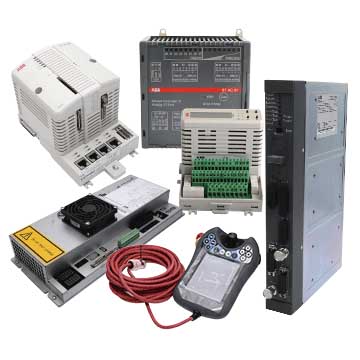
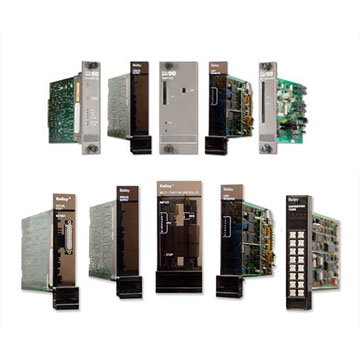
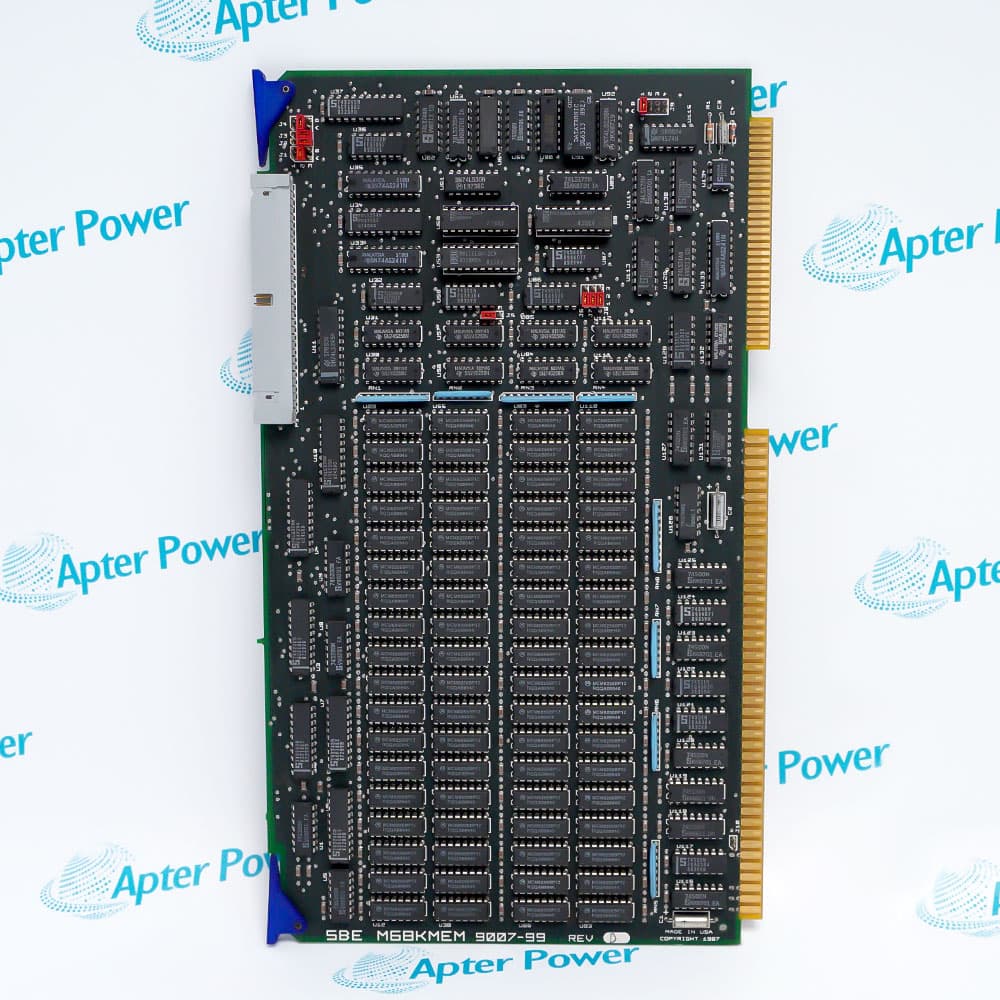
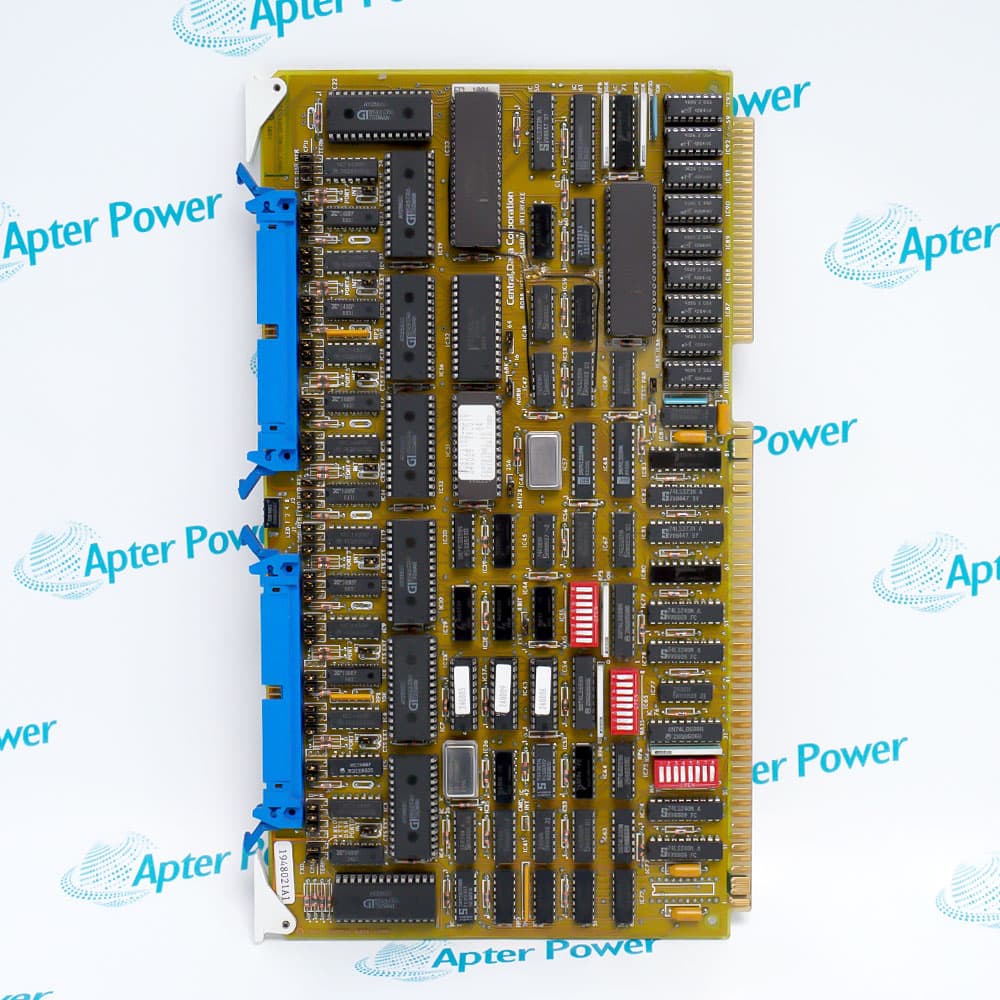
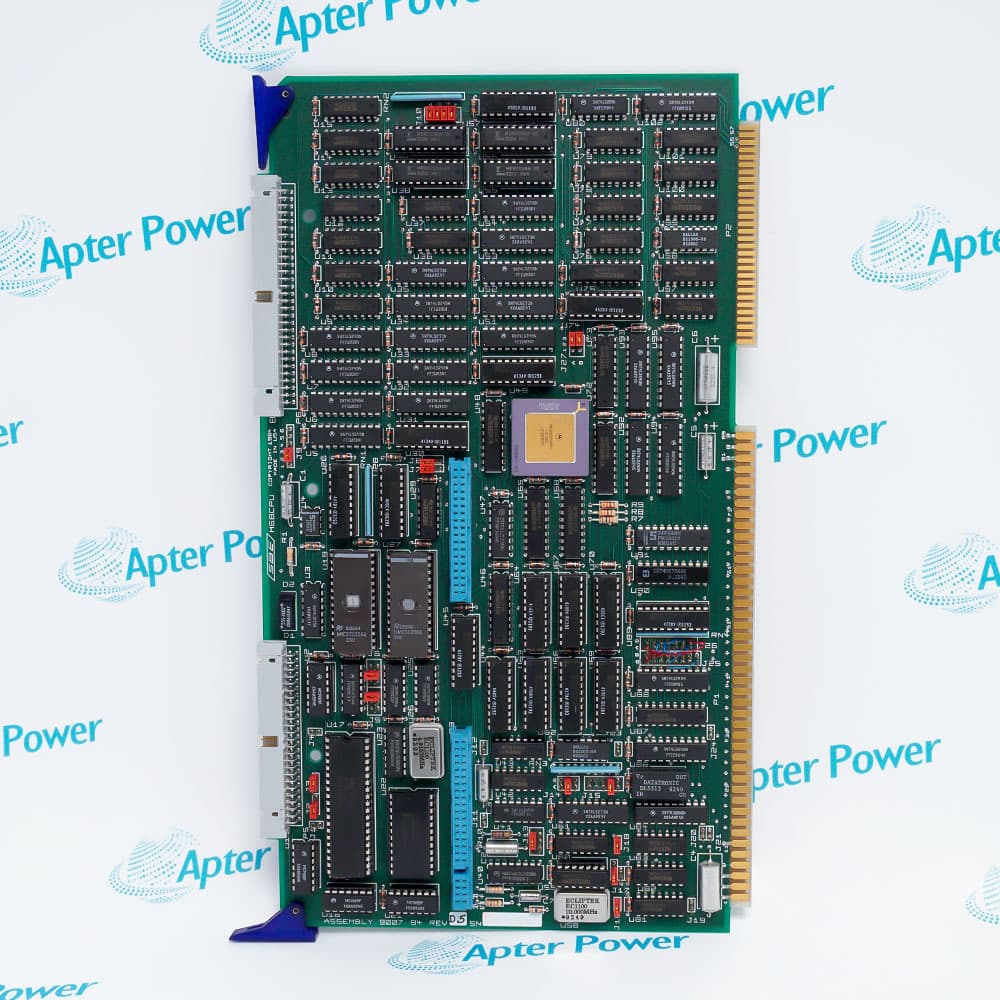
ABB IMASI23 is a Harmony rack analog input module identified in ABB rack I/O documentation for mixed process-signal acquisition. ABB lists current, voltage, millivolt, thermocouple, and resistance-temperature-detector inputs under this exact model, supporting its use as a universal input interface rather than a single-signal converter.
- Input channels: Up to 16
- Current input: 4-20 mA
- Voltage inputs: 0-5 VDC, 1-5 VDC, 0-10 VDC
- Millivolt input: 0-100 mVDC listed in the rack I/O overview
The module provides as many as 16 independently handled input channels. ABB's instruction covering the IMASI23 and SPASI23 versions describes isolated channels, dedicated analog-to-digital conversion, and 24-bit conversion architecture, with processing for calibration, engineering-unit conversion, lead-wire effects, and cold-junction compensation where applicable. IMASI23 operates in the ABB INFI 90/Harmony rack I/O architecture, where I/O modules condition field signals and communicate through the I/O expander bus. ABB evolution documentation associates the ASI03/13/23 function with NTAI06 termination in an Evolution Mounting Chassis migration arrangement; the exact installed termination, cable, function code, and controller revision must still be confirmed against the site drawing and module instruction. ABB documents SPASI23 as a fit/function replacement for IMASI23 and AI16ev as later ASI23 evolution hardware. Those relationships do not establish that the products share one order code or are identical hardware, so IMASI23 remains a separate canonical identity. Formal lifecycle, country of origin, customs code, weight, and dimensions are withheld pending exact ABB model-level evidence.
Important Notice: Verify the complete ABB IMASI23 nameplate and current project documentation before use.
Apter Power IMASI23 Manuals and Guides
Important Notice: The first link is the model-specific product-parameters PDF prepared only from the cited ABB official evidence; the second link is the Apter Power product information manual. Confirm the physical nameplate, current ABB documents, and host-system requirements before installation or replacement.
Process-transmitter acquisitionCollect 4-20 mA pressure, flow, level, or other transmitter signals where the engineered rack design assigns those loops to IMASI23.
Temperature measurementAcquire thermocouple or RTD measurements with the configured input type, cold-junction arrangement, and lead-wire design confirmed from ABB and site documentation.
Voltage and millivolt monitoringInterface supported voltage or millivolt signals in legacy INFI 90/Harmony rack I/O systems after range and grounding review.
Planned rack-I/O modernizationUse the documented IMASI23-to-SPASI23 or ASI23-to-AI16ev relationship as an engineering starting point, not as permission for an unreviewed swap.
Read and follow the exact ABB documentation and host-equipment instructions before work. Verify the complete physical nameplate and system configuration.
1Verify the exact IMASI23 nameplate, assembly revision, and installed date before replacement or configuration work.
2Check ABB field-alert applicability for modules manufactured from 2011-05-31 through 2015-06-30, including J18 and FPGA revision guidance, rather than assuming every unit is affected.
3Back up controller configuration, function codes, channel types, ranges, calibration data, and alarm settings before disturbing the module.
4Confirm the installed termination unit, cable, rack slot, expander-bus address, and controller compatibility from site drawings and the exact ABB instruction.
5Observe ABB electrostatic-discharge and powered-equipment service procedures; hot-removal capability does not eliminate process or personnel risk.
6Verify loop polarity, isolation, grounding, shielding, sensor type, and excitation or transmitter power before connection.
7Perform channel-by-channel loop checks and compare engineering-unit scaling after installation, replacement, or configuration changes.
8Do not treat SPASI23 or AI16ev as the same order code; follow the documented migration changes and power-sizing requirements.
9Do not publish origin, HS code, weight, dimensions, or formal lifecycle status from reseller or family-level data.


 Videos
 News
News Applications