In industrial and commercial power systems, the UPS, inverters, and protective relays usually get the spotlight. Yet in root-cause reviews of failures, it is often the humble connection technology that quietly determines whether a system rides through a disturbance or drops a critical load. Terminal blocks that loosen, PCB connectors that are mis-specified, or field plugs that do not match the installation environment can all erase the value of an otherwise well-designed UPS or power protection scheme.
Phoenix Contact has become a reference brand for connection technology inside control cabinets and field enclosures. The practical question for a power engineer or maintenance lead is not just what to specify, but where to buy these parts so availability, authenticity, and technical support line up with your reliability requirements. Drawing on Phoenix Contact’s own channel guidance and on multiple authorized distributor profiles, this article walks through how to source connection technology components intelligently for UPS, inverter, and power protection projects.
Why Phoenix Contact Connection Technology Matters in Power Systems
Phoenix Contact has been in the electrical connection business since 1923, when its predecessor in Essen began supplying contact wire clamps for electrical trams. According to historical overviews from industry sources, the company introduced one of the first modular terminal blocks in 1928, a design step that effectively created the modern DIN-rail terminal concept. Over the decades that followed, Phoenix Contact evolved into a leading supplier of electrical connection and automation technology, with a headquarters in Blomberg and a workforce of roughly 22,000 employees worldwide and more than 1,100 people in the United States, as summarized by Arrow’s manufacturer profile.
From a power-system perspective, several points matter more than the corporate biography. First, Phoenix Contact focuses specifically on products that connect, distribute, and control power and data flows in industrial environments. Graybar’s Phoenix Contact manufacturer description emphasizes that their devices are designed to power, protect, connect, and automate systems across machine building, electric power (including wind, solar, and transmission and distribution), automotive and factory automation, water and wastewater, intelligent transportation systems, railways, data centers, building automation, and process industries such as oil and gas and petrochemical. This broad industrial focus means their connection components are developed with harsh conditions, long lifetimes, and regulatory approvals in mind.
Second, Phoenix Contact’s connection technology is tested and certified extensively. Stecker Express, which markets a wide range of Phoenix Contact components, notes that all system and individual components are tested to high standards and certified for global market approval. For your UPS and power distribution projects, that matters because components like terminal blocks, PCB connectors, and surge protection devices often have to satisfy multiple standards at once, from insulation coordination in control panels to approvals for marine or offshore environments.
Third, Phoenix Contact invests heavily in sustainability and smart infrastructure. Arrow describes the company’s mission as empowering a smart and sustainable world, with key markets across energy, infrastructure, process industries, factory automation, and e-mobility. That focus shows up in the product portfolio, including connection technology tailored for renewable energy, EV charging, and building automation, alongside more traditional power and process sectors.
In practical terms, when you specify Phoenix Contact for the connection layer of a UPS or inverter installation, you are buying into an ecosystem that has been proven in applications ranging from metro tunnels and wind farms to water treatment and data centers. That does not mean any Phoenix Contact part is automatically right for your panel, but it does mean you can treat the brand as a safe baseline and focus your due diligence on selecting the right series and sourcing it through the right channel.
Imagine a mid-size data center retrofit with two parallel UPS modules and static transfer switches feeding dual power paths to your critical racks. Each UPS line-up may contain hundreds of terminations for DC strings, control signals, and auxiliary power. A single mis-specified terminal block series, or a gray-market shipment with inconsistent clamping performance, can turn a clean design into a chronic hotspot for nuisance trips or maintenance callouts. Using a high-quality connection platform like Phoenix Contact can reduce that risk, but only if the parts you receive are genuine and backed by the right support network.
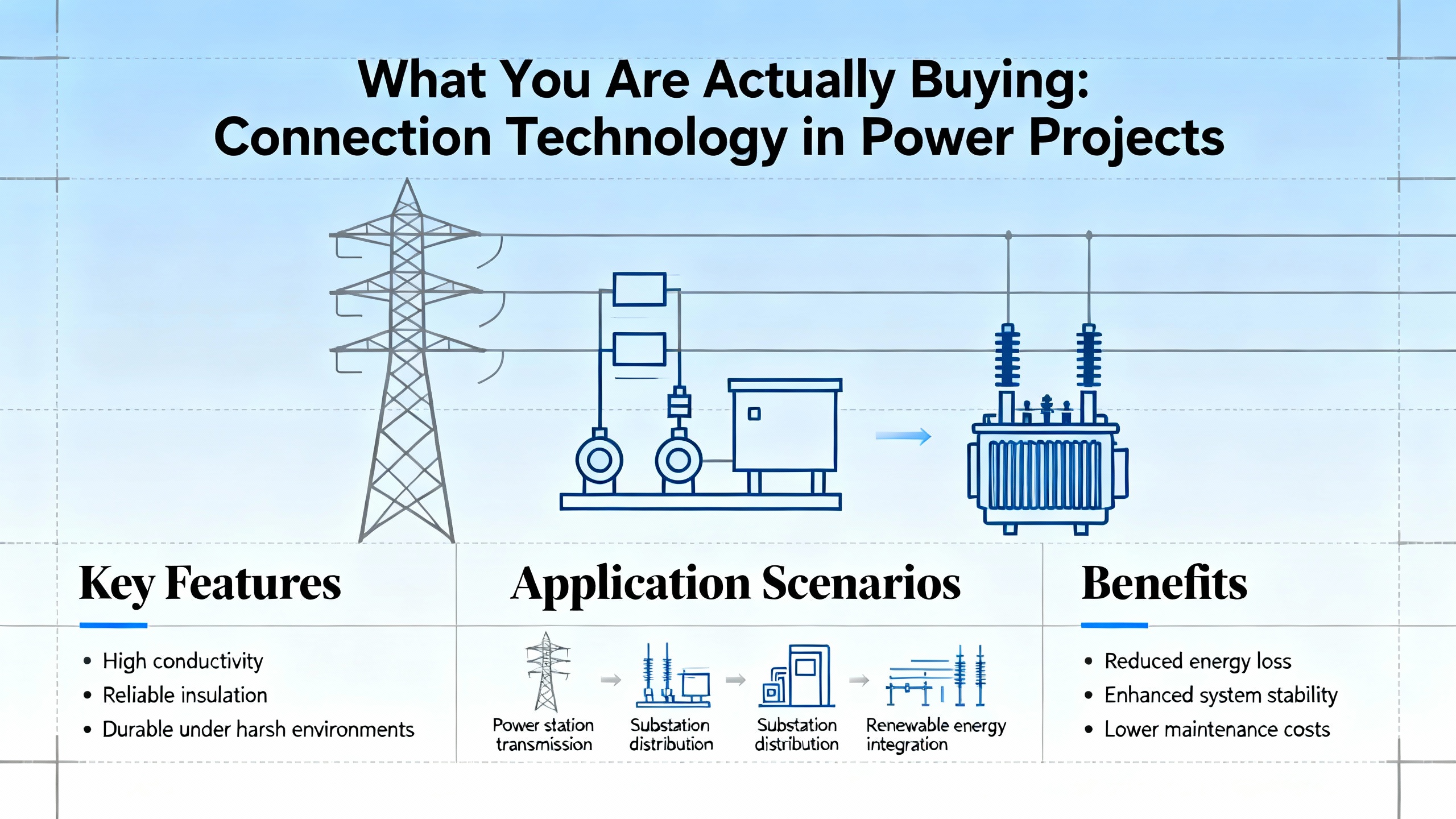
What You Are Actually Buying: Phoenix Contact Connection Technology in Power Projects
When engineers talk about “connection technology,” they often lump multiple component types together. Phoenix Contact’s portfolio, as described by Stecker Express, Controls Traders, and Graybar, spans several families that are directly relevant to UPS, inverter, and power protection systems.
The CLIPLINE Complete series is Phoenix Contact’s flagship modular terminal block platform. Stecker Express highlights this series for efficient, time-saving wiring in control cabinets, with accessories that support structured, clear labelling. The terminal blocks are designed for space-saving installation and robust grip, which is particularly useful in dense UPS control panels or DC distribution boards where vibration and thermal cycling can loosen lesser designs. For example, in a battery room panel distributing DC from multiple strings to a UPS input, CLIPLINE Complete blocks can provide compact, clearly marked terminations that integrate with standardized cross-connection accessories, reducing wiring time and future troubleshooting.
COMBICON is Phoenix Contact’s PCB connectivity platform. Stecker Express describes it as a family of PCB terminal blocks and circular connectors, including feed-through and multi-level terminal designs. COMBICON connectors are common on power supply and control boards where you need reliable plug-in connections for control wiring or low-voltage power. In UPS and inverter applications, you might encounter COMBICON-style connectors on interface PCBs for relay outputs, dry contacts, or communication ports. Specifying the correct mating connectors through an authorized distributor is crucial; mismatched or off-brand connectors can create intermittent contact or overheating at surprisingly low currents.
Beyond terminal blocks and PCB connectors, Phoenix Contact offers circular connectors and sensor/actuator cabling targeted at field installations. Stecker Express points out that this cabling is designed for durability and process reliability, and that it enables flexible assembly using different cable types. In power projects, these components show up in field wiring between switchboards, motor control centers, and distributed sensors such as temperature and pressure transducers used for transformer monitoring or cooling systems. Consistent use of Phoenix Contact sensor cabling, purchased through a recognized partner, helps standardize your field terminations and simplifies replacement or expansion.
Phoenix Contact also delivers housing and connection technology that allows you to package electronics in modular housings compatible with DIN-rail systems. Stecker Express notes that these housings support flexible design of compact electronic modules, which can be useful for custom UPS monitoring interfaces, load-shedding logic modules, or gateway devices in building automation systems tied into your power infrastructure. When sourced through a capable distributor or channel partner, you can standardize on a housing family and ensure long-term availability of both housings and the mating connectors.
On the power electronics side, Controls Traders highlights Phoenix Contact’s UNO-PS DIN-rail mount power supplies as compact and energy efficient, with models available at typical control voltages such as 12 V and 24 V and at power levels from about 30 W up to roughly 150 W. In a UPS or inverter switchboard, UNO-PS units often provide auxiliary power for relays, PLC input modules, communication devices, or monitoring systems—so buying them from an authorized source that can support lifecycle replacements is important for long-term reliability.
Isolation amplifiers and surge protection devices from Phoenix Contact, also noted by Controls Traders and other distributor profiles, play key roles in protecting measurement and control signals from high-energy events and ground potential differences. In a power system, they might sit between battery string monitors and SCADA inputs, or between outdoor switchgear sensors and indoor controllers. Since these devices are literally your last line of defense against transient mis-measurements, the sourcing path needs to guarantee that you are getting correctly rated, authentic devices rather than look-alikes.
Consider a simple example. A water treatment plant upgrades its medium-voltage switchgear and installs a new UPS-backed control system. The design calls for Phoenix Contact CLIPLINE terminal blocks, COMBICON PCB connectors on the new PLC I/O cards, UNO-PS auxiliaries, and sensor/actuator cabling back to various pump and valve locations. If the procurement team buys all of these through a single authorized distributor, the chance of incorrect substitutions or counterfeit parts is minimized, and the plant has one accountable partner to call if a field connector or terminal family needs to be supported ten years down the road.
How Phoenix Contact Routes Products to You: Understanding the Channel
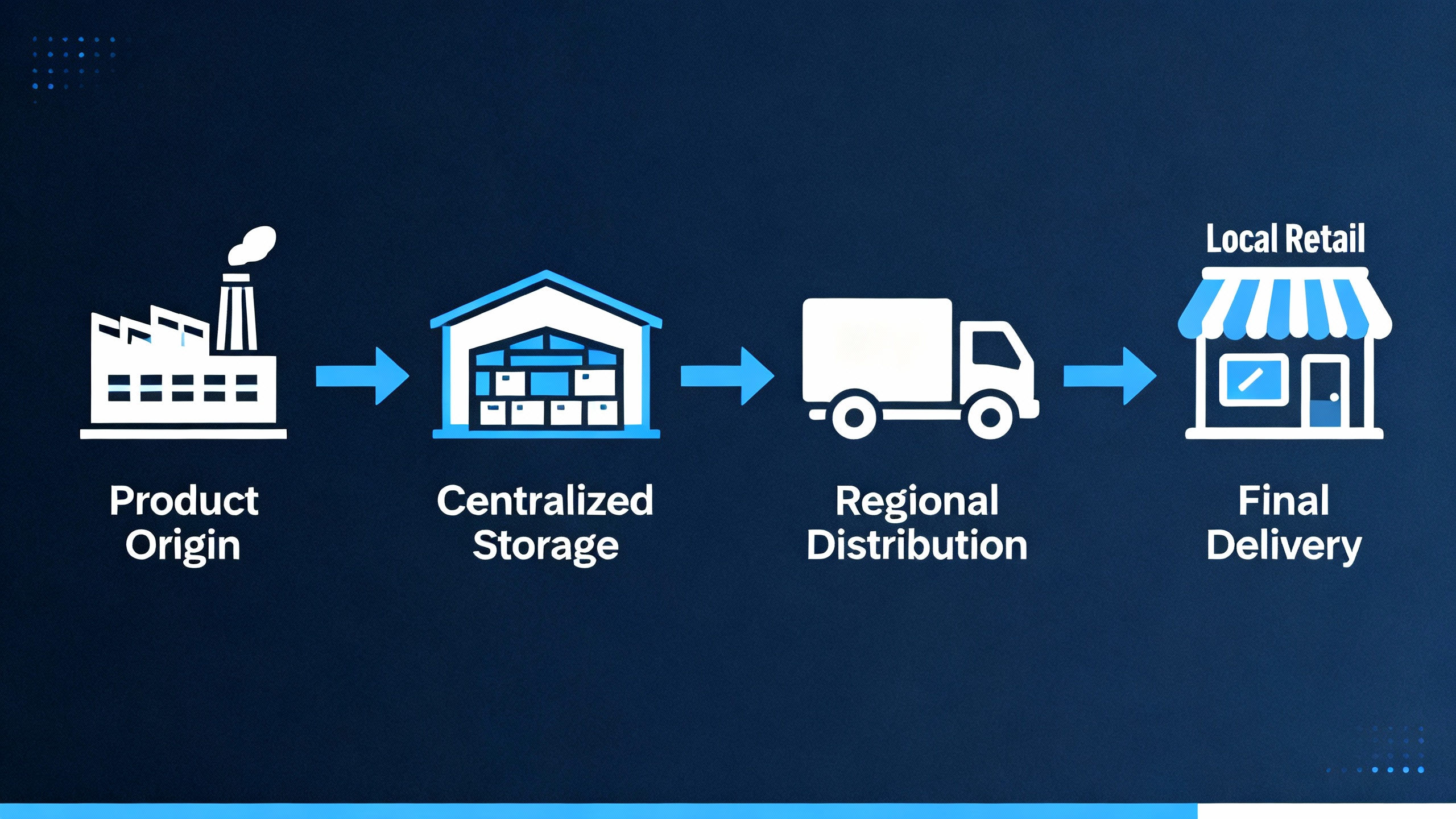
Phoenix Contact does not typically sell individual terminal blocks or connectors directly to every end user. Instead, as Phoenix Contact’s US service and support information makes clear, the vast majority of its business in the United States runs through a network of authorized stocking distributors. The company supports this network with regional customer and technology centers and comprehensive service resources, but you rarely buy a box of terminal blocks directly from Phoenix Contact itself.
According to Phoenix Contact’s “Find a Distributor” and “Find distributors and sales partners” guidance, the company’s channel framework includes authorized distributors, system integrators and solution partners, and sales partners. The en‑US and en‑AU partner descriptions emphasize that these channel partners act as local experts in Phoenix Contact solutions, offering specialized support for applications that involve automating, connecting, powering, protecting, switching, measuring, and monitoring.
Distributors focus on product availability, inventory management, and local support through nearby offices and warehouses. Phoenix Contact recommends working with authorized distributors because they can streamline the procurement process and improve your overall purchasing experience. The US distributor list includes a broad mix of companies headquartered across the country, such as Arrow Electronics in Colorado, Digi-Key Electronics in Minnesota, Mouser Electronics in Texas, Graybar in Missouri, and many regional houses serving specific states or industries. These distributors hold stock, manage lead times, and provide the first line of local assistance.
System integrators and solution partners are described by Phoenix Contact as companies that design and implement tailored automation and subsystem solutions using Phoenix Contact technologies. Their value lies in expert engineering and design support, seamless system integration, reduced implementation time, and ongoing maintenance and support. For power supply systems, a system integrator might design the overall control architecture for a new UPS-backed substation automation scheme, choosing Phoenix Contact terminal blocks, PLC interfaces, surge protection modules, and network switches to meet the project’s performance and cybersecurity requirements.
Sales partners provide a more strategic sourcing and consultative role. Phoenix Contact notes that these partners offer personalized consultation and product recommendations, strong local or regional presence, and industry-specific knowledge and expertise. For a multi-site industrial operator looking to standardize on Phoenix Contact connection technology across dozens of plants, a sales partner can help rationalize part numbers, negotiate pricing, and coordinate with distributors and system integrators to avoid gaps or overlaps.
A simple way to visualize these roles is to think of distributors as supplying the parts, system integrators as building systems out of those parts, and sales partners as helping you choose and source the right parts at scale. Phoenix Contact’s own guidance encourages customers to use online search tools to identify distributors, system integrators and solution partners, and sales partners that match their application needs and geography.
To make this more concrete, imagine a utility planning a new control building with UPS-backed protection and SCADA systems at a transmission substation. The utility might work with a system integrator to design the control cabinets and specify Phoenix Contact CLIPLINE terminal blocks, isolation amplifiers, and communication components. A sales partner could help standardize these choices across multiple substations, while an authorized distributor would supply the actual parts, manage delivery schedules, and coordinate any substitutions within Phoenix Contact’s product families.
The key reliability point is that all of these channel partners operate within Phoenix Contact’s official ecosystem. When you stay inside that ecosystem, you benefit from tested combinations of components, documented substitutions, and escalation paths to Phoenix Contact’s own product experts and technical service.
Authorized Distributors: Your Primary Source for Connection Technology Parts
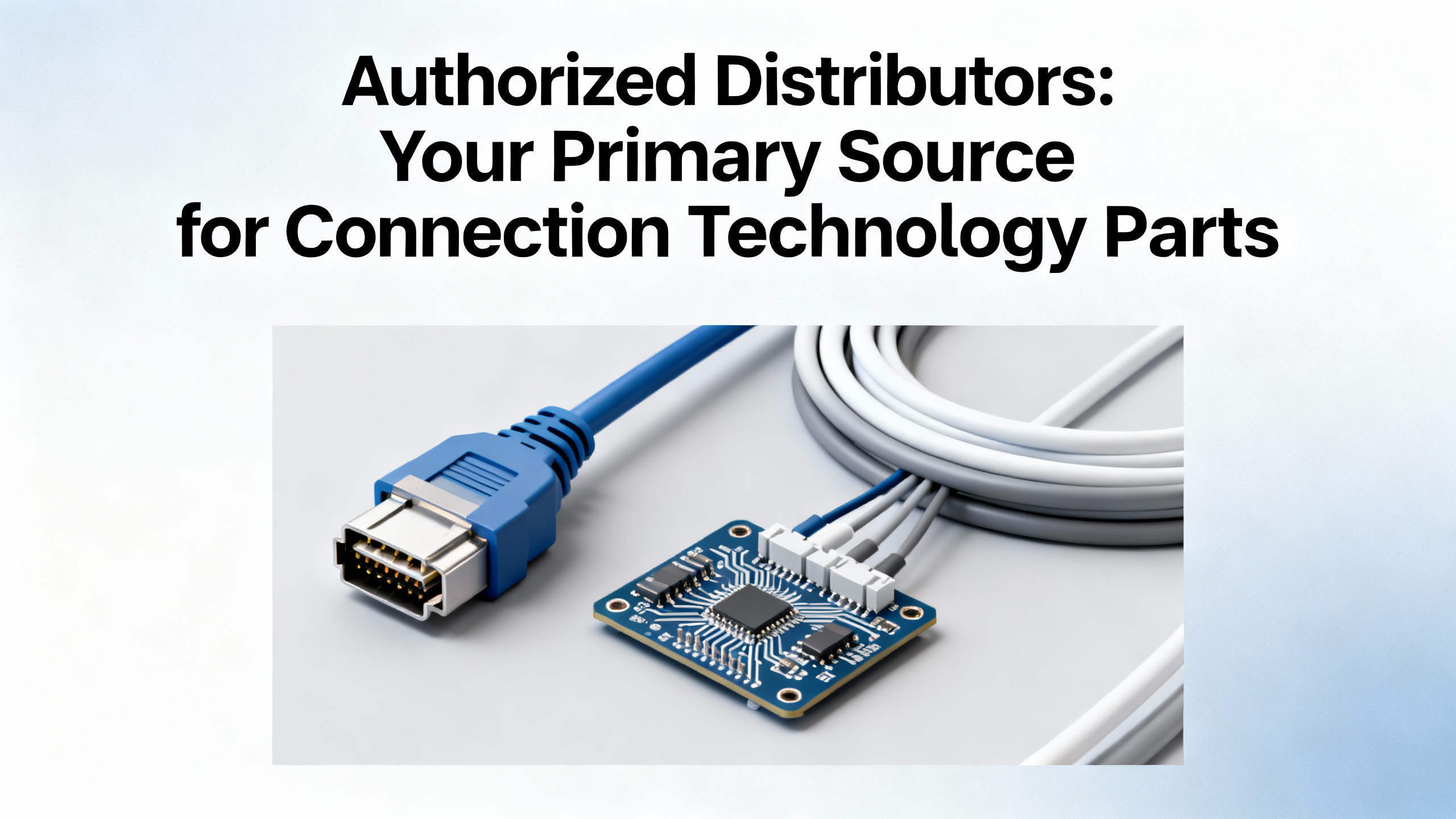
For day‑to‑day procurement of Phoenix Contact terminal blocks, connectors, and related accessories, an authorized distributor is usually the most efficient and reliable route. Phoenix Contact’s US distributor list shows a broad network of partners headquartered across the country, including large electronics distributors, specialized automation houses, and regional electrical distributors. Names like Arrow Electronics, Digi-Key Electronics, Mouser Electronics, Graybar, RS Americas, Sager Electronics, and many others appear in this list, along with companies focused on control and automation, such as AWC Inc., Advantage Industrial Automation, Cochrane Supply, and Industrial Automation Supply.
Phoenix Contact’s own contact and support information stresses that most US business flows through these stocking distributors, and it directs customers to use a “Find a Distributor” tool to locate authorized partners in their area. The benefits described include improved product availability, local support from distributor offices and warehouses, and specialized industry solutions aligned with your application needs. In practice, that means an engineer or buyer responsible for UPS and power protection gear should treat Phoenix Contact’s authorized distributor list as the authoritative starting point, rather than general-purpose online marketplaces of uncertain origin.
In parallel, several independent distributor profiles reinforce the advantages of working with companies that explicitly position themselves as Phoenix Contact specialists. Stecker Express, for instance, highlights a wide range of Phoenix Contact connection technology, including CLIPLINE Complete terminal blocks, COMBICON PCB connectors, circular connectors, and sensor cables. They point out that the full product range can be purchased without minimum order quantities or packaging units, and that orders placed one day can be delivered on site the next. That combination of no minimum order and fast turnaround is valuable when you are building or modifying control cabinets and need an extra handful of terminal blocks or markers without delaying the whole project.
Controls Traders provides another example. They market Phoenix Contact products alongside complementary control devices, emphasizing more than forty years of experience in building automation and controls, fast and reliable shipping across Australia and beyond, and priority stocking for items that other channels sometimes place on backorder. For customers in their region, that can significantly reduce the risk of delays when a project calls for specific Phoenix Contact components such as UNO-PS power supplies, isolation amplifiers, or Push‑X terminal technology.
Electric Supply Equipment Co, which showcases Phoenix Contact’s portfolio across electric mobility, mechanical engineering, wind and solar energy, building automation, automotive, and cybersecurity applications, shows how a distributor can help bridge Phoenix Contact technology into specialized sectors like EV charging infrastructure or renewable energy plants. Even though their page focuses on positioning rather than quantitative metrics, it underlines that Phoenix Contact components are widely used in advanced industrial and energy markets, and that distributors play a key role in delivering those components to project sites.
To see how this plays out in real numbers, consider a facility that needs eight hundred terminal blocks and related accessories for a UPS-backed power distribution center. If an authorized distributor with local stock can ship all material within two days, your panel shop can proceed on schedule, avoiding overtime or rescheduling of field installation crews. If you instead buy through fragmented or gray-market sources and experience a week-long delay or receive non‑matching parts, even a single day of lost commissioning time can easily cost more in labor and opportunity than any nominal savings on the component price.
Specialist Connection-Technology Suppliers and Regional Examples
Beyond the broad authorized distributor network, specialist Phoenix Contact suppliers can be particularly valuable when your project is connection‑heavy and panel‑centric. Stecker Express and Controls Traders both fall into this category, emphasizing depth of Phoenix Contact product coverage and connection-focused application support.
Stecker Express positions itself as a source for Phoenix Contact components used in mechanical and plant engineering, control cabinet construction, electrical installations, and even marine or offshore automation. Their emphasis on CLIPLINE Complete terminal blocks, COMBICON PCB connectivity, and a wide range of circular connectors and sensor cabling speaks directly to the needs of panel builders and automation integrators. The ability to order precise quantities without minimum order constraints, coupled with next‑day delivery in their service area, can be the difference between hitting a tight factory shutdown window and slipping into another week of downtime.
Controls Traders illustrates how a regional expert can combine Phoenix Contact products with complementary brands to support building automation and industrial controls. Their portfolio includes Phoenix Contact terminal blocks, surge protection devices, PCB connectors, cables, and DIN‑rail power supplies such as the UNO‑PS series, along with Schlegel emergency stop switches, indicator lights, and RFID access systems. This kind of combination is particularly relevant for power reliability in commercial buildings, where UPS systems protect not only IT equipment but also HVAC controls, emergency lighting, and safety systems. Working with a distributor that understands both the Phoenix Contact connection layer and the surrounding control architecture allows you to source connection components and control devices in a coordinated way.
Another regional example from Phoenix Contact’s own distributor locator is a building automation specialist headquartered in Farmers Branch, Texas, serving the Dallas–Fort Worth region. The listing notes a focus on building automation and identifies a local street address, making it clear that Phoenix Contact’s channel includes distributors aligned with specific applications as well as geographies. For a project such as a high‑rise building’s UPS-backed building management system, working with such a specialist can simplify the integration of Phoenix Contact terminal blocks, connectors, and surge protection devices into the broader building automation scheme.
Newark’s Phoenix Contact distributor landing page, although represented in the research by a cookie-consent notice rather than technical content, signals yet another model: major component distributors that maintain dedicated Phoenix Contact microsites. These sites help engineers browse Phoenix Contact catalog items, manage saved carts, and align part numbers with internal procurement systems. While the cookie notice itself is not about connection technology, its presence on a Phoenix Contact-branded distributor page reinforces the idea that global component distributors also serve as important buying channels for Phoenix Contact parts.
The pattern across these examples is consistent. Whether your project is a control cabinet for a wind farm, a UPS-backed data center row, or a building automation retrofit, specialist Phoenix Contact suppliers and application-focused distributors provide additional value beyond simply shipping parts. They bring familiarity with Phoenix Contact’s connection families, can suggest appropriate accessories or alternatives, and often hold the exact variants that panel builders prefer, such as triple-level terminal blocks or specific marking systems.
Working Directly Through Phoenix Contact’s Channel Partner Network
When projects become more complex, or when your organization plans to standardize on Phoenix Contact across multiple sites, it pays to engage Phoenix Contact’s channel partner network more deliberately, rather than treating procurement as a series of independent catalog orders.
Phoenix Contact’s global “Find distributors and sales partners” information describes channel partners as local experts in Phoenix Contact solutions. The stated benefits of working with channel partners include reliable product availability through efficient inventory management, local support from nearby offices and warehouses, and expert product knowledge leading to tailored industry solutions. The en‑AU overview, for example, emphasizes that channel partners help customers choosing Phoenix Contact products for applications involving automating, connecting, powering, protecting, switching, measuring, or monitoring.
In the United States, Phoenix Contact’s sales network is presented as designed to maximize market coverage while maintaining individual customer contact. Tools such as “Find a Distributor” and “Find product experts” guide users toward both stocking distributors and specialized technical advisors. The US contact page adds that Phoenix Contact maintains dedicated customer and technology centers, including locations in Middletown, Pennsylvania, Ann Arbor, Michigan, and Houston, Texas, and offers extended technical service hours with 24/7 after‑hours emergency support for mission‑critical needs. This service backbone matters when your power system depends on connection technology that must be supported over many years.
System integrators and solution partners within the Phoenix Contact network are particularly important for complex EPS and UPS installations where connection technology cannot be considered in isolation. Phoenix Contact notes that these partners provide expert engineering and design support, seamless integration, reduced implementation time, and ongoing maintenance. For example, in a petrochemical plant installing new UPS-backed process control systems, a solution partner might design control cabinets that use Phoenix Contact isolation amplifiers to protect analog measurement loops, CLIPLINE terminal blocks with Push‑X tool‑free wiring to speed installation, and appropriate surge protection devices on I/O lines exposed to field surges.
Sales partners complement these technical roles by offering personalized consultation and product recommendations, stronger local and regional presence, and industry-specific knowledge. For a portfolio of facilities spread across several states, a sales partner can help align Phoenix Contact part usage with corporate standards, coordinate with distributors to ensure consistent availability across regions, and integrate Phoenix Contact purchasing into broader strategic sourcing initiatives.
From a reliability advisor’s perspective, the value of engaging channel partners lies in reducing “unknowns” and single points of failure. Instead of relying on ad‑hoc, project-by-project decisions, you can define a connection technology strategy with Phoenix Contact and its partners, then execute that strategy consistently through authorized distributors and integrators. That strategy might include standardized terminal block families for all UPS panels, pre‑approved connector series for field instrumentation, and agreed procedures for handling product lifecycle changes.
Reliability, Counterfeits, and Why the Buying Path Matters
All of the technology benefits of Phoenix Contact components are contingent on actually receiving authentic, correctly specified parts. While the research here does not provide explicit statistics on counterfeit rates or failure modes, the logic is straightforward: if a component is popular in industrial control cabinets worldwide and carries premium positioning, it is a tempting target for copycat products and questionable substitutions.
Authorized distributors and channel partners are one of Phoenix Contact’s main tools for controlling this risk. According to Phoenix Contact’s US contact information, the company explicitly directs customers to use its distributor locator to find authorized partners and notes that its sales network is designed to enhance service levels and ensure customers receive the products they need. Stecker Express and Controls Traders both emphasize the authenticity and quality of the Phoenix Contact products they carry, and they position operational safety, process reliability, and high system availability as outcomes that their Phoenix Contact offerings enable.
Consider a hypothetical reliability calculation for a critical UPS installation serving a hospital imaging suite. Suppose the installation contains one thousand individual connection points implemented with terminal blocks, PCB connectors, and plug-in field connectors. If authentic Phoenix Contact components, correctly installed, result in a long-term connection failure probability of one in ten thousand per point over a certain horizon, you would expect significantly less than one connection failure over that period. If, by sourcing from non‑authorized channels, you inadvertently introduce components with a failure probability even a few times higher, you quickly move into a regime where a connection failure becomes likely rather than rare. This is not a claim about specific Phoenix Contact failure rates; it is a reminder that small changes in component reliability multiply across large numbers of connection points.
There is also the issue of documentation and traceability. Authorized distributors and channel partners can provide batch information, certificates, and substitution guidance when necessary. Phoenix Contact’s emphasis on certified products suitable for international regulatory environments, as highlighted by Stecker Express, only delivers value if you can trace a component back to its origin and confirm that it is the correct variant for your jurisdiction and application.
From a risk-management standpoint, the cost difference between genuine parts from authorized distributors and seemingly equivalent parts from unverified sources is almost always dwarfed by the potential impact of a single serious failure. A mis-terminated control circuit in a transfer switch, for example, can drop a critical load or cause an unsafe retransfer during a disturbance. In that context, sticking to Phoenix Contact’s recommended purchasing channels is not a luxury; it is a straightforward reliability control.
A Practical Buying Strategy for UPS, Inverters, and Power Protection Projects
Putting the pieces together, an effective strategy for buying Phoenix Contact connection technology parts starts long before you place an order. The first step is to align your designs with Phoenix Contact product families that are well supported across the channel, such as CLIPLINE Complete for modular terminal blocks and COMBICON for PCB connectivity, as highlighted by Stecker Express, or UNO‑PS power supplies and isolation amplifiers from the range described by Controls Traders. This design standardization reduces the number of distinct part numbers you depend on and simplifies discussions with distributors and sales partners.
Once your preferred families are identified, the next move is to use Phoenix Contact’s own tools and contact channels to identify appropriate distributors and partners. The US “Find a Distributor” and “Find distributors and sales partners” tools and the contact page’s “Find a product expert” option provide a way to cross-check that the companies you intend to buy from are indeed authorized and recognized by Phoenix Contact. For projects outside the US, the regional partner search pages serve the same role, connecting you to local channel partners characterized as experts in Phoenix Contact solutions.
With candidate distributors identified, engage them early in the project lifecycle. Share indicative bills of material for UPS panels, inverter cabinets, or protective relay cubicles and ask for feedback on availability, potential part consolidations, and lifecycle considerations. Authorized distributors and sales partners can help you avoid selecting products with looming obsolescence or marginal availability. Specialist suppliers like Stecker Express, Controls Traders, or Electric Supply Equipment Co can contribute insights on accessories, labelling systems, or complementary control devices that may not be immediately obvious from catalog browsing.
As you move into procurement, prioritize distributors who can commit to stocking levels aligned with your project schedule and future maintenance needs. Phoenix Contact’s channel guidance stresses the value of effective inventory management and local warehouses. That can translate into stocking agreements or blanket orders for high-volume items such as common terminal blocks or connector housings, ensuring that emergency replacements or small expansions do not require long lead times.
It is also important to integrate Phoenix Contact’s technical service capability into your planning. The US contact information indicates extended technical service hours and twenty‑four‑seven after‑hours emergency support. Knowing how to reach those resources, and ensuring that your distributors and integrators are prepared to coordinate with Phoenix Contact when necessary, gives you a structured path for resolving technical questions about connection technology in critical systems.
To make the channel choices easier to compare, the following table summarizes the main partner types and where they fit in typical power projects:
| Channel type | Primary role | When they work best | Typical strengths |
| Authorized distributor | Stock and supply Phoenix Contact parts, manage inventory, provide local logistics and basic application support | Routine purchasing of terminal blocks, connectors, power supplies, and accessories for projects and maintenance | Reliable availability, alignment with Phoenix Contact’s official product range, and straightforward procurement processes |
| System integrator or solution partner | Design and implement automation and control systems built on Phoenix Contact technologies | Complex UPS-backed control, SCADA, and protection schemes where connection technology must integrate with PLCs, networks, and safety systems | Engineering expertise, tailored designs, faster implementation, and coordinated lifecycle support |
| Sales partner | Provide strategic consultation, part standardization, and sourcing optimization across multiple sites or programs | Organizations standardizing on Phoenix Contact for many plants, buildings, or substations | Product selection guidance, price and contract optimization, and coordination with distributors and integrators |
| Specialist connection-technology supplier | Focus on Phoenix Contact connection and control components, often with deep stock of specific families | Control cabinet builders, panel shops, and projects that are heavily terminal- and connector-intensive | Detailed knowledge of Phoenix Contact connection families, flexible order quantities, and fast turnaround for cabinet material |
For a typical industrial UPS project, you might standardize on Phoenix Contact connection families in your design; validate those choices with a Phoenix Contact product expert; source high-volume parts through one or two authorized distributors with strong local presence; and, where complexity warrants, work with a system integrator to ensure the connection technology is applied correctly within the broader control architecture.
FAQ: Practical Sourcing Questions from a Power Reliability View
How do I verify that a Phoenix Contact distributor is authorized?
Phoenix Contact itself provides the most reliable answer here. The company’s US contact and distributor pages explicitly encourage customers to use the official “Find a Distributor” and related search tools to locate authorized partners. If a company appears in those listings, such as Arrow Electronics, Digi-Key Electronics, Mouser Electronics, Graybar, or other named partners, you can treat it as an authorized Phoenix Contact distributor. If you are unsure about a supplier that does not appear, contact Phoenix Contact’s customer service or use the “Find a product expert” route to confirm before placing large orders, especially for safety‑critical connection technology in UPS or protection schemes.
Is it acceptable to buy Phoenix Contact terminal blocks or connectors from general online marketplaces?
The research material here does not list or endorse any general online marketplaces, and Phoenix Contact’s own guidance consistently steers customers toward authorized distributors and channel partners. Given that connection technology sits at the heart of power-system reliability and that Phoenix Contact components are tested and certified for demanding industrial environments, buying from unverified sources introduces unnecessary risk of counterfeit, aged, or incorrectly stored parts. From a reliability advisor’s standpoint, especially in critical UPS, inverter, or protection applications, it is prudent to buy Phoenix Contact parts only through channels that Phoenix Contact itself recognizes.
When should I involve a system integrator or solution partner rather than just a distributor?
If your project requires only straightforward replacement of terminal blocks or connectors in an existing design, an authorized distributor is usually sufficient. When you are designing or upgrading complex systems such as substation automation, large data center power distribution, or integrated building automation with UPS-backed controls, Phoenix Contact recommends considering system integrators and solution partners. Their role is to design and implement automation solutions using Phoenix Contact technologies, providing expert engineering, seamless integration, and ongoing support. For example, in a refinery upgrading both protection systems and process control networks, involving a Phoenix Contact solution partner can ensure that connection technology, surge protection, communication infrastructure, and control logic are engineered as a coherent whole rather than as isolated purchases.
From a power-system specialist’s perspective, connection technology is not a commodity; it is part of the reliability stack. Phoenix Contact offers a strong portfolio for that layer, but the real value appears when you source through the company’s authorized distributors and channel partners, align designs with well-supported product families, and treat your Phoenix Contact suppliers as long-term reliability partners rather than transaction vendors.
References
- https://ftp.rspsupply.com/m-4-phoenix-contact.aspx
- https://www.newark.com/b/phoenix-contact
- https://octopart.com/manufacturers/phoenix-contact
- https://www.phoenixcontact.com/en-au/find-distributors-sales-partners
- https://stex24.com/suppliers/phoenix-contact?srsltid=AfmBOoqNhxqnlCrW6aAP53UYUlTT0kdZBPQ-NXCtZgD0y92fROx_tdQP
- https://www.arrow.com/en/manufacturers/phoenix-contact
- https://www.controlstraders.com/brand/phoenix-contact/
- https://www.digikey.com/en/supplier-centers/phoenix-contact
- https://www.mouser.com/manufacturer/phoenix-contact/?srsltid=AfmBOoo13NOVMp8VwWRSijM7FDLv2EDOrory93_yJuWS9t9xUW-iyW-j
- https://us.rs-online.com/brand/phoenix-contact/?srsltid=AfmBOoq7lnMIlEJUHJruLY2gzyvMAC6Ds8wh7oMnDGF6yCeDzZ-YOWnh


 Videos
 News
News Applications






Leave Your Comment