Why Plants Are Actively Looking Beyond Siemens
In power-critical environments, Siemens PLCs have earned their reputation. They are robust, deeply integrated with HMIs and SCADA, and proven over decades in manufacturing, power, and process industries. Research from Industrial Automation Co. notes that Siemens controllers, especially the S7-1200 and S7-1500 families, are designed for complex, large-scale automation and have helped facilities cut downtime and improve quality through advanced data analytics.
The challenge today is not whether Siemens is technically capable. It is whether you can get the hardware when you actually need it. A recent user report in the automation community described lead times for some Siemens PLC parts extending beyond fifteen months. For a factory that depends on coordinated UPS systems, inverters, and power protection equipment, that is not just an annoyance. It is a direct threat to uptime and revenue.
Practitioners on control forums have described situations where the cost of shutting down a plant safely just to replace a tiny component can reach hundreds of thousands of dollars in lost production. When a $2 fuse or a single I/O card can contribute to a six-figure outage, depending on a single PLC vendor with constrained supply becomes a strategic risk.
At the same time, the global PLC market is growing. Autsikinta’s analysis points to strong growth in PLC demand and an industrial automation market approaching hundreds of billions of dollars in value. That growth amplifies competition for hardware, and it pushes many operators to qualify Siemens alternatives so they can keep projects on schedule and power systems properly protected.
From a power-system reliability perspective, diversifying your PLC supply base is no longer optional. It is part of a broader resilience strategy that sits alongside UPS sizing, redundant inverters, and coordinated protection schemes.

What “Good” Looks Like in a PLC Supplier
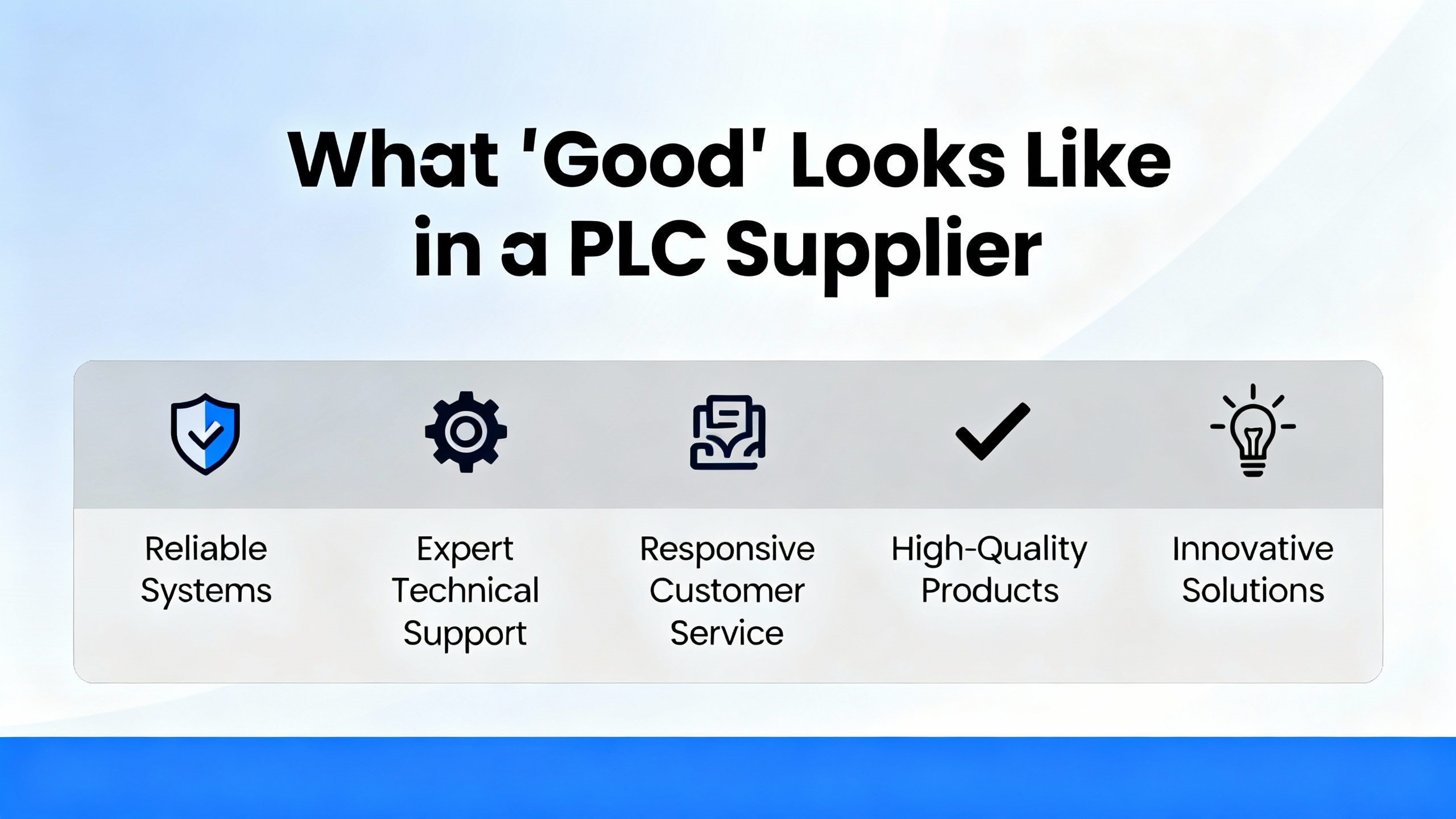
Before jumping into brands, it helps to define what makes a supplier reliable when you are used to Siemens. Multiple sources converge on similar criteria. Autsikinta emphasizes certifications and customer satisfaction metrics. OMCH and Qviro highlight channel strategy, lead times, and real-world project experience. PEKO Precision focuses on engineering depth and lifecycle support.
High-quality PLC suppliers generally share several traits. They have proven industry experience and often hold quality certifications such as ISO 9001. They maintain a broad and deep product range with clear roadmaps, from compact controllers to larger modular systems. They provide dependable technical support with pre-sales sizing help and post-sales troubleshooting. They offer competitive pricing and acceptable lead times, not just on CPUs but also on I/O, power supplies, and communication modules. And they back everything with robust after-sales service, including warranties, access to updates, and clear repair or replacement paths.
For power-focused plants, the bar is even higher. PLC vendors and distributors must understand how their controllers interact with UPS systems, inverter-based drives, static switches, and protection relays. They should be able to talk credibly about ride-through during voltage dips, I/O behavior during transfer events, and how power quality disturbances propagate into control logic.
The following table summarizes key evaluation dimensions that repeatedly show up across sources such as Autsikinta, OMCH, Qviro, and PEKO Precision.
| Dimension | What To Confirm in Practice | Why It Matters for Power-Critical Systems |
| Quality and certification | Presence of ISO 9001 or similar quality systems; documented inspection, testing, and traceability practices | Reduces the likelihood of latent hardware defects that surface during grid events or UPS switchovers |
| Product range and scalability | Availability of compact, mid-range, and high-end PLCs plus compatible I/O, networking, and safety options | Allows coherent scaling from small UPS panels to full plant-wide control without changing ecosystems |
| Lead time and inventory | Realistic stock levels, transparent lead times, and options for emergency shipments | Prevents minor PLC failures from turning into long outages due to lack of replacement parts |
| Technical support | Access to knowledgeable engineers, clear documentation, and timely responses | Critical when tuning protections, coordinating with inverters, or diagnosing intermittent power disturbances |
| After-sales service | Warranty terms, repair centers, upgrade paths, and lifecycle guidance | Ensures that your control platform remains supportable over the life of the power infrastructure |
| Supply-chain resilience | Diversified sourcing, regional stock, and contingency planning | Helps maintain availability during geopolitical disruptions or component shortages |
If a prospective Siemens alternative supplier cannot give you credible answers in these areas, you are likely trading one risk (Siemens lead times) for another (unreliable control infrastructure).
Leading PLC Brands to Consider as Siemens Alternatives
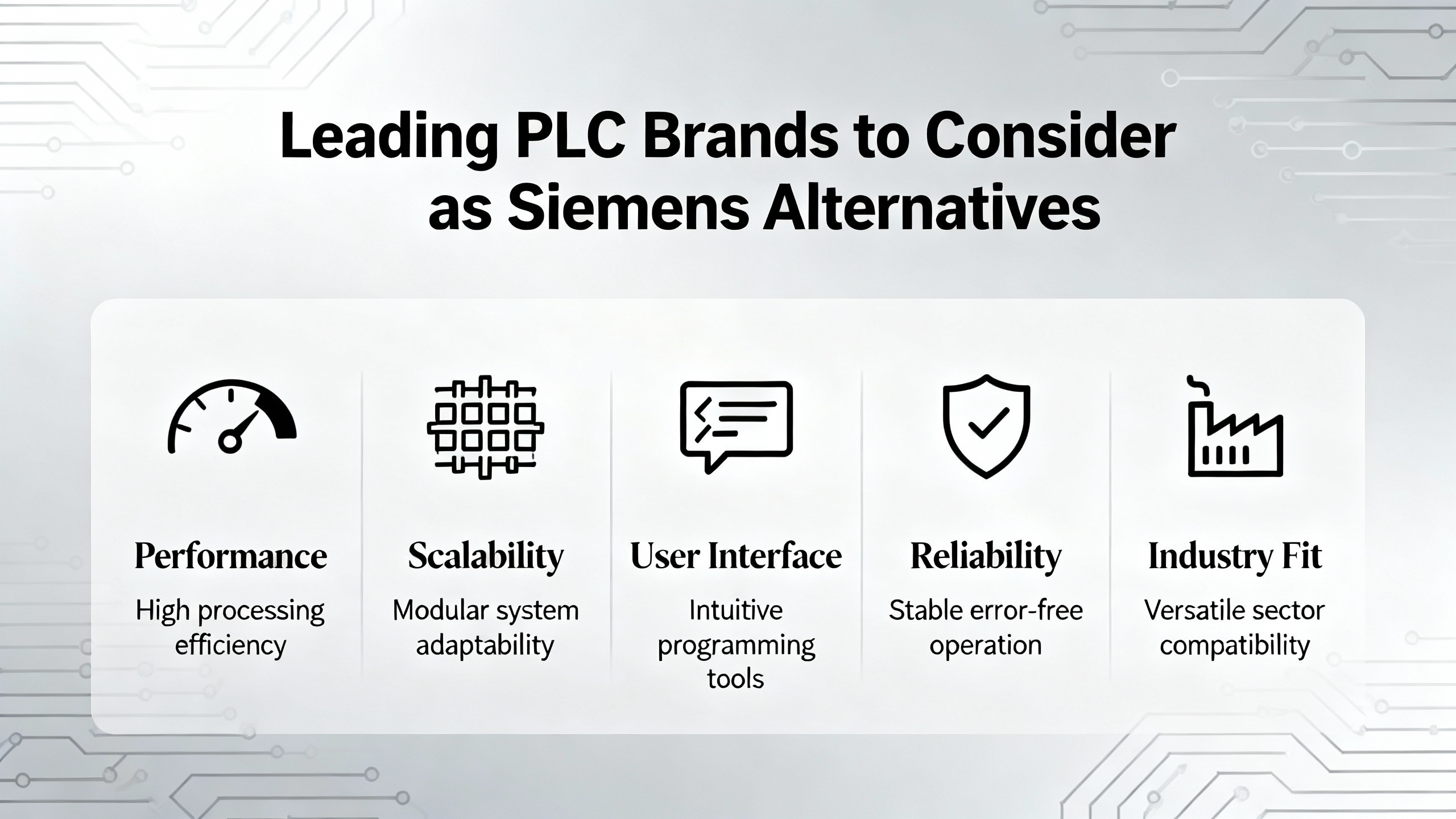
Several PLC brands are mature enough to serve as realistic alternatives in demanding industrial and power applications. Research from Industrial Automation Co., PEKO Precision, PLCDepartment, and OMCH collectively highlights a core group of vendors that consistently appear in large projects.
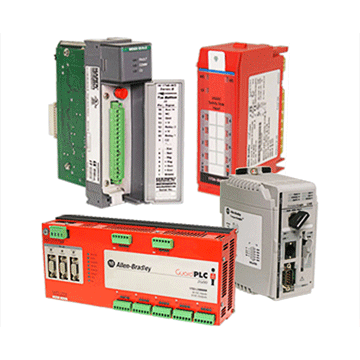
Allen-Bradley / Rockwell Automation
Rockwell Automation, through its Allen-Bradley family, is a prime Siemens alternative, especially in North America. Its ControlLogix and CompactLogix controllers sit inside a unified Logix platform and are engineered to handle discrete, motion, process, and safety control from a single environment. Industrial Automation Co. reports that Rockwell deployments have achieved significant production efficiency gains and energy reductions in real factories.
The main advantages for a Siemens user are ecosystem maturity and regional strength. Rockwell’s EtherNet/IP-based architecture is widely understood across North American OEMs and integrators. That means there is a large workforce familiar with programming tools, diagnostics, and best practices. For power-centric systems, Rockwell’s tight integration with drives and energy monitoring tools helps coordinate UPS-backed loads and motor control centers.
The tradeoff is cost. Multiple sources note that Rockwell controllers tend to be premium priced. When you factor in software licensing and safety modules, total cost can exceed what you are used to with Siemens. In critical substations, data centers, or plants where downtime costs dwarf hardware expenses, that premium is often justified. In budget-constrained retrofits, it may not be.
Schneider Electric
Schneider Electric’s Modicon line is another serious contender. PLCDepartment describes Modicon M221 for small machines, M340 for mid-sized systems, and M580 for large, high-performance applications with built-in connectivity and redundancy features. Industrial Automation Co. emphasizes Schneider’s focus on energy efficiency and connectivity through its EcoStruxure platform.
For facilities that already use Schneider gear for breakers, switchgear, or power meters, moving to Modicon controllers can simplify integration and energy reporting. In UPS and power-protection projects, Schneider’s ability to combine power hardware and automation within one ecosystem is a practical advantage.
From a Siemens user’s perspective, Schneider’s software stack and terminology will feel different. There is a learning curve, and you will want to ensure your preferred distributors keep sufficient Modicon stock, not just Schneider branded power hardware.
Mitsubishi Electric
Mitsubishi Electric’s MELSEC PLCs, especially the FX and Q series, are widely recognized for compact design and high-speed processing. Industrial Automation Co. points out that entry models can be cost-effective, while larger systems deliver strong performance in demanding applications. PEKO Precision confirms that Mitsubishi PLCs are easy to source and carry a solid reputation in automation circles.
If your plant includes a lot of drive and motion content around high-speed packaging, battery manufacturing, or semiconductor-related processes, Mitsubishi is worth a close look. In my own experience, when we have tightly coupled PLC logic, servo drives, and inverter-fed motors, Mitsubishi’s motion ecosystem has been competitive with Siemens.
The main watchpoint is ecosystem familiarity. In regions where Rockwell or Siemens dominate, local electricians and technicians may be less comfortable with Mitsubishi’s software tools and diagnostics. That can be mitigated through targeted training or by partnering with integrators who routinely deploy Mitsubishi gear.
ABB
ABB’s AC500 PLC family is positioned for harsh environments and heavy industries such as mining and oil and gas. Industrial Automation Co. notes that ABB controllers are designed for interoperability and advanced diagnostics, and cites a mining deployment where equipment failures dropped significantly in extreme temperature conditions.
For power and substation applications, ABB’s strength in energy systems is an asset. The company spans high-voltage switchgear down to drives and PLCs, and aligns its automation products with sustainability goals and long-term support commitments. For plants where both process control and electrical balance of plant must be tightly integrated, ABB PLCs deserve serious consideration.
The cost profile typically sits near Siemens and Rockwell. The payoff is in environments where ruggedness and long-term support are more important than shaving the last dollar off capital cost.
Omron
Omron provides compact and modular PLC lines such as the CP, CJ, and CS series. Industrial Automation Co. highlights Omron’s strengths in smaller automation projects and in integrating robotics and vision systems. PEKO Precision notes that Omron PLCs are frequently integrated into custom machinery due to their durability and ease of use.
For power-system projects, Omron is often a good fit at the edge: for local UPS panels, genset controllers, or auxiliary systems where a compact, standalone controller is sufficient. Their software tools are relatively approachable, making them suitable for operations teams that may not have deep PLC programming expertise.
The main limitation is ecosystem breadth compared with Siemens or Rockwell at the very high end. For large, plant-wide architectures with extensive redundancy, you will need to verify that Omron’s portfolio covers all required safety and networking features.
Honeywell and Other Process-Oriented PLCs
Honeywell Process offers ControlEdge and MasterLogic PLC families that emphasize modular I/O, multiple communication interfaces, and cybersecurity capabilities. These products are aimed at scalable industrial control, often in process environments that already rely on Honeywell DCS or SCADA systems.
For refineries, chemical plants, and large power stations with significant Honeywell footprints, these PLCs can serve as a natural Siemens alternative for new projects and expansions. The key is to align with Honeywell’s broader control architecture to avoid fragmented islands of automation.
Delta, UniMAT, and Cost-Effective Contenders
Not every application justifies premium PLC hardware. OMCH discusses cost-effective Asian manufacturers such as Delta Electronics, which extends its power and thermal management expertise into PLCs that mimic top-tier brands at lower prices. PLCDepartment also notes Delta’s DVP series as reliable and easy to use, backed by a global support network.
UniMAT positions itself explicitly as a Siemens alternative. According to UniMAT’s own description, its PLCs deliver roughly half the price of Siemens with about ninety percent of the features, and in some use cases claim faster processing and larger memory than certain Siemens models. The company emphasizes compatibility and suggests that many existing Siemens-based systems can be replaced with UniMAT controllers with minimal changes.
These cost-effective options can make sense in non-critical roles or where budget constraints are severe. When you are controlling UPS-backed switchgear or critical bypass paths, you should treat vendor claims cautiously. As a reliability advisor, my recommendation is to pilot such controllers in less critical loops first, verify performance and support responsiveness, and only then consider them for power-critical duties.
Alternative I/O and Communication Platforms
An alternative PLC strategy is not just about CPUs. ODOT Automation, for example, promotes Profinet-based I/O such as the CT-3158 module, which provides multi-channel voltage inputs with robust connectivity in harsh environments. For plants standardizing on Ethernet-based fieldbuses, strategically adopting non-Siemens I/O platforms can increase flexibility while still interfacing with Siemens or alternative PLCs as needed.
This modular approach is especially useful when Siemens controllers are still available but specific I/O families are constrained. By standardizing on open communication protocols and using vendor-neutral I/O, you reduce lock-in and create more freedom to change controller brands in future projects.
Where to Buy: Reliable Channels for Siemens Alternatives
Once you have chosen candidate brands, the next question is where to source them. OMCH’s analysis of industrial automation parts suppliers offers a useful framework that applies directly to Siemens alternatives.
Original Equipment Manufacturers such as Rockwell, ABB, Mitsubishi, Schneider, and Omron can often supply PLCs directly, especially for large projects or framework agreements. OEM direct channels excel when you are designing new power systems, standardizing across multiple plants, or implementing complex, high-volume machine-builder programs. You gain direct access to vendor engineering teams, but you may face longer production lead times and higher list prices.
Authorized and independent distributors bridge the gap between OEMs and end users. Companies such as Digi-Key, Wesco, and RS are highlighted by OMCH as multi-brand, fast-shipping platforms with deep stock. For maintenance, repair, and operations use cases and for late-night emergency replacements, these distributors are often the most practical source of alternative PLCs and related components. In many regions, they carry substantial inventory of Rockwell, Schneider, ABB, Mitsubishi, and Omron hardware alongside power supplies, relays, and cabling.
Cost-effective component specialists, frequently based in Asia, play an important role when you are trying to manage budgets on non-core parts. OMCH itself operates as a “component supermarket” supplying proximity sensors, power supplies, solid state relays, and other parts with global certifications. Combined with cost-effective PLC brands like Delta or UniMAT, these suppliers can dramatically reduce total cost of ownership for non-critical segments of your control architecture.
Surplus and obsolete-part specialists are crucial when you run legacy systems. Research on Siemens vendors notes companies that focus on rare and end-of-life Siemens components, such as SIMATIC S5 controllers and older HMIs, providing tested, warranted parts. While this article focuses on alternatives, these surplus vendors are valuable for bridging strategies, allowing you to keep legacy Siemens-based power systems operational while new projects gradually migrate to other platforms.
Social and professional networks also matter. A discussion thread highlighting Siemens supply problems specifically asked who sells Schneider, Rockwell, and Omron alternatives. The implicit lesson is that peer recommendations and regional experience are powerful indicators of which distributors actually have stock and support capabilities, beyond what any brochure promises.
Qualifying a Siemens Alternative Supplier Without Risking Uptime
Selecting a PLC brand is only half the work. You must also qualify the specific supplier or integrator who will design, deliver, and support your system. Qviro stresses that supplier choice is a strategic decision affecting cost, schedule, reliability, and scalability. PEKO Precision and Autsikinta provide detailed criteria and processes that can be adapted to PLC and control-system procurement.
Start by defining requirements clearly. This includes control logic complexity, number and type of I/O points with room for expansion, communication protocols (for example PROFINET, EtherNet/IP, Modbus), environmental conditions, safety and regulatory requirements, and performance expectations such as scan time and allowable downtime. For power systems, you should add detailed requirements around coordination with UPSs, inverters, generators, and protection devices, including expected behavior during transfer events and grid disturbances.
Next, evaluate potential suppliers on technical competence and automation depth. Leading automation companies, as described by Melton Machine and PEKO Precision, take a holistic approach that covers production flow, quality control, energy use, and workforce enablement. For PLC suppliers, this translates into in-house mechanical, electrical, and controls engineering, understanding of modern stacks including PLC, HMI, SCADA, drives, and safety, and the ability to propose design changes that lower lifecycle risk rather than just selling hardware.
Evidence of quality systems is essential. PEKO highlights the importance of ISO 9001 and sector-specific standards, in-process and final inspections, FMEA and corrective action processes, and robust traceability. Autsikinta’s checklist similarly ranks industry experience and certifications as high-importance criteria. Combine these formal signals with direct references and customer reviews. Contact existing clients, ask about response times during outages, and pay attention to how the supplier communicates during early discussions. Slow or inconsistent communication, confusing pricing, or recurring negative reviews are red flags.
Modern supplier evaluation increasingly uses digital and AI-enabled tools. Cflow describes AI-powered supplier assessment platforms that track performance data, delivery patterns, and pricing, calculate reliability scores, and flag risk factors such as financial instability or geopolitical exposure. For large fleets of PLCs and power equipment across multiple sites, such tools can help you maintain objective, data-driven scorecards and predict where future supply disruptions are likely to occur.
Finally, look beyond quote price to total cost of ownership. PEKO advises including non-recurring engineering, expected scrap or rework, warranty exposure, shipping, maintenance, and lifetime support. In the PLC context, TCO also includes training your staff on new platforms, updating documentation, and potentially re-qualifying safety and compliance. Skipping this analysis may save a small amount upfront but can magnify risk during the first serious power event.
Reliability Architecture When Moving Beyond Siemens
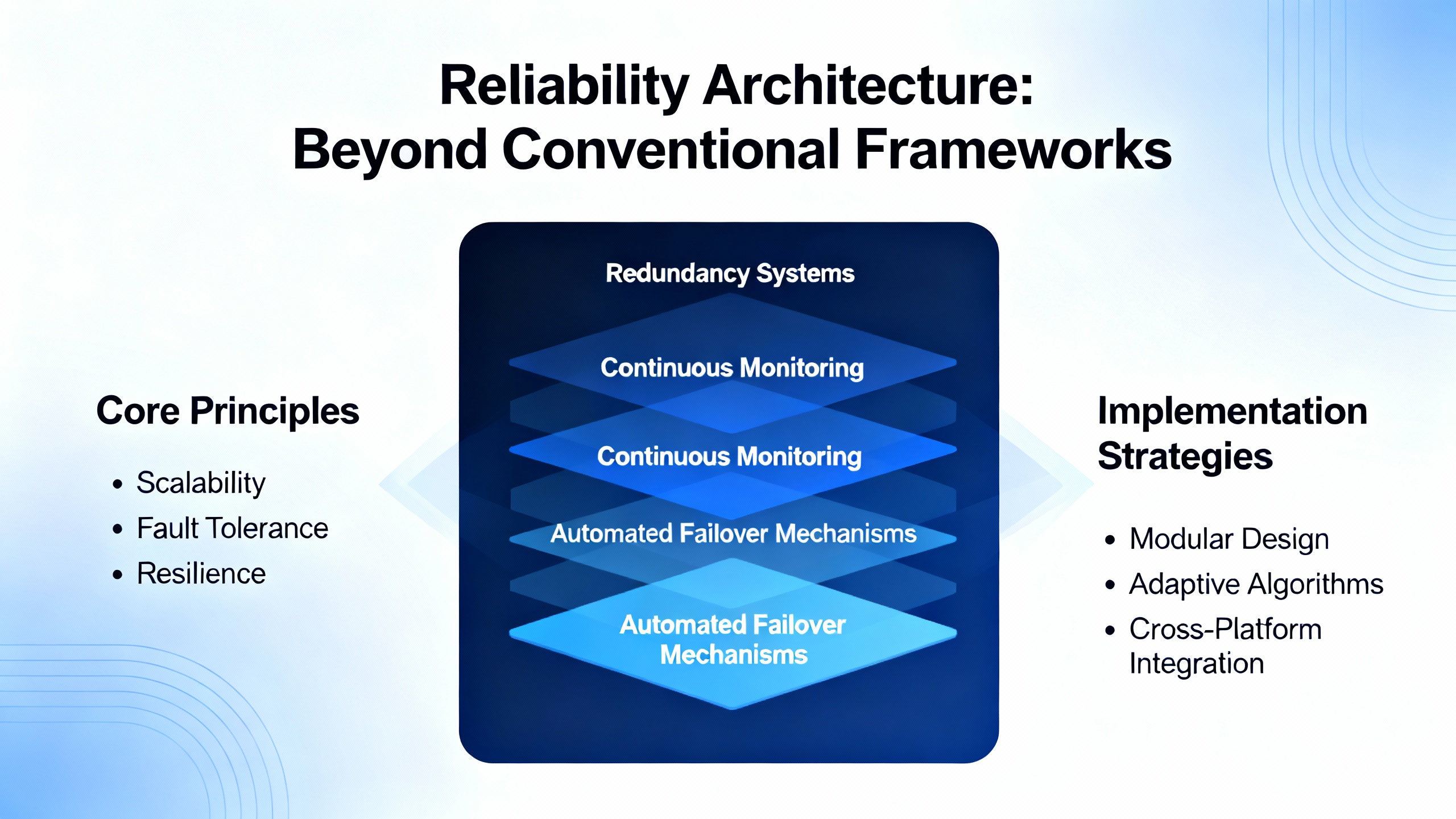
Changing PLC vendors is not just a procurement decision. It is a reliability and safety decision. A detailed discussion on redundant PLC architectures from Control.com provides several lessons that apply regardless of brand.
First, treat redundancy as a system property, not a checkbox on a CPU datasheet. Many so-called redundant PLC configurations duplicate processors and power supplies, but leave I/O as a single point of failure. In practice, the I/O modules facing the field see the most stress: power spikes, wiring errors, lightning-induced surges, and blown fuses. The practitioner who shared this experience reported multiple I/O failures over a decade, but only one processor failure. Swapping CPU brands without addressing I/O resilience does little to improve overall availability.
Second, tie redundancy decisions to process criticality and outage cost. The same author described how the economics of a shutdown, including lost production and wasted material, must be weighed against the price of additional redundancy. In some cases, full Triple Modular Redundant systems with voting logic are justified, especially for high-value or high-risk processes. In others, redundant processors with common I/O or even non-redundant systems are acceptable.
Third, document failure modes and replacement procedures meticulously. Alternative suppliers must support safe hot-swapping of modules, synchronization of replacement hardware with active CPUs, and strong safeguards against loading mismatched or outdated programs. This is particularly important in power systems, where misapplied logic during a transfer can create cascading failures.
In my own work on UPS-backed industrial controls, I have found that the most successful Siemens-to-alternative migrations start with a structured reliability study. Map out single points of failure in the control chain from field sensors through I/O, networks, CPUs, HMIs, and power supplies. Decide where redundancy is truly warranted based on safety and outage costs. Then verify that your chosen alternative brand and supplier can actually support the architecture you design, including diagnostics, switchover behavior, and test procedures.
Practical Migration Scenarios for Power-Focused Plants
There is no single right way to integrate Siemens alternatives into an existing power and automation landscape. Three practical patterns appear frequently across projects and case studies.
One pattern is to keep Siemens as the core platform while introducing alternatives around the periphery. In this model, Siemens remains in central switchgear, main process units, or high-criticality segments, while new UPS panels, auxiliary systems, or non-critical production areas use Rockwell, Schneider, Mitsubishi, or Omron PLCs. Communication between systems happens over standard Ethernet-based protocols, and the operations team gradually develops fluency in multiple ecosystems.
A second pattern is to standardize new projects on an alternative brand while using surplus and obsolete-part specialists to maintain existing Siemens systems. This approach aligns with research on Siemens surplus vendors who focus on legacy parts, allowing plants to support S5 and older SIMATIC families at reasonable cost. Over time, new capacity is built on the alternative platform, and older Siemens-based lines are retired or significantly retrofitted only when economically justified.
A third pattern is a more aggressive migration, often triggered by a major expansion or life-extension project. Here, the plant executes a wholesale platform change for a large process area, moving from Siemens to a carefully chosen alternative. This scenario demands rigorous upfront design, factory and site acceptance testing, and pilot builds, as PEKO recommends for automation machinery projects. It can pay off when the new platform offers clear advantages in availability, energy integration, or lifecycle support.
In all three cases, success depends on careful documentation, thorough training, and realistic staging. Mixing platforms does not inherently reduce reliability. Poor planning does.
Short FAQ
Are Siemens PLC alternatives as reliable as Siemens for power-critical systems?
Established brands such as Rockwell Automation, Schneider Electric, Mitsubishi Electric, ABB, Omron, and Honeywell have long histories in demanding industries, including power, oil and gas, and heavy manufacturing. Research from Industrial Automation Co., PEKO Precision, and PLCDepartment profiles these vendors as capable of high-performance, high-reliability automation. The limiting factor is usually not the hardware but the system design, implementation quality, and support model. If you apply the same rigor to architecture, redundancy, and testing that you would with Siemens, these alternatives can achieve comparable reliability.
How should I handle spare parts and lifecycle support during a transition away from Siemens?
A pragmatic approach is to combine surplus and obsolete-part specialists for legacy Siemens hardware with robust stocking plans for your new platform. Siemens-focused surplus vendors, highlighted in third-party research, can provide tested, warranted older components so you are not forced into premature rip-and-replace decisions. At the same time, work with your alternative PLC supplier or distributor to define minimum on-site spares for CPUs, I/O, power supplies, and communication modules, based on failure statistics and lead times.
Can I mix Siemens PLCs with alternative brands in one plant without creating chaos?
Yes, provided you standardize on communication protocols and design clear boundaries between systems. Open industrial Ethernet protocols, modular I/O such as the Profinet-based platforms described by ODOT Automation, and well-defined data exchange points make it entirely feasible to run Siemens alongside Rockwell, Schneider, Mitsubishi, or others. The key is to treat integration as an engineering task rather than an afterthought, with documented interfaces, version control, and coordinated change management.
Closing Perspective
For plants that depend on continuous power and stable control, Siemens PLCs are still excellent hardware. But in a world of extended lead times and supply-chain volatility, relying on a single vendor is at odds with serious reliability planning.
By deliberately qualifying alternative PLC brands and suppliers, applying rigorous supplier evaluation methods, and designing robust reliability architectures, you can protect your UPS-backed systems, inverters, and power protection equipment from avoidable control-system risks. The goal is not to abandon Siemens, but to ensure that your next outage is driven by real physics, not by a missing part number in someone else’s warehouse.

References
- https://www.researchgate.net/post/Identifying_the_appropriate_PLCs_among_the_SIMATIC_S7_Siemens_Products
- https://www.plctalk.net/forums/threads/choosing-the-right-plc.125949/
- https://www.cflowapps.com/automating-supplier-evaluation-and-procurement-in-manufacturing/
- https://kai-rock.com/the-integrators-guide-to-sourcing-siemens-plcs/
- https://www.omch.com/best-industrial-automation-parts-suppliers/
- https://community.oxmaint.com/discussion-forum/best-plc-hardware-alternatives-insights-and-recommendations-wanted
- https://standardbots.com/blog/industrial-automation-companies
- https://vocal.media/01/5-best-siemens-product-vendors-in-america-a-guide-to-reliable-suppliers
- https://www.autsikinta.com/blog/identifying-high-quality-suppliers-for-plc-controllers/
- https://elplc.com/en/how-to-choose-an-automation-system-supplier-1/


 Videos
 News
News Applications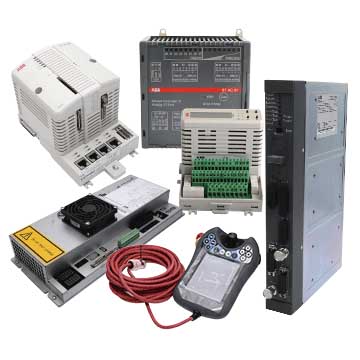





Leave Your Comment