Summary: Real-time stock checks for motion controller parts turn spare-part planning from guesswork into a controlled reliability tool, cutting downtime and protecting critical power systems from avoidable outages.
Why Real-Time Parts Visibility Matters For Uptime
In UPS, inverter, and power protection environments, a down machine often comes back to one missing part: a motion controller board, drive module, or feedback encoder sitting “somewhere” in the network but not where maintenance needs it.
From reliability audits I’ve done in power-heavy plants, the pattern is consistent: great maintenance plans on paper, but no live view of where critical motion parts actually are. A lost controller or actuator kit can extend an outage from hours to days and put SLAs for hospitals, data centers, or industrial campuses at risk.
Inventory research from NetSuite and Interlake Mecalux shows that real-time stock control reduces stockouts, improves service levels, and frees working capital. For motion hardware, that translates directly into lower mean time to repair (MTTR) and fewer “line down” events when power systems are under maintenance or being built.
The business case is simple: treat motion controller parts as reliability assets, not just purchasing line items, and you need live, accurate availability data to manage them.
Technology Stack For Real-Time Stock Checks
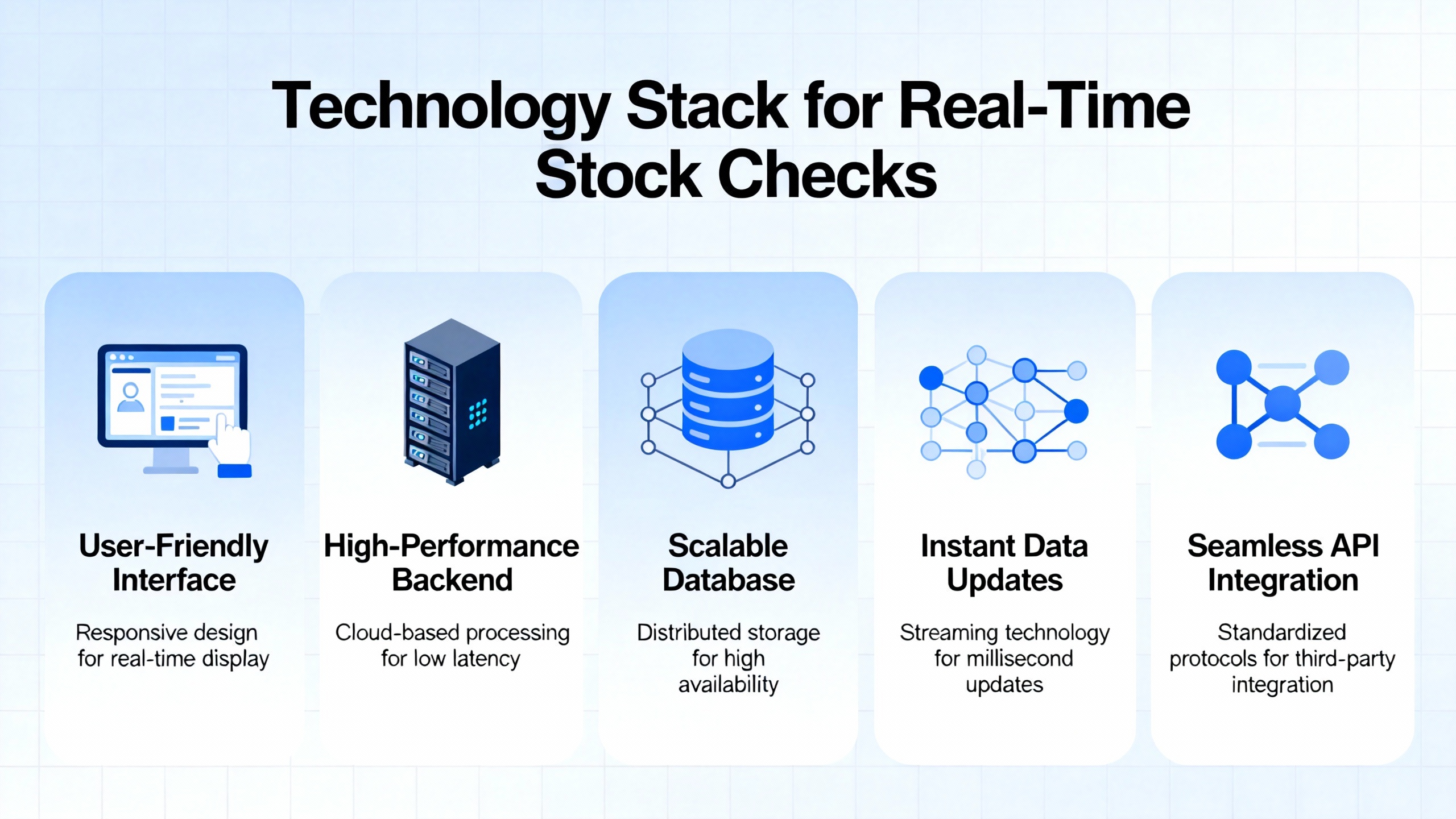
Real-time availability starts with perpetual inventory: every movement of a controller, drive, or linear stage is recorded as it happens, not days later during a physical count. Sources like inFlow Inventory and Erplain emphasize that this is nearly impossible to sustain with spreadsheets.
Core enablers include:
- Handheld barcode/QR scanners and cell phone apps that update stock the moment a part is received, moved to a line-side cabinet, or checked out for a field job.
- A warehouse management system (WMS) integrated with ERP so stock, financials, and work orders share the same data set, as described by Interlake Mecalux and B1Bwise.
- IoT tools—RFID, BLE beacons, and smart shelves—that Xorbix and NetSuite highlight for high-value or mobile items, like controller racks or custom actuators; RFID portals can read many tags at once over 10–15 ft, and BLE beacons can track positions across a warehouse zone of roughly 200 ft.
- Cloud-based, mobile-first platforms (as Sortly and Jillamy describe) to keep depots, field vans, and satellite sites in sync with the main store in real time.
One nuance: vendors use “real-time” loosely; some systems batch-sync every few minutes, which may be fine for slow-moving spares but not for fast-paced maintenance windows. Make the update interval explicit in your requirements.
Build A Control Plan Around Critical Motion Components
Technology without a control plan simply produces prettier dashboards. For motion parts that protect your power availability, you need clear policies, thresholds, and KPIs.
Best-practice inventory guidance from NetSuite and Erplain points to a few essentials: define service-level targets, classify items, and measure performance. For motion control, that means designating A-class parts—controller CPUs, servo drives, feedback encoders, linear actuators, critical cables—and guaranteeing zero stockouts within defined lead times.
A practical starting playbook:
- Map your failure modes: identify which motion components can stop a UPS or inverter line, or block critical testing of power systems.
- Classify spares by criticality and lead time, then set min/max levels for each site and each class.
- Use WMS/ERP rules to trigger automatic replenishment when stock drops below thresholds.
- Track service rate (orders filled on time) and availability rate (parts available vs. required) specifically for motion components.
- Audit high-risk locations regularly (line-side cabinets, service vans) to reconcile physical stock with the “system of record.”
Remote inventory guidance from Sortly reinforces the importance of photos and standardized labels. For motion parts, visual documentation (label photos, connector orientation, firmware version on the nameplate) prevents the wrong board from being pulled under time pressure.
Closing The Loop With Vendors And Engineering
Even with perfect internal visibility, your system is only as resilient as your supply chain. OEM Magazine notes that lead times for motion components have stretched from days to weeks or months, forcing tough tradeoffs between cost, customization, and delivery.
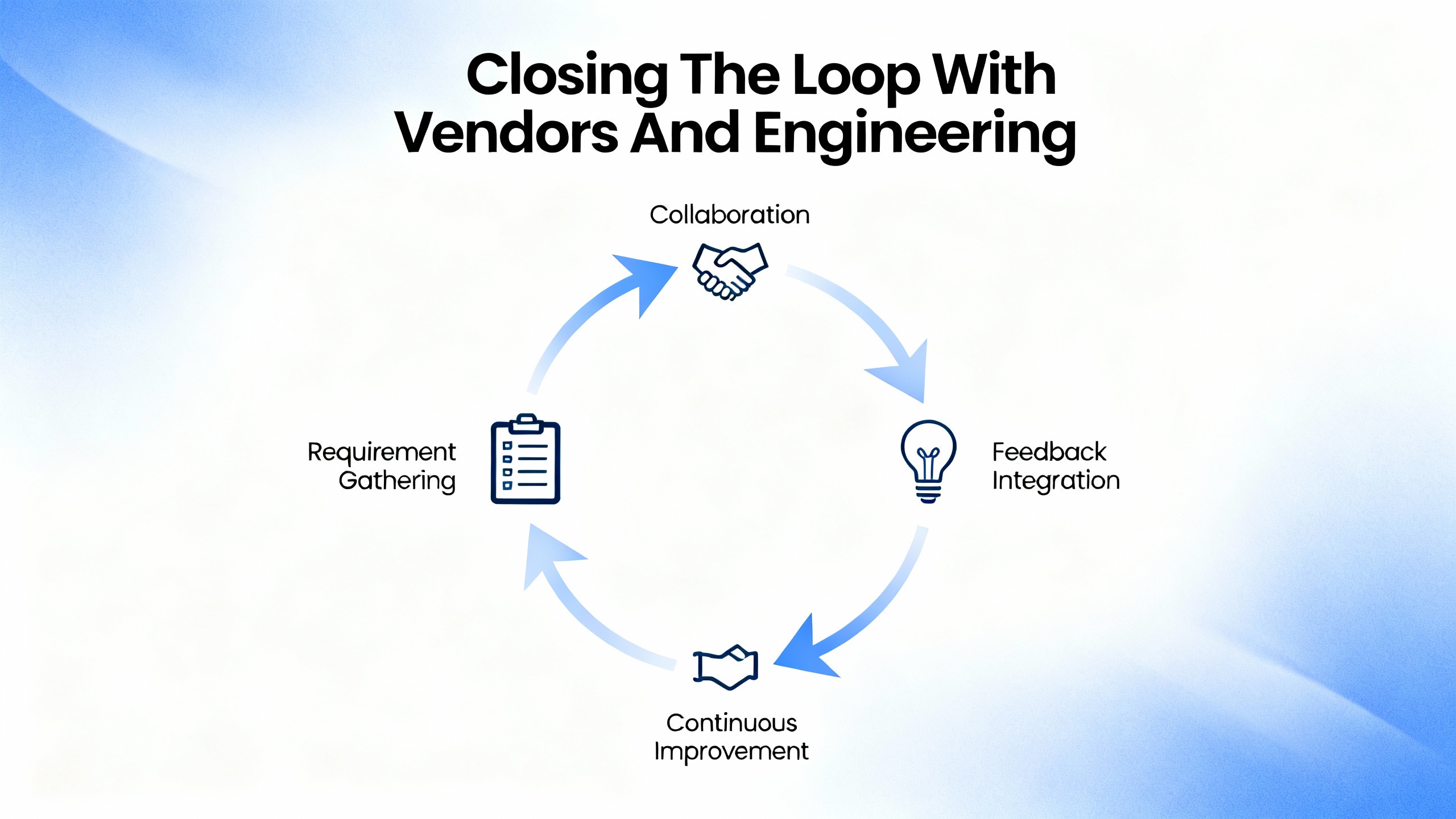
Use your real-time stock data to drive smarter vendor collaboration. Share demand profiles and safety-stock requirements for key controllers and actuators; in return, ask vendors for realistic lead times, “good–better–best” options, and pre-approved alternates that won’t compromise motion performance or power quality.
Online collaboration tools many motion vendors now offer—live CAD reviews, duty-cycle discussions, “good enough” alternate parts—let engineering, reliability, and procurement jointly decide when to accept a standard, available part rather than wait for a fully customized version. For critical power assets, a slightly oversized, in-stock actuator often beats a perfect but late custom unit.
Finally, implement in phases: start with one high-impact motion family (e.g., servo drives for inverter test stands), digitize its stock control end to end, and prove the MTTR and downtime gains. Then roll the same model across other motion and power-protection components. Over time, your “parts stock check” stops being a scramble and becomes a calm, data-driven confirmation that the system is protected before the next outage or maintenance window hits.
References
- https://tsapps.nist.gov/publication/get_pdf.cfm?pub_id=820585
- https://www.automate.org/motion-control/industry-insights/understanding-motion-control-basics
- https://www.oemmagazine.org/engineering/machine-design/article/22684419/managing-the-supply-chain-for-motion-control-components
- https://www.skunexus.com/best-automated-stock-management-system
- https://b1bwise.com/effective-stock-control-with-real-time-inventory-tracking/


 Videos
 News
News Applications







Leave Your Comment