Industrial ecosystems thrive on precision. High-performance components dictate whether a factory remains operational or faces expensive downtime. Honeywell spare parts, particularly memory cards and power modules, serve as the lifeblood of modern automation, providing the resilience required for complex, continuous production environments across the United States.
Power Modules: The Backbone of Reliable Operations
In industrial automation, power delivery remains the most critical factor for system longevity. Honeywell power modules function as the foundational heartbeat of Distributed Control Systems (DCS) and Programmable Logic Controllers (PLC). Without a stable energy flow, even the most sophisticated logic processors fail to execute commands. These modules transform raw electrical input into the precise, filtered currents required for sensitive electronic boards.
Modern manufacturing plants operate under high-stress conditions where electrical noise or fluctuations occur frequently. Honeywell designs its power hardware to filter such disturbances, protecting downstream equipment from damage. When a facility transitions to automated processes, the power module acts as the first line of defense against grid instability. The reliability of these units determines the overall uptime of the entire facility, as a single failure in energy distribution can trigger a cascade of shutdowns across multiple production lines.
Key Benefits of Honeywell Power Modules
Honeywell power solutions offer exceptional thermal management. Heat represents the primary enemy of electronic lifespan. Engineers at Honeywell develop modules with advanced heat sinks and airflow designs, allowing the hardware to function at peak efficiency even in high-temperature environments. Such thermal regulation extends the life of the internal capacitors and transformers, which reduces the frequency of part replacements.
Redundancy capabilities also set these modules apart. Many industrial setups require "hot-swappable" power supplies. If one module experiences a fault, a secondary unit assumes the load instantly without interrupting the system. Such a configuration protects the process from a total blackout. Furthermore, the high energy conversion efficiency found in these spare parts translates to lower operational costs. Less energy is wasted as heat, which lowers the cooling requirements for the electrical cabinets where the hardware resides.
How They Uphold System Stability
Stability stems from consistency. Honeywell power modules provide a ripple-free DC output that remains steady regardless of load changes. In complex systems like the Experion PKS or TDC 3000, consistent voltage prevents logic errors. When voltage drops even slightly, digital components might misinterpret signals, leading to erroneous sensor data or unintended valve movements.
Utilizing these high-grade modules safeguards the integrity of the communication bus. Because the power supply remains clean, signal interference stays at a minimum. Robust grounding features built into the chassis help dissipate static electricity and electromagnetic interference (EMI). These safety measures guarantee that the internal circuitry remains shielded from external noise, keeping the operational logic pure and the production output predictable.
Comparing Honeywell Memory Cards and Power Modules
While power modules provide the energy, Honeywell memory cards provide the intellect. Both components are indispensable, yet they serve vastly different roles within the industrial architecture. One handles the physical electricity, while the other manages the digital instructions and historical logs. Understanding the synergy between these two components allows for a more holistic approach to system maintenance.
Performance and Compatibility
Memory cards in industrial settings differ significantly from consumer-grade SD cards. Honeywell memory cards utilize high-grade NAND flash memory capable of withstanding millions of write cycles. These cards store critical firmware, configuration files, and alarm histories. In the event of a controller failure, a technician can simply move the memory card to a new controller. The new unit then inherits all the settings of the previous one, allowing for a rapid recovery.
Compatibility remains a hallmark of Honeywell’s engineering philosophy. Memory cards are often keyed or formatted specifically for certain PLC generations, preventing the accidental use of incorrect firmware. Power modules, conversely, focus on physical form factors and wattage ratings. While a memory card interacts with the software layer, the power module supports the hardware layer. Both must align perfectly with the backplane of the rack to function. Choosing the correct version of either component requires a deep understanding of the specific model numbers and hardware revisions currently in use at the plant.
Cost Efficiency and Long-Term Value
Investing in genuine Honeywell spare parts yields significant long-term savings. While third-party alternatives might seem cheaper initially, those generic components often lack the rigorous testing standards of the original equipment manufacturer (OEM). A failed generic power module can potentially fry an expensive processor card, leading to repairs that cost ten times the original savings.
Honeywell memory cards offer data persistence that cheaper alternatives cannot match. Industrial environments involve vibration and extreme temperature swings. A standard card might suffer from "bit rot" or physical degradation, leading to a loss of the entire system configuration. Genuine Honeywell cards maintain data integrity for decades. Such durability reduces the total cost of ownership by eliminating the need for frequent replacements and minimizing the risk of catastrophic data loss.
Tips for Choosing the Right Honeywell Components
Selecting spare parts requires a methodical approach. The complexity of industrial automation means that even a minor variation in a part number can lead to incompatibility issues. Procurement officers must look beyond the price tag and focus on technical specifications and provenance.
Factors to Consider Before Buying
First, verify the revision level. Industrial hardware undergoes constant updates. A "Version A" module might not support the features required by a system running "Version C" software. Checking the existing hardware labels for specific revision letters prevents the purchase of obsolete or incompatible stock.
Second, evaluate the environmental rating. If the components sit in a coastal facility, they might require conformal coating to resist salt-air corrosion. If the facility deals with explosive gases, the parts must meet specific intrinsic safety standards.
Third, always confirm the warranty terms. Reliable components usually come with a performance guarantee that provides peace of mind for the maintenance team.
Reliable Suppliers for Honeywell Products
Finding a trustworthy source for industrial parts is as important as the parts themselves. The market contains many "gray market" items that may be refurbished or counterfeit. Partnering with an established vendor like Apter Power provides a layer of security for the supply chain.
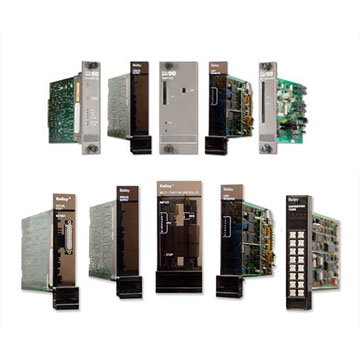
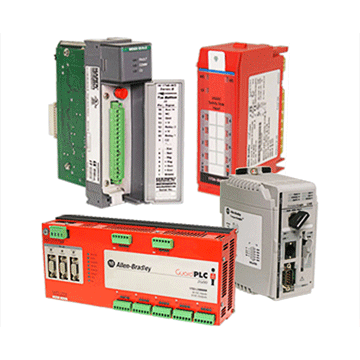
Apter Power maintains an extensive inventory of high-demand Honeywell components, including power modules and specialized memory cards. Their expertise spans across multiple brands such as Bently Nevada, Allen Bradley, and ABB, allowing them to understand how different systems interface with each other. By sourcing from a specialized distributor, US-based companies gain access to expert technical support and faster shipping times. This relationship proves invaluable when an emergency breakdown occurs and a replacement part is needed within twenty-four hours to prevent massive financial losses.
Industrial reliability hinges on the quality of every individual component. Honeywell memory cards and power modules represent a gold standard in durability and performance. Selecting the right hardware and sourcing from reputable suppliers like Apter Power secures the future of a manufacturing facility. These investments safeguard production schedules and protect expensive machinery from the unpredictable nature of industrial environments.
FAQs
Q1. What causes Honeywell power modules to fail most often?
Excessive heat and power surges from the main grid remain the leading causes of failure. While these modules include protection circuits, frequent electrical storms or poor ventilation in the control room eventually wear down the internal components.
Q2. Can I use a standard commercial SD card instead of a Honeywell memory card?
Standard cards lack the industrial-grade wear leveling and temperature tolerance required for DCS environments. Using a commercial card risks data corruption and could potentially void the warranty of the controller.
Q3. How often should power modules be replaced?
Most engineers recommend a proactive replacement cycle every seven to ten years. Even if a module appears to function correctly, internal capacitors dry out over time, leading to less stable voltage output.
Q4. Does Apter Power provide international shipping for these parts?
Yes, they specialize in global logistics, though their focus on the US market allows for rapid domestic delivery. Their inventory includes both new and discontinued items, which helps facilities maintain older, legacy systems.


 Videos
 News
News Applications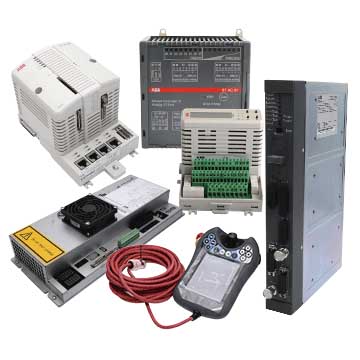






Leave Your Comment