Modern plants run on power quality and control reliability. When a 1756 ControlLogix module fails during a line change or a weekend run, the recovery hinges on two things: a solid spares strategy and a pragmatic view of alternatives that protect safety, uptime, and total cost. With supply chains still uneven and obsolescence creeping into legacy cells, it is no longer enough to know the original part number—you need a decision framework that balances drop‑in replacements, functionally equivalent hardware, and platform‑level options, all while safeguarding the control system behind UPS, inverters, and power protection gear. This article distills field experience from power audits and maintenance windows and cross‑checks it with vendor information from Rockwell Automation support, Industrial Automation Co., NJT Automation, DoSupply, and other reputable sources to help you act decisively when a 1756 module goes down.
What “1756” Means in a Power‑Critical Plant
ControlLogix 1756 systems use a modular chassis where controllers, communication modules, and I/O cards sit on a high‑reliability backplane. Plants choose ControlLogix for multi‑discipline control and routing between networks such as EtherNet/IP, DeviceNet, and ControlNet. In typical deployments, the chassis and critical communications live on conditioned power from a double‑conversion UPS protected by proper surge and grounding; that is not a luxury but a reliability baseline. DoSupply’s technical material highlights wide communications support, removable terminal blocks that simplify maintenance, and environmental expectations in the 32–140°F range for many modules, plus the reality of fault modes your team will actually see: major faults, recoverable faults, and port‑level issues that present as LED codes. Those details matter because a well‑chosen replacement gets you back online quickly, but a well‑designed protection envelope keeps you from repeating the failure.
Replacement Versus Alternative: A Decision Framework
When a 1756 module fails or becomes unavailable, you can think in four practical lanes. The first is a like‑for‑like swap, ideally a factory‑sealed unit from an authorized channel; under persistent shortages, this often means working with vetted distributors that specialize in urgent spares. The second is a same‑function successor or related Rockwell module, sometimes with a firmware or configuration tweak and occasionally a faceplate or wiring adaptation. The third is a non‑OEM, drop‑in compatible component, which can be effective for consumables such as batteries when you verify the part number, series, and electrical characteristics and understand the warranty implications. The fourth is a functional alternative at the system level, for example migrating an older small‑system PLC to a modern platform or offloading a function to a dedicated device that integrates natively with Logix. eINDUSTRIFY’s market analysis underscores that smarter, connected control and predictive maintenance are driving upgrades across industries, which is both a sourcing challenge and an opportunity to solve chronic failure modes with better technology.
| Option | What it is | Downtime impact | Technical risk | Cost trend | Pick this when |
| OEM same part via specialized distributor | Identical 1756 module, often new or refurbished with inspection | Lowest if stocked | Low when series and firmware match | Variable with scarcity | Uptime is paramount and you must avoid revalidation |
| OEM successor within Logix family | Rockwell replacement or migration path with minor changes | Low to moderate | Low to moderate depending on firmware and feature parity | Typically stable | The original is unavailable and you can accept small configuration changes |
| Non‑OEM consumable or compatible item | Third‑party equivalent such as a 1756‑BA2 battery | Very low | Low to moderate; verify series and specs | Often favorable | The function is commodity, you confirm compatibility, and warranty impact is acceptable |
| Functional or platform alternative | Shift function to another device or migrate to another controller family | Moderate to high initially | Moderate; integration and validation required | Long‑term savings possible | Chronic failure, obsolescence, or performance limits justify a redesign |
NJT Automation describes a disciplined RFQ‑to‑shipment process and inventories spanning millions of parts with inspection and certification before normal dispatch. Industrial Automation Co., a veteran‑owned U.S. distributor recognized in the Inc. 5000, emphasizes deep technical support and rapid response for urgent replacements. Those are credible lanes to keep line risk low when OEM channels are constrained.
Common 1756 Items and Practical Alternatives
1756‑EN2TR EtherNet/IP bridge module
This module is a workhorse communications bridge with a 10–100 Mbps rate and an embedded switch that enables topologies such as Device Level Ring for resilience. The simplest path is a like‑for‑like replacement sourced through a reliable parts network. NJT Automation notes availability and multiple alternative part formats as commonly used by buyers, which is relevant when searching across vendor catalogs. From a reliability perspective, you get the most out of EN2TR by pairing it with a UPS‑backed control supply, clean grounding, and a ring topology to ride through single point failures. DoSupply’s issue lists and repair coverage on communications ports and fault triage remind us to validate cabling, firmware, and LED states before condemning the module; half of the “bad module” calls in the field end up being network or power conditioning issues.
1756‑L8SP GuardLogix safety partner
For GuardLogix L8 controllers, the L8SP safety partner is mandatory; you do not run safety logic without it. NJT Automation catalogs it as active and available with the usual RFQ, inspection, and shipment flow. In practice, your best alternative here is a second L8SP spare with known firmware alignment to your safety controller, stored in antistatic packaging, and periodically verified for readiness. Swapping platform families is rarely an acceptable alternative in safety because of validation and compliance burdens; this is one case where a like‑for‑like spare and rigorous power protection are the real risk reducers.
1756‑BA2 battery and non‑OEM equivalents
Controller memory backup and clock stability depend on the right battery. A third‑party battery marketed as compatible with the 1756‑BA2 is an option many plants use effectively when they must shorten lead time. The Amazon‑listed BORNMIO option cites a 1,200 mAh capacity and explicitly calls out supported controllers in the 1756‑L6x/B family and safety variants, with “Series B” as the hardware revision to match. The practical rule is simple: read the controller nameplate, confirm the exact series and connector, and compare the battery’s voltage and capacity against the manual before you buy. Replace as preventive maintenance, not after a fault, to avoid memory or RTC loss. If you are running a 24 VDC control supply backed by a UPS, align battery service with electrical PMs so you do not uncouple backups and firmware work.
PanelView HMI repair parts
When a PanelView’s touch membrane or keypad fails, replacing the entire HMI is costly and may introduce unexpected driver or resolution changes. PLCCable catalogs model‑specific touch screens, overlays, digitizers, and keypads and provides DIY guidance that many MRO teams already follow. If the HMI core electronics are fine, a targeted repair restores operability quickly and keeps SCADA or operator training unchanged. Plan ESD handling, confirm the exact PanelView model, and document the change in your maintenance records like any other safety‑related intervention.
When a 1756 module is no longer available
Rockwell Automation support often routes legacy controller users to modern platforms. A support case study highlights PlantPAx, a DCS platform, as a migration destination for process plants seeking integrated safety, visualization, and information. While that example is not a one‑to‑one 1756 module replacement, the lesson is relevant: if an obsolete module guards a critical function and availability is poor, a planned migration can reduce environmental and safety risk while improving uptime. The first stop in any migration is the official migration guide and compatibility tools from Rockwell Automation support, where you verify I/O, communications, physical footprint, and program conversion steps before you commit.
Power Protection Makes or Breaks Replacement Success
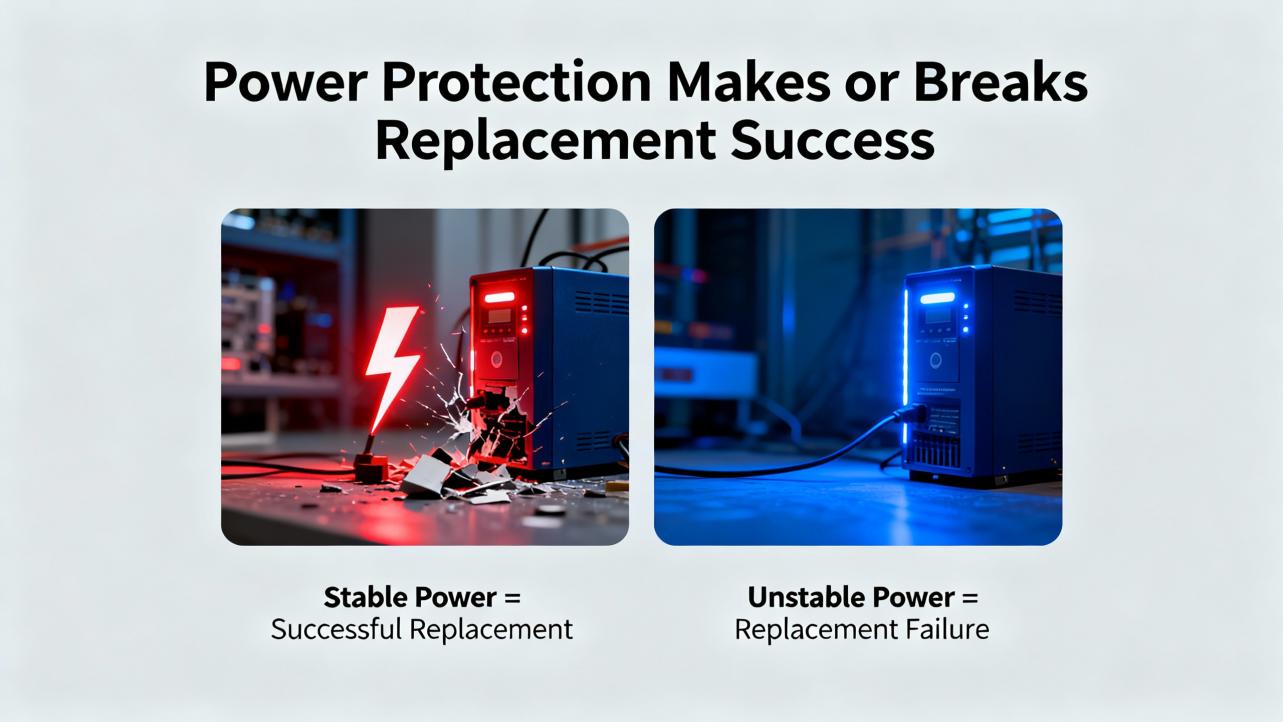
From a reliability advisor’s lens, the best replacement part fails quickly if control power and network protection are weak. Place the 1756 chassis and communications on an online, double‑conversion UPS sized for run‑time and inrush, and verify surge suppression and grounding. For AC drives and high‑inertia loads, Allen‑Bradley PowerFlex 40P literature from Industrial Automation Co. describes DC bus ride‑through and shared DC bus features that keep motor control alive through short disturbances. While that is a drive‑side feature, it illustrates the broader tactic: allow energy storage to bridge sags and keep the controller’s heartbeat stable through fast transients. Many of the controller‑side major faults listed by DoSupply correlate with brownouts and inrush events. In field audits, moving a control cabinet from a standby UPS to a double‑conversion unit and cleaning up neutrals reduced nuisance trips far more than swapping electronics ever did.
Procurement Playbook Under Supply Constraints
When time matters, the RFQ content determines your odds of receiving a truly compatible part the first time. NJT Automation lays out a simple RFQ‑to‑invoice flow with response targets during business hours and options for next‑day air. Use that cadence and include the exact part number, required series, firmware band, desired condition (unused surplus, refurbished, used), and any accessories such as terminal blocks. Note that some distributors ship direct and do not allow local pickup, which is helpful when you are consolidating shipments across sites. Industrial Automation Co. emphasizes rapid technical help; leverage that to clarify subtle compatibility issues before you authorize payment. If your plant carries insurance or regulatory obligations for safety hardware, get a statement of authenticity and inspection details in writing.
Commissioning Without Surprises
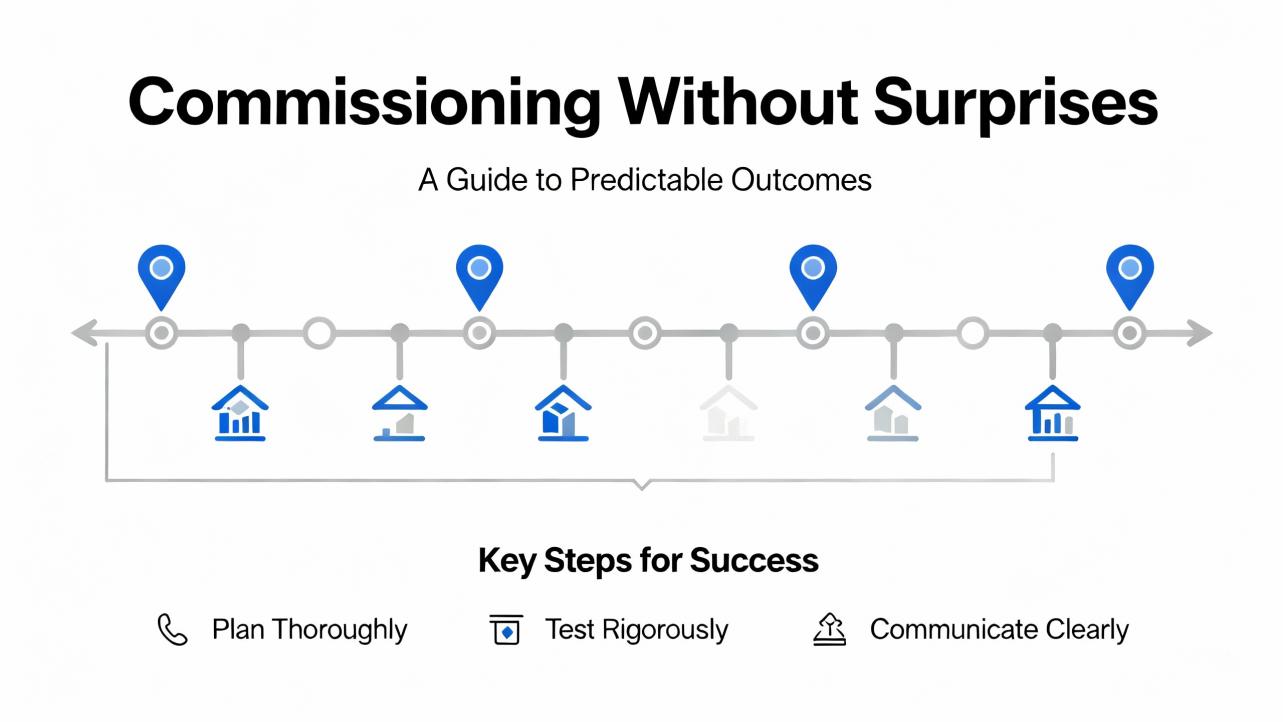
Replacing communications or safety modules invites configuration drift if you do not follow a simple discipline. First, snapshot the module configuration and chassis layout before removal. Second, validate your network topology after the swap; if you are running a ring with an embedded switch, confirm forwarding behavior and check link partners. Third, verify firmware expectations and fault codes on first power; DoSupply’s guidance to read LED states and fault types before you guess is understated wisdom. Fourth, perform a short run on UPS power to simulate abnormal transitions and watch for recoverable faults. Finally, document the change, including any revised spare inventory, so your next callout has a clear starting point.
Selected Parts, Alternatives, and Notes
| Item | Primary replacement path | Viable alternative | Integration notes | Source |
| 1756‑EN2TR EtherNet/IP bridge | Like‑for‑like EN2TR with matched series and firmware | Temporary use of another EN2T‑class module if network load and features allow | Verify Device Level Ring and embedded switch behavior after swap | NJT Automation, DoSupply |
| 1756‑L8SP safety partner | Identical L8SP aligned to controller firmware | None recommended outside the GuardLogix family due to validation | Keep one spare per safety controller for fast recovery | NJT Automation, Rockwell Automation support |
| 1756‑BA2 controller battery | OEM 1756‑BA2 | Third‑party equivalent with matching series B and connector | Replace during scheduled PM to avoid memory/RTC loss | Amazon listing, DoSupply |
| PanelView touch/keypad | Matching repair part for exact model | Full HMI replacement if electronics are faulty | DIY repair reduces revalidation and keeps screen layouts | PLCCable |
| Legacy small PLCs | Drop‑in MicroLogix replacement if available | Migration to a modern platform or DCS when lifecycle demands | Validate I/O, comms, and conversion with official tools | Rockwell Automation support |
Platform Alternatives: When the Right Answer Is Outside 1756
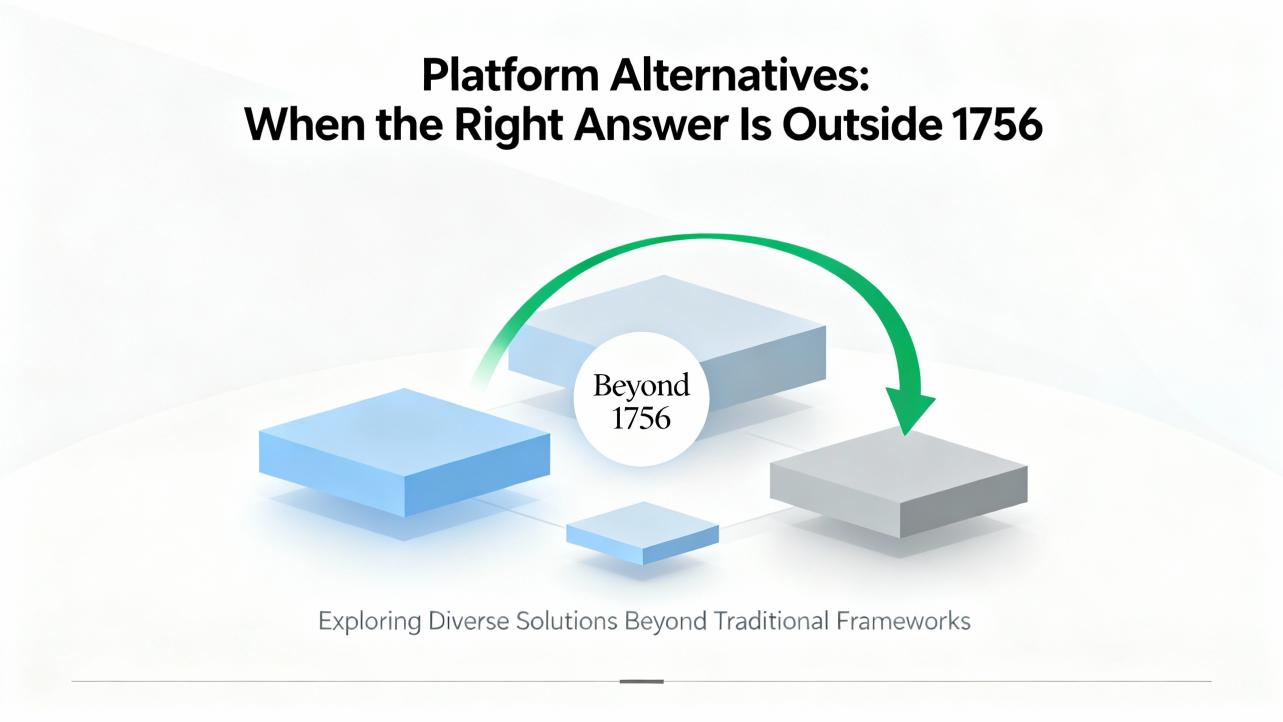
There are legitimate cases where the most reliable path is not a 1756‑series module at all. For motion or machine‑level control that does not need the full ControlLogix footprint, some plants standardize complementary platforms where it makes sense. Beckhoff’s catalog of industrial PCs, embedded controllers, remote I/O, and motion offered under Prosource shows a cohesive stack that can serve specific machine cells while remaining networked to plant SCADA. In water treatment and other utility contexts, integrator commentary from J Mark Systems contrasts cost‑oriented components with Allen‑Bradley’s enterprise‑grade features and diagnostics. The lesson is to match the platform to the function and the team: use ControlLogix for complex, multi‑discipline systems with embedded safety and diagnostics, and consider fit‑for‑purpose controllers or PC‑based controls for standalone machines that value cost and flexibility.
Care, Storage, and Maintenance of Spares
Keep spare 1756 modules in antistatic packaging, humidity‑controlled storage, and out of vibration. Rotate inventory and record firmware to avoid surprises when a long‑sitting spare goes in. Controllers and communication modules with electrolytic capacitors benefit from periodic power‑up under safe conditions to maintain dielectric health; if your site has an electrical maintenance calendar, include a powered check that does not interfere with production. Batteries should be replaced proactively on a schedule, aligned to your controller manual’s guidance. Where storage temperature is specified for the module family, follow the manufacturer; in the absence of a published storage spec, mirroring the common 32–140°F operating envelope is a cautious starting point, with moderate confidence that it avoids condensation and thermal stress.
Buying Tips That Protect Uptime
Authenticity, warranty, and return rights are not niceties when the line is at risk. Distributors like Industrial Automation Co. and NJT Automation highlight genuine products and inspection; align your purchasing criteria to those claims and capture them in the RFQ. If you consider a non‑OEM battery or a used module, ask for clear photos of labels and connectors and match part and series exactly. For HMIs and accessories, rely on model‑specific parts from reputable sources such as PLCCable that document compatibility and include installation guidance. If you are buying through a marketplace, review seller performance and confirm shipping and lead time; a “ships today” item that arrives after a weekend costs more than its price tag. Rainhill Logic’s focus on legacy and used parts is a reminder that your surplus policy can feed someone else’s uptime and reduce e‑waste; conversely, others’ surplus can keep your legacy cells running during planned migrations.
Pros and Cons of Each Sourcing Route
Sourcing the identical 1756 module through a specialist distributor is the lowest risk in terms of validation and operator training, but you may pay a premium during tight supply, and you must be vigilant about series and firmware alignment. Choosing a successor module within the Rockwell family keeps you in an integrated ecosystem with strong diagnostics and support, but it may require small changes to code or wiring and a careful commissioning plan. Non‑OEM consumables such as batteries reduce cost and lead time, yet require diligence on compatibility, and they place the burden of reliability on your incoming inspection and preventive maintenance schedule. Functional alternatives, including offloading tasks to drives with robust ride‑through features or migrating to modern controllers, are the most work up front; in exchange, they often eliminate chronic failure modes and reduce long‑term downtime and total cost.
Real‑World Commissioning Advice from Reliability Work
In power‑sensitive lines, the best acceptance test for a communications or safety replacement is a simulated disturbance under controlled conditions. After confirming basic operation, perform a brief UPS discharge test to see how the controller and network recover when line power sags, then restore and check for silent faults. Verify that EtherNet/IP devices re‑establish connections, that Device Level Ring converges rapidly, and that safety logic stays deterministic. If a module has a history of intermittent faults tied to HVAC or large motor starts, coordinate with facilities to repeat those conditions while you watch LED behavior. These steps are simple, but they turn a reactive swap into a reliability upgrade.
Short FAQ
Can I use a non‑OEM battery instead of a 1756‑BA2?
Yes, many plants use third‑party batteries effectively when they verify the exact controller model and Series, match the connector and voltage, and accept the warranty implications. The Amazon‑listed BORNMIO example explicitly targets 1756‑L6x/B and related controllers. Replace proactively during scheduled maintenance to protect memory and the real‑time clock, and record the battery’s installation date in the controller door or CMMS.
Is a 1756‑EN2TR a strict requirement for Device Level Ring, or can I substitute another module temporarily?
The EN2TR’s embedded switching supports topologies such as a ring with resilience through a single break. In a pinch, you can sometimes use another EN2T‑class module for basic connectivity if load and features allow, but you should validate topology behavior, forwarding performance, and fault handling before returning the line to normal production. When uptime matters, a like‑for‑like EN2TR remains the prudent choice.
When should I consider migrating instead of replacing a hard‑to‑find 1756 module?
If availability is poor, the function is safety‑critical, or the module is the last of its line, it is reasonable to plan a migration to a supported Rockwell platform. Rockwell Automation support provides migration guides and tools to validate I/O, communications, physical footprint, and program conversions. For process plants seeking integrated safety and visualization, a PlantPAx‑based approach has proven effective in case studies.
Do repair parts for PanelView HMIs make sense, or should I replace the entire HMI?
When the failure is a touch membrane, digitizer, or keypad and the core electronics are sound, a model‑specific repair is fast, economical, and avoids unintended changes to graphics or drivers. PLCCable documents DIY repair parts and steps, and many maintenance teams already treat these as normal wear items. Replace the full HMI when the electronics are unstable, the display controller fails, or your platform roadmap justifies the change.
Do I need special power protection just for the replacement module period?
If your control system deserves a UPS and surge protection long‑term, it deserves them most during replacement and commissioning. Short sags during equipment restarts or HVAC cycles are common fault triggers. An online UPS with proper grounding and surge suppression gives you a stable envelope to validate the replacement, and it reduces nuisance trips later.
Takeaway
A ControlLogix 1756 failure is not the moment to start exploring your options. Decide ahead of time where you will prefer a like‑for‑like swap, where a successor module is acceptable, where a non‑OEM consumable makes sense, and where a functional alternative is worth the engineering effort. Back the electronics with serious power protection, keep your RFQs precise, test in a way that simulates real disturbances, and document everything. Distributors such as Industrial Automation Co. and NJT Automation, along with Rockwell Automation support guidance and field‑proven repair sources for HMIs, provide credible paths to shorten downtime. In the end, the best replacement is the one that gets you running and keeps you running, and that requires both the right part and the right protection.
References
- https://www.prosource.org/category/controls-software-and-components/controls-software-and-components
- https://www.plctalk.net/forums/threads/choosing-an-allen-bradley-plc-to-learn-on.70650/
- https://www.automationreadypanels.com/?srsltid=AfmBOoo-l1oq2feGr_sxyds8vHClWpRTYm9zinI_NYrPpH5sik3GODqH
- https://www.classicautomation.com/?srsltid=AfmBOoqwivnFMLs9YYg3PyL3ayuJvpJoC0PsasSB1sAOagdnxuBjypfN
- https://industrialautomationco.com/?srsltid=AfmBOooAU1bbEiJKq6FFUp93TFnAjxJ4gx_-X6TveUrXbo3gqWrLdShI
- https://www.plchardware.com/default.aspx?man=rockwell+automation&srsltid=AfmBOoqgZ0_zdkPvwyJHQMvTxVHDXyDLSTUAZu0c3aY6JQQZbgW4bSYE
- https://rainhilllogiccontrols.com/
- https://staging.aircada.com/blog/plc-alternatives
- https://www.bbntimes.com/technology/automation-parts-brands-that-are-reliable
- https://www.ebay.com/itm/205642828036?chn=ps&mkevt=1&mkcid=28&google_free_listing_action=view_item


 Videos
 News
News Applications





Leave Your Comment