Keeping ABB drives healthy is about more than clearing the occasional trip. It’s about safeguarding uptime on the systems that matter most—fans moving air through an office tower, pumps pushing water in a treatment plant, conveyors feeding a packaging line. As a power system specialist who has commissioned, tuned, and repaired ABB drives in pump rooms, mechanical spaces, and MCC lineups, I’ve learned that most “mystery” trips aren’t mysteries at all once you approach them methodically. This guide blends field-proven practice with reputable guidance from ABB-focused repair/service providers, drive specialists, and test-instrument experts to help you diagnose fast and fix once.
Industrial motors consume the majority of industrial electricity, and variable frequency drives are a primary lever to curb waste and optimize processes. That energy reality is echoed by integrators and distributors such as Winn-Marion Companies. Reliability, however, hinges on good fundamentals: clean power, correct parameters, honest measurements, and cooling that actually cools. The sections that follow show you how to get all four right.
How ABB VFDs Work And Why Faults Happen
A VFD takes fixed-frequency AC, rectifies it to DC, stores energy on a DC bus, and then inverts the DC back to variable-frequency AC that sets motor speed and torque. Modern ABB families—ACS560, ACS580, ACS800, ACS880 among others—wrap that power stage with control, protections, and logs so a fault is rarely silent. When voltage dips, the DC bus sags; when you decelerate a high-inertia load too aggressively without a braking path, bus voltage spikes; when friction spikes on a conveyor, output current jumps. A clear mental model of rectifier, DC bus, inverter, and motor makes the symptoms easier to decode.
A practical yardstick helps: on a typical 480 V input system, a healthy DC bus will be roughly in the high‑600 V DC range at steady state. You don’t need to calculate anything to use this as a reality check. If you see a bus that is materially low, you could be chasing line or rectifier issues; if it is repeatedly high during decel, you likely need braking hardware or a longer ramp.
Safety, Preparation, And Measurement Accuracy
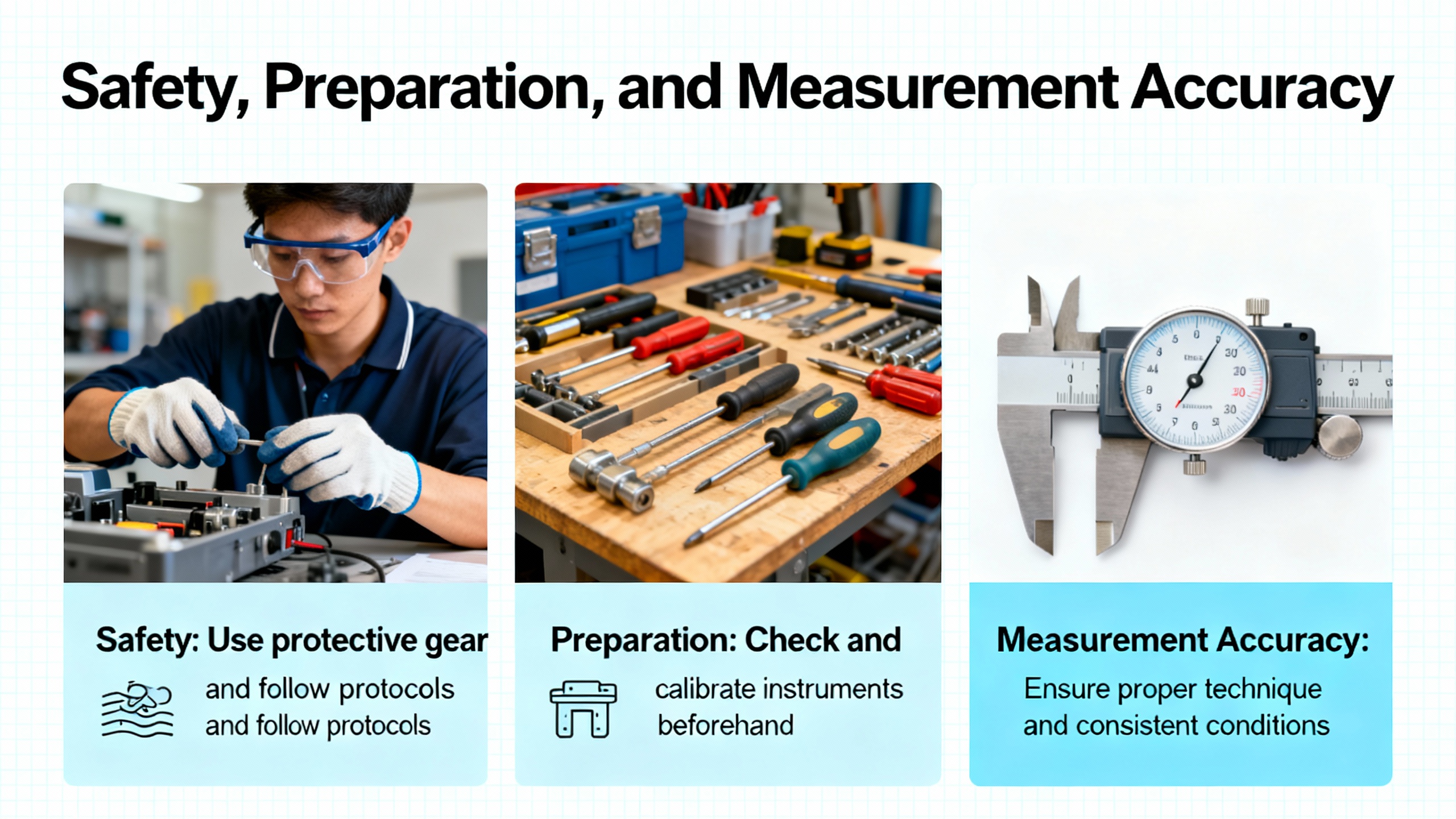
Before a single probe touches a conductor, lock and tag energy out and allow the DC bus to discharge fully. ABB’s electrolytic capacitors can hold charge. When you do measure, use a meter that reads what the drive really outputs. Standard averaging meters can be far off on non‑sinusoidal waveforms; Fluke notes that non‑RMS instruments can be off by a large margin on VFD outputs. In practice, that can mislead troubleshooting, particularly on the drive’s PWM output, so rely on a true‑RMS, VFD‑rated meter. For bus checks, set your meter to DC and measure across the DC bus terminals. For input checks, measure phase‑to‑phase and compare phases; big phase imbalances tend to predict trouble.
Pay equal attention to the basics. A loose lug can masquerade as an intermittent trip. Vibration loosens hardware over time; thermal cycling accelerates it. A torque wrench and a good light save hours.
Fast Triage Using Drive Diagnostics
Start with what the drive is telling you. ABB keypads and HMIs on series like ACS355, ACS580, and ACS880 show both a code and a description. Newer series pair those with deeper diagnostics and event history via ABB’s Drive Composer, including timestamps that let you correlate a trip with a process change or a power event. Delta Automation emphasizes how quickly you can narrow the field when you read the fault and look at what changed just before it—accel, decel, load step, heat, or a communication action. In my experience, pulling the last few days of the event list and overlaying it with operator notes is one of the quickest ways to get causal, especially when faults tie to maintenance activity, recipe changes, or weather‑driven cooling issues.
Common ABB Fault Codes And What To Do
Use the code, the short description, and the time it occurred to decide where to look first. The examples below reflect recurring ABB faults and field actions summarized by drive specialists at Delta Automation and echoed in service practice.
| Code | Condition shown | Typical root causes | Field actions that work |
| F0001 | Overcurrent | Sudden load increase, mechanical binding, output short, accel too aggressive | Inspect driven machine for jams or friction; lengthen acceleration time; verify motor data and torque limits; inspect output wiring and terminations |
| F0002 | Overvoltage | High line voltage; aggressive decel with no braking path; regenerative loads | Add or test a dynamic braking resistor; extend deceleration time; verify incoming power quality |
| F0003 | Undervoltage | Input dips; missing phase; loose mains | Confirm stable three‑phase supply; tighten mains; replace blown fuses |
| F0005 | Device overtemperature | High ambient, blocked airflow, dirty cooling path | Clean vents and fans; restore clearances; improve enclosure ventilation |
| F0010 | Motor stalled | Load too heavy; wrong torque limits; motor cannot reach set speed | Check for mechanical jams; confirm motor sizing and torque settings; test motor windings |
| F0022 | Earth fault | Ground fault on motor or output cables | Insulation‑resistance test with a megohmmeter; inspect cable jackets and terminations; correct wiring |
| F0023 | Internal fault | Control board or firmware issue | Power‑cycle to clear transient; if persistent, contact ABB service for repair or replacement |
Treat the table as a jumping‑off point. Every action increases or decreases the likelihood that a cause is in‑play; the goal is to narrow rapidly and test what your eyes, meter, and event log suggest.
When The Meter Disagrees With The Display
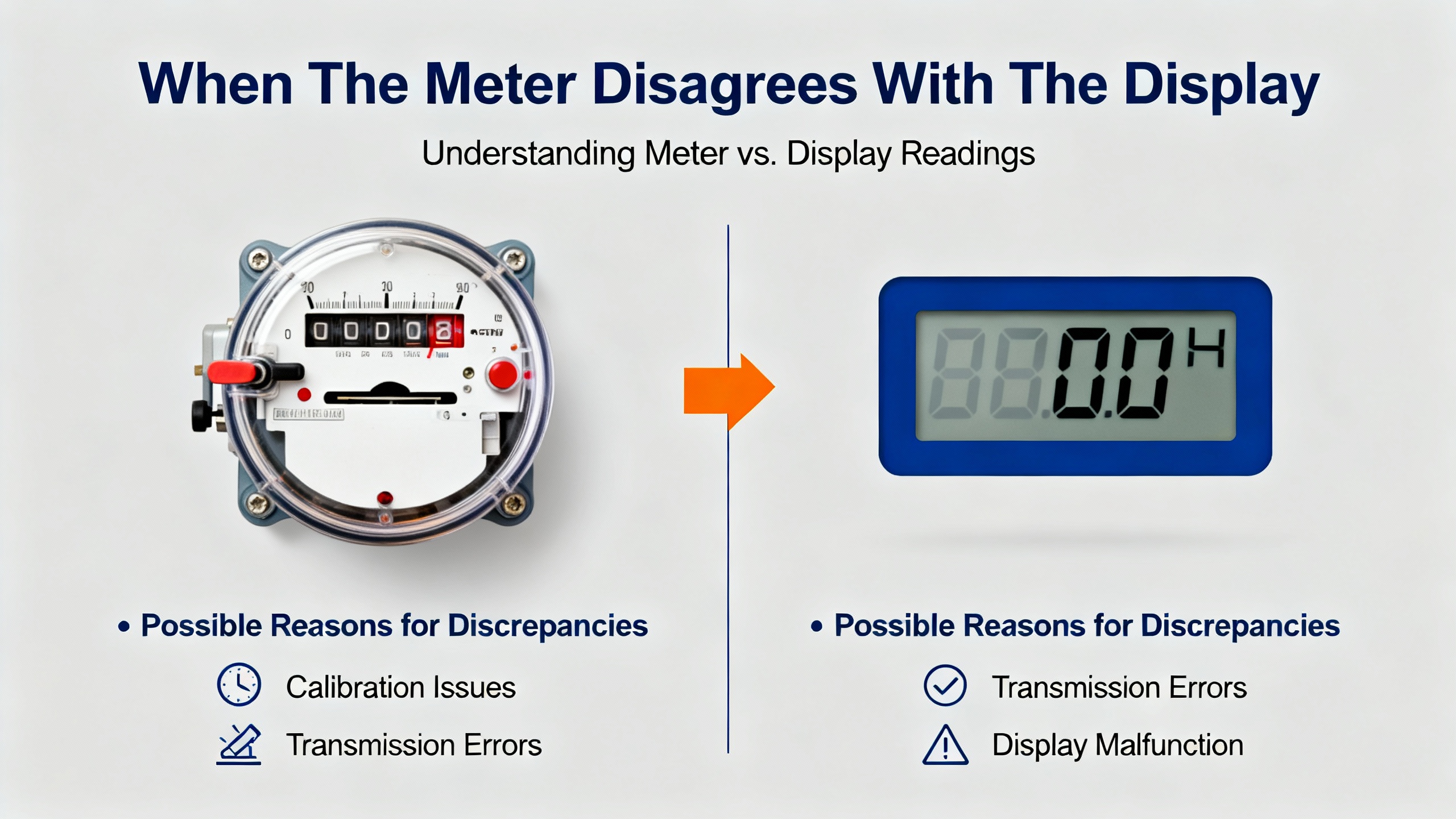
A situation that throws many teams: the drive reports high current and trips, while a clamp meter on the output shows a few amps. A well‑discussed case in the Mike Holt community demonstrated two ways this happens. First, a standard clamp can under‑read the drive’s PWM output unless it is truly designed for VFD waveforms. Second, drive configuration matters; enter the wrong motor data or control mode and the drive can interpret its own measurements poorly. In a water‑pump application that had sat idle since installation, the quick path to the truth was to uncouple the pump, run the drive’s motor identification routine (static or rotational as specified for the control mode), verify motor nameplate entries, and retest with a true‑RMS, VFD‑rated meter. If all those check out and the discrepancy persists, suspect a failed current‑sensing circuit inside the drive.
Power Quality, Thermals, And Enclosures
Many “drive problems” are site problems. Overvoltage trips are common when a facility decelerates a high‑inertia load without a braking resistor, and undervoltage during brownouts can look like a bad drive until you trend the mains. Heat is the silent killer. Consulting‑Specifying Engineer outlines how dust accumulation and hot enclosures push drives past thermal limits, triggering nuisance trips and shortening life. ABB and service partners such as Inverter Drive Systems emphasize preventive cleaning of heat sinks and fans and the practical difference between NEMA 1 (vented) and NEMA 12 (sealed) enclosures: vented cabinets breathe dust unless the room is clean, sealed cabinets put the onus on you to maintain filters and airflow.
I’ve seen a drive operate for years in a clean, cool NEMA 12 cabinet while the identical model, mounted in a hot mezzanine with a grimy NEMA 1, struggled through summer afternoons. Layout matters. Respect clearances, give hot air a way out, and keep the intake path clean. Those simple steps prevent a lot of F0005 trips.

Mechanical Problems That Look Electrical
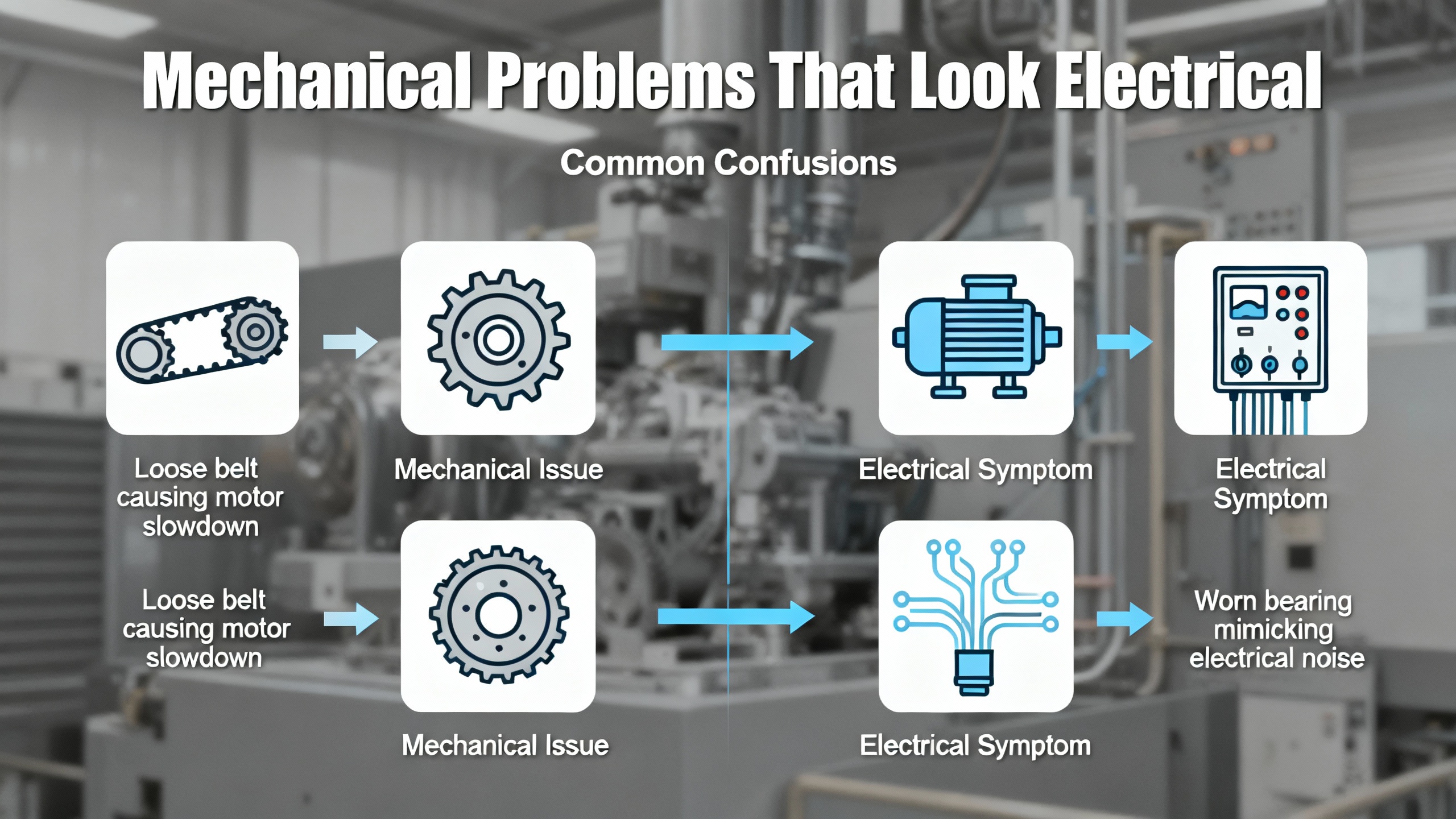
Variable speed surfaces mechanical truths you never noticed at fixed speed. A pump that hummed for years at 60 Hz may rattle at 42 Hz because a torsional resonance lives there. A case history published via Academia describes vibration and chatter tied to torque ripple and resonance zones in current‑source inverter applications; while your ABB drive likely uses a different inverter topology, the lesson holds. The mechanical system—shaft, coupling, and impeller—has natural frequencies, and VFD operation will cross them. The cure is not a heavier hand with the parameters. It’s better commissioning: identify resonance bands during initial runs, apply output filtering where appropriate, tune ramp rates, and avoid camping the process at an “excited” speed. If vibration and electromagnetic noise appear only near specific speeds and loads, think rotor dynamics before you blame firmware.
A Field‑Proven Diagnostic Workflow
Good troubleshooting respects order. Begin with safety and a visual once‑over: condensation, corrosion, dust, and loose hardware often tell the story before a meter does. Read the drive’s active fault and the last dozen events, and write down the time of each. Correlate those with when the operator changed a setpoint or a process step occurred. If power is present, compare phase‑to‑phase input voltages and then confirm the DC bus is in the expected band for your input. If the drive trips on accel, lengthen the ramp as a test and uncouple the load to separate mechanical from electrical causes. If it trips on decel, add or enable braking hardware and try a gentler ramp. For earth‑fault or leakage problems, isolate the motor and cable and test insulation with a megohmmeter. If you suspect control noise or misreads, back up parameters, perform a motor ID/auto‑tune with the pump uncoupled, and verify control mode and motor nameplate entries.
There are times when a multimeter is not enough. Fluke details how noise, harmonics, and transients can be invisible to a handheld meter even when they drive your trips. If your symptoms line up with those issues—random comms loss, intermittent nuisance trips, or heat with no obvious cause—use an oscilloscope to watch actual waveforms on the input, DC bus, and output, and to confirm carrier settings and wiring practices are not creating EMI headaches.
Symptom‑Driven Checks, Tools, And Corrections
The table below turns common complaints into actionable next steps, with the “why” and “how” side by side. Use it to build momentum quickly on a service call.
| Symptom or alarm | What this usually means | What to check next | Useful tool |
| Trips on accel with F0001 | Overcurrent from friction, binding, or too‑short ramp | Spin the machine by hand where possible; check sprockets, belts, product jams; extend accel | True‑RMS clamp, mechanical inspection |
| Trips on decel with F0002 | Bus overvoltage from regen energy | Verify braking resistor present and sized; test resistor; extend decel | DMM on DC bus, thermal scan on resistor |
| F0005 with light load | Poor cooling, dust, blocked path, hot enclosure | Clean heat sinks/fans; confirm filters and clearances; lower ambient | Vacuum/air, infrared thermometer |
| F0022 earth fault | Insulation breakdown or pinched cable | Megger the motor and cable; inspect terminations and routing | Megohmmeter, visual inspection |
| Drive shows very high current; clamp shows low | Wrong meter for PWM; parameter scaling; failed current sensor | Repeat with VFD‑rated, true‑RMS meter; verify motor data and control mode; consider sensor fault | True‑RMS meter, parameter audit |
| Intermittent comm alarms | EMI, grounding/shielding issues, or misconfig | Verify shield terminations, cable routing away from power; match baud/parity; review logs | Scope for noise; config review |
Care And Maintenance That Prevents Failures
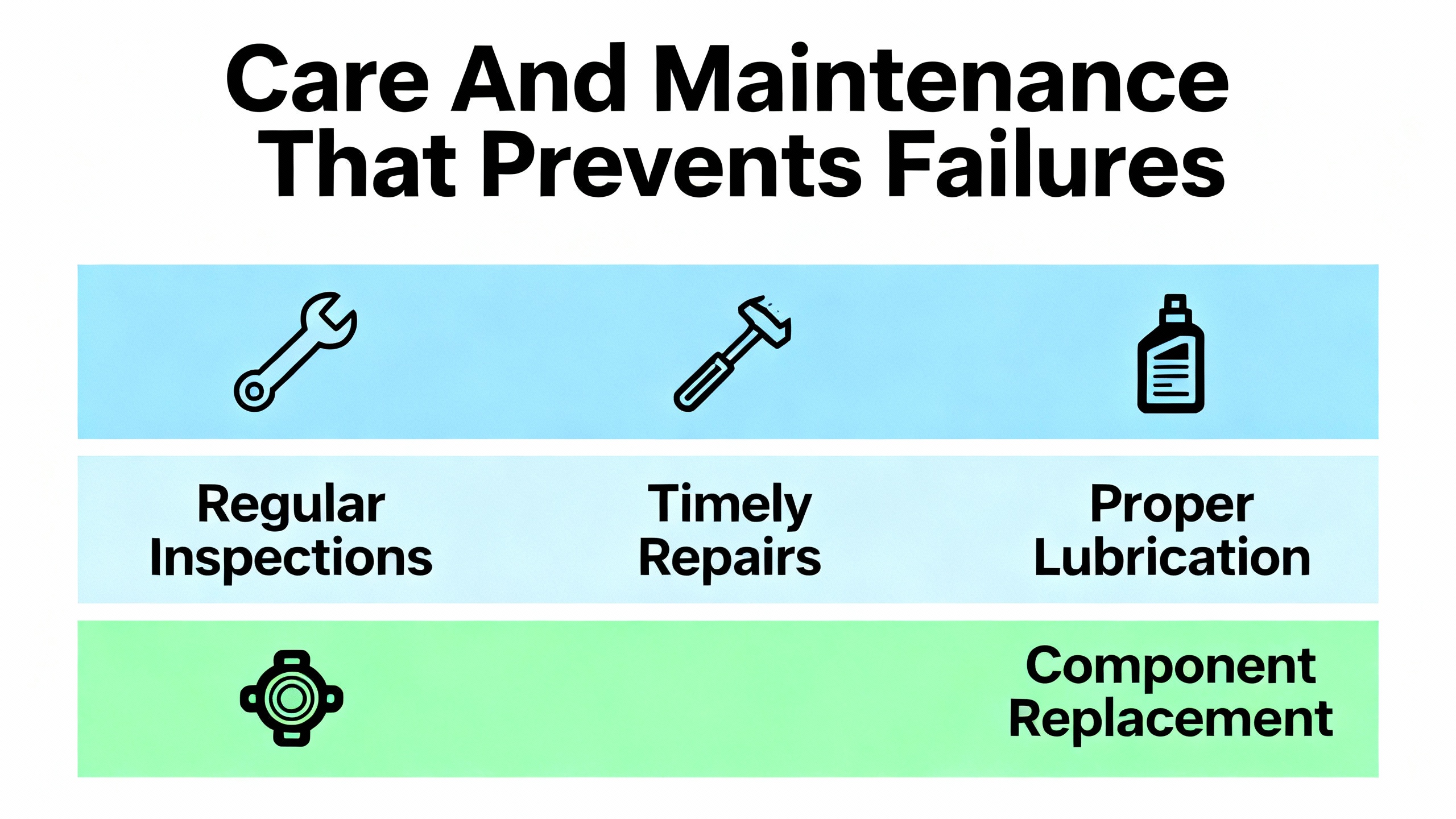
Proactive care is cheaper than reactive repair. Consulting‑Specifying Engineer highlights the value of weekly visual inspections and cleanliness. Service providers such as Inverter Drive Systems describe ABB‑aligned preventive maintenance programs built on annual inspections and timed parts replacement. Cooling fans, for example, may deserve yearly inspection and scheduled replacement in roughly three‑year intervals in many environments, while filters need cleaning or replacement as conditions dictate. Torque‑check mains and motor terminations, clean the cooling path, and then power up and verify correct run. Back up the parameter set before and after any service, and file the service report and parameter printout. That paperwork is not red tape; it is how you avoid re‑creating a trip that someone already solved last summer.
ABB’s own service guidance and third‑party drive shops also emphasize humidity control and sealing for spaces that see washdowns, along with the obvious but too‑often ignored: keep the enclosure cool. A well‑placed fan, intact filter media, and free intake path do more for life than any exotic setting. When drives are mission‑critical, schedule periodic parameter backups, keep a cold spare in the cabinet when budgets allow, and document the handful of parameters that are unique to your process so that an emergency swap is truly plug‑and‑run.
Selection And Buying Tips When Repair Isn’t Enough
Sometimes the right answer is to replace or retrofit, not fight a losing battle with an aging unit. ABB partners and integrators such as Winn‑Marion Companies point to retrofit benefits that go beyond reliability: modern drives add richer diagnostics, remote monitoring, and energy reporting that simplify troubleshooting and compliance. When you specify a replacement or plan a retrofit, match the drive to the motor’s full‑load amps and the duty profile, and include margin for realistic overload. Decide whether you need a braking resistor for controlled stops or overhauling loads. In noisy electrical rooms or long‑lead installations, plan for line reactors or filters and insist on shielded motor cables with proper terminations to control EMI.
Don’t treat enclosure rating as an afterthought. NEMA 1 belongs in clean, indoor locations; NEMA 12 or an equivalent sealed design is better where dust is part of life, and washdown areas call for ratings suited to water exposure. Keep the ambient temperature in range and give the drive the airflow clearance it needs. If your plant relies on event logs and trending, confirm that the selected ABB series supports the diagnostic depth and software compatibility your team uses today. For process loops, confirm PID features match your needs, and for networked plants, be certain the drive speaks the protocol your PLC expects.
The business case is often straightforward. ABB’s emphasis on energy efficiency reflects the reality that variable‑torque loads like fans and pumps consume far less power when you stop throttling and start matching speed to need. Turning that into a buy decision is easier when you pull a few weeks of operating data and estimate savings against a current energy bill. Retrofit partners can help you quantify that and build a scope that avoids the hidden costs that sabotage quick paybacks.
A Practical Measurement Deep‑Dive
A few measurement specifics help when you’re in the field. When you measure phase‑to‑phase on the input, look for near‑equality; large imbalances correlate with thermal stress on the rectifier. When you measure the DC bus at steady load, expect a value somewhat above the input RMS magnitude converted to DC terms; if your reading sits materially lower than expected, keep an open mind about upstream supply or rectifier health rather than condemning the inverter section too quickly. When measuring output current, only trust a meter that states it is accurate on VFD outputs, and expect that a clamp on a PWM waveform will mislead if the instrument is not designed for that task.
For nuisance trips and complaints about “random resets” or “comms timeouts,” an oscilloscope can shave hours off diagnosis. It will show switching spikes on the DC bus, line notching, or capacitors that are failing under ripple current. Fluke makes the point cleanly: a multimeter gives you a number, not a picture, and sometimes the picture is the whole story.

Data, Documentation, And Event History
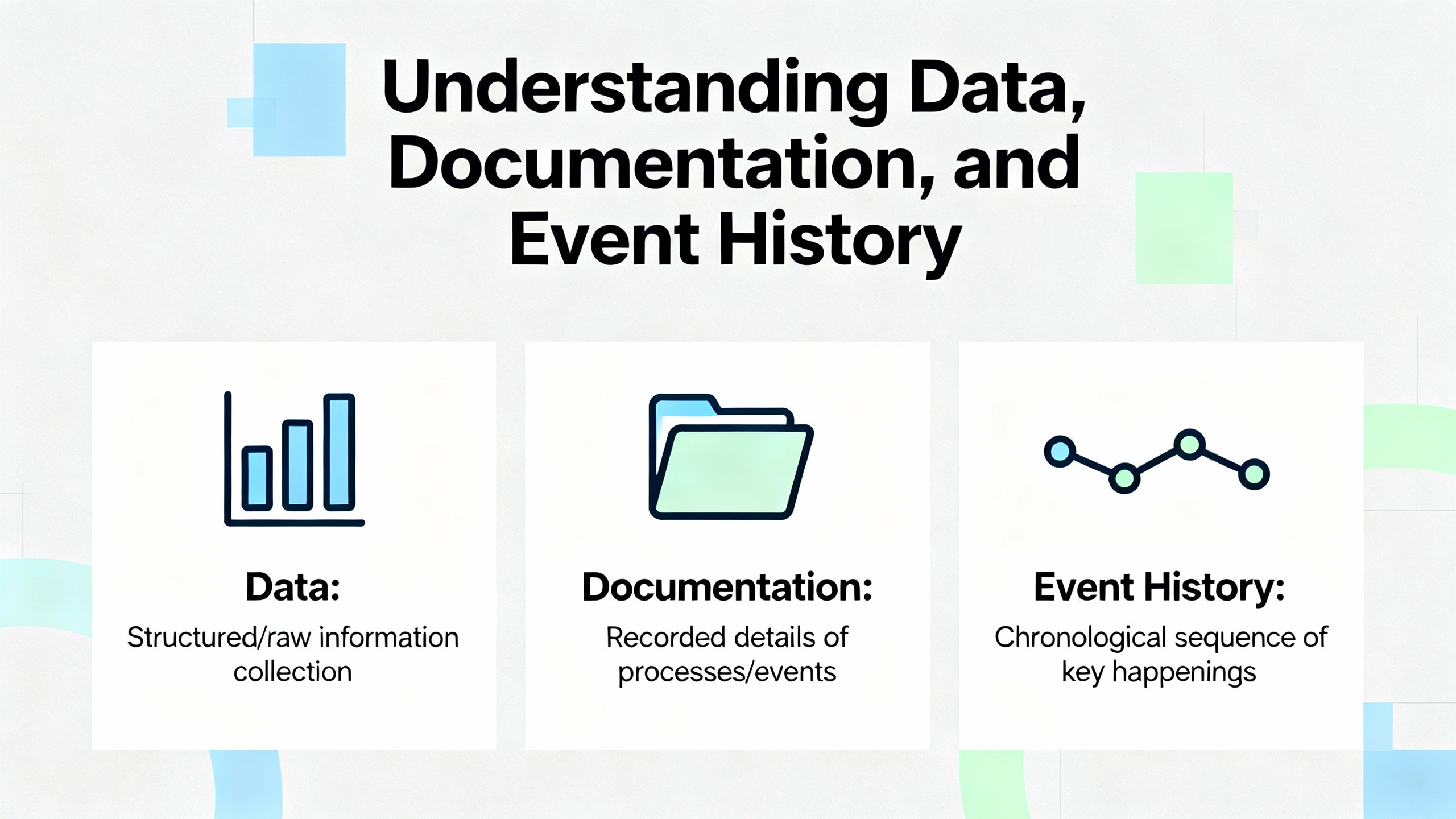
Treat logs as truth. ABB Drive Composer and keypad histories on modern ABB drives store events with dates and times that you can export and annotate. Delta Automation stresses using that timeline to see whether a fault always happens after an operator raises a setpoint, after a scheduler kicks off a cleaning sequence, or when the facility goes from light to heavy HVAC load mid‑afternoon. The same method identifies power quality roots—if all your faults cluster around Monday 7:30 AM, look at what else energizes at that time.
Document fixes and parameters with the same care. A one‑page cheat sheet taped inside the door, listing motor nameplate entries you actually used, accel/decel times that work, any DC injection braking settings, and the control inputs consumed by the PLC will make the next service call much faster. Back up parameters before a firmware update and again after you sign off on the tuning.
Taking Care Of The Environment The Drive Lives In
Preventive care is mostly about environment. Consulting‑Specifying Engineer and service firms uniformly recommend keeping the drive clean and dry, controlling cabinet temperature, and retightening connections on a schedule. Inverter Drive Systems describes maintenance visits that back up parameters, remove and clean fans and heat sinks, change filters as required, torque‑check mains and control terminals, and then power‑test and report. Adopt that mindset even if you do the work yourself. Log what you found and what you changed, and you will start to see the patterns that cause problems in your plant: seasonal heat, a particular bay that runs dusty, or a routine shutdown that always coincides with a rash of undervoltage trips afterward.
High‑Value Add‑Ons: Braking, Filtering, And Shielding
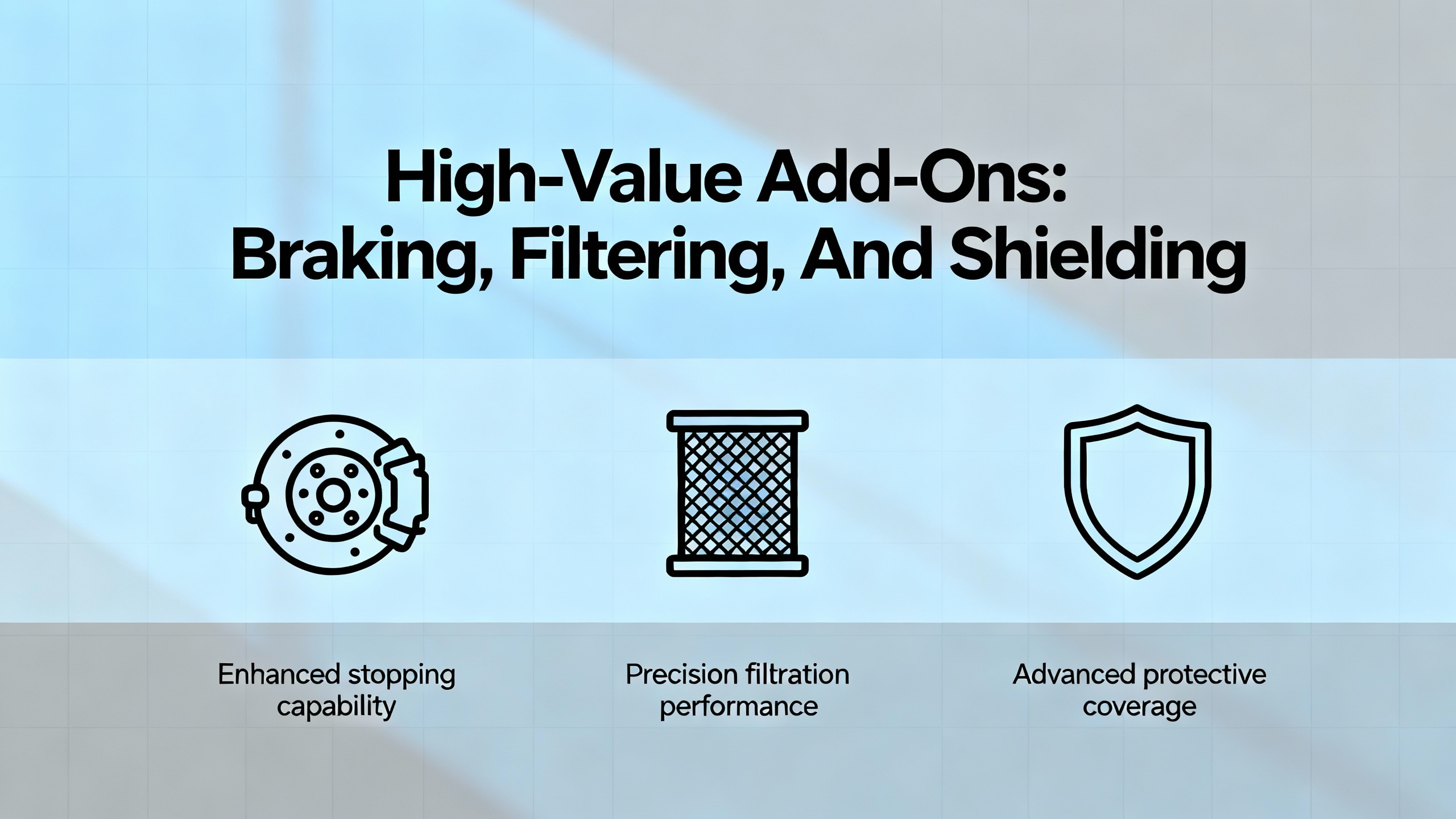
Braking resistors are not optional if you need rapid, controlled stops on high‑inertia machines. Without them, overvoltage trips during decel are not surprises, they are certainties. Line reactors or harmonic filters can materially improve drive life in harsh electrical environments and can help you align with common power quality targets. Shielded motor cables, properly grounded at the drive end, reduce radiated noise that can upset nearby instrumentation or controls. Emotron’s diagnostic guidance underscores how often environmental, wiring, and shielding factors sit behind intermittent trips that look like firmware gremlins.
Takeaway
The fastest path to a fix is a disciplined one. Read the code, check the power and bus, separate mechanical from electrical by testing uncoupled where possible, and validate parameters with an auto‑tune and a proper meter. Keep the cabinet clean and cool, keep connections tight, and back up parameters any time you touch the configuration. When the data and the symptoms don’t add up, use a scope to see what your meter cannot. And when repairs stop making sense, select an ABB replacement with the right braking, filtering, enclosure, and diagnostics so your next five years are easier than your last five months.
FAQ
How do I clear an ABB drive fault safely and know it won’t return? Clear the fault on the keypad or by cycling power only after you’ve corrected the cause indicated by the code. For overcurrent, lengthen the accel and check for mechanical binding. For overvoltage on decel, extend the decel or add a braking resistor. For earth fault, megger the motor and cable. Use the event history to verify the drive runs through the same operating point without a repeat trip before you hand the system back.
Can a bad motor damage a VFD? Yes. Shorted windings or severe insulation breakdown can overload and stress the inverter. Emotron’s troubleshooting guidance calls out overcurrent and phase‑loss conditions stemming from motor faults. Always test the motor and cable insulation when you see earth‑fault trips or unexplained current spikes, and don’t run the drive into a known bad motor “just to see.”
Do I need a true‑RMS meter for VFD work? If you want trustworthy measurements, yes. Fluke explains that averaging meters can be off by a large margin on distorted waveforms, which is exactly what a PWM output looks like. Use a VFD‑rated, true‑RMS instrument for output current and voltage measurements, and reserve a scope for noise and transient investigations.
Why does my drive trip only at certain speeds? That pattern often points to mechanical resonance rather than an electrical defect. The rotor, coupling, and driven machine have natural frequencies; operating at a certain speed can excite them. The Academia case history on vibration with variable‑speed operation highlights how torque ripple and resonance can combine. Identify the bad bands during commissioning, use filtering where appropriate, and avoid parking the process at resonant speeds.
What preventive maintenance actually moves the needle? Clean the cooling path, keep the enclosure cool, retighten mains and control connections on a schedule, and back up parameters. Consulting‑Specifying Engineer recommends weekly visual inspections. Inverter Drive Systems describes ABB‑aligned service intervals that include annual inspections and timed fan replacements in many environments, along with a post‑service power‑on check and a written report. Those basics reduce nuisance trips and extend life.
When is replacement or retrofit the better call? When the drive is unstable despite correct power, clean environment, and correct parameters, or when you need features like remote diagnostics and richer logs that the existing model doesn’t provide. Winn‑Marion Companies outlines how modern ABB drives often pay for themselves through improved efficiency and maintainability. If you plan a retrofit, choose the right enclosure, braking, line filtering, and communications up front so the new install is a reliability upgrade, not just a part swap.
Buying And Upgrade Notes From The Field
When you specify ABB replacements, match motor amps and overload class to the real duty, not the marketing brochure. Confirm the series supports your plant’s diagnostic tools and network protocols, and include the hardware you’ll need for real‑world decel and power quality. Shield motor cables and route control wiring away from high‑current conductors. If your application relies on event history, verify that the drive and software will let you export and timestamp what your maintenance team trusts.
Commissioning Habits That Pay Off
During commissioning, enter the motor nameplate data carefully and run the drive’s identification routine with the machine uncoupled if the control mode requires it. Test accel and decel ramps against the worst‑case load. Log your parameter set and tape a laminated copy inside the door. Use the keypad or Drive Composer to record a baseline of temperatures, bus voltage, and currents at a few key speeds, and keep that with the job folder. When something changes in six months, you’ll have a picture of “normal” to compare against—not a memory of normal.
By grounding your ABB VFD troubleshooting in honest measurements, clean power, and disciplined checks, you turn cryptic codes into simple fixes and keep your process running the way it should. The sources cited here—Delta Automation for fault code insight, Consulting‑Specifying Engineer for maintenance focus, Fluke for measurement accuracy, Emotron for structured troubleshooting, Inverter Drive Systems for ABB‑aligned maintenance cadence, and Winn‑Marion Companies for retrofit context—align closely with what works in the field. Combine them with your plant’s reality, and you’ll diagnose faster, repair smarter, and operate longer.

References
- https://www.academia.edu/86549405/Mechanical_Vibration_Problems_With_Variable_Frequency_Drives
- https://oasis.library.unlv.edu/cgi/viewcontent.cgi?article=2750&context=rtds
- https://admisiones.unicah.edu/Resources/MkcbtA/0OK002/variable_frequency-drives__for__dummies.pdf
- https://emainc.net/970-2/
- https://www.controlsdrivesautomation.com/ABB-preventive-maintenance-service
- https://www.inverterdrivesystems.com/how-do-i-service-my-variable-speed-drive
- https://new.abb.com/drives/energy-efficiency
- https://cmindustrysupply.com/blogs/abb-drive-repair-the-ultimate-guide
- https://www.csemag.com/10-essential-maintenance-and-troubleshooting-tips-for-vfds/
- https://www.precision-elec.com/abb-variable-frequency-drive-repair/?srsltid=AfmBOoqIZv8felpi9LvhnBZmYlW-FLYVmZZ-1yKvdx9AfQoYhSgUK6RG


 Videos
 News
News Applications






Leave Your Comment