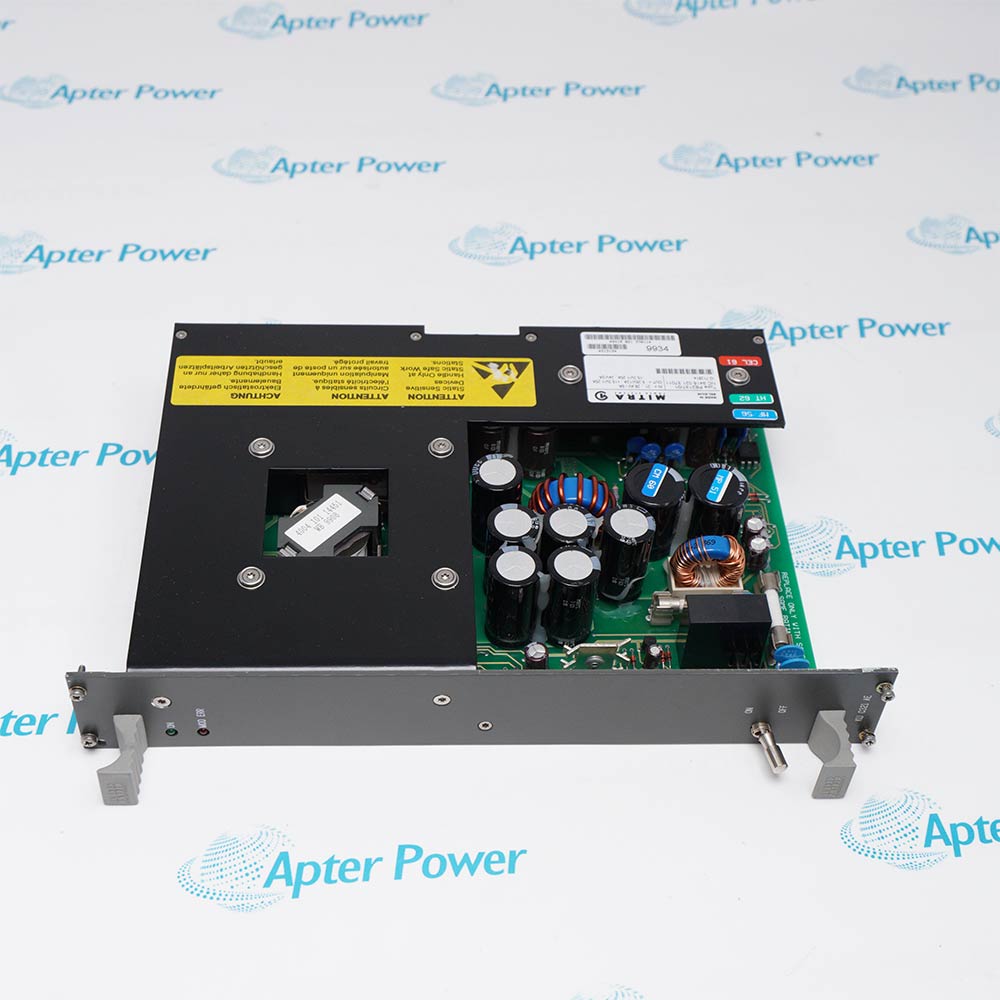
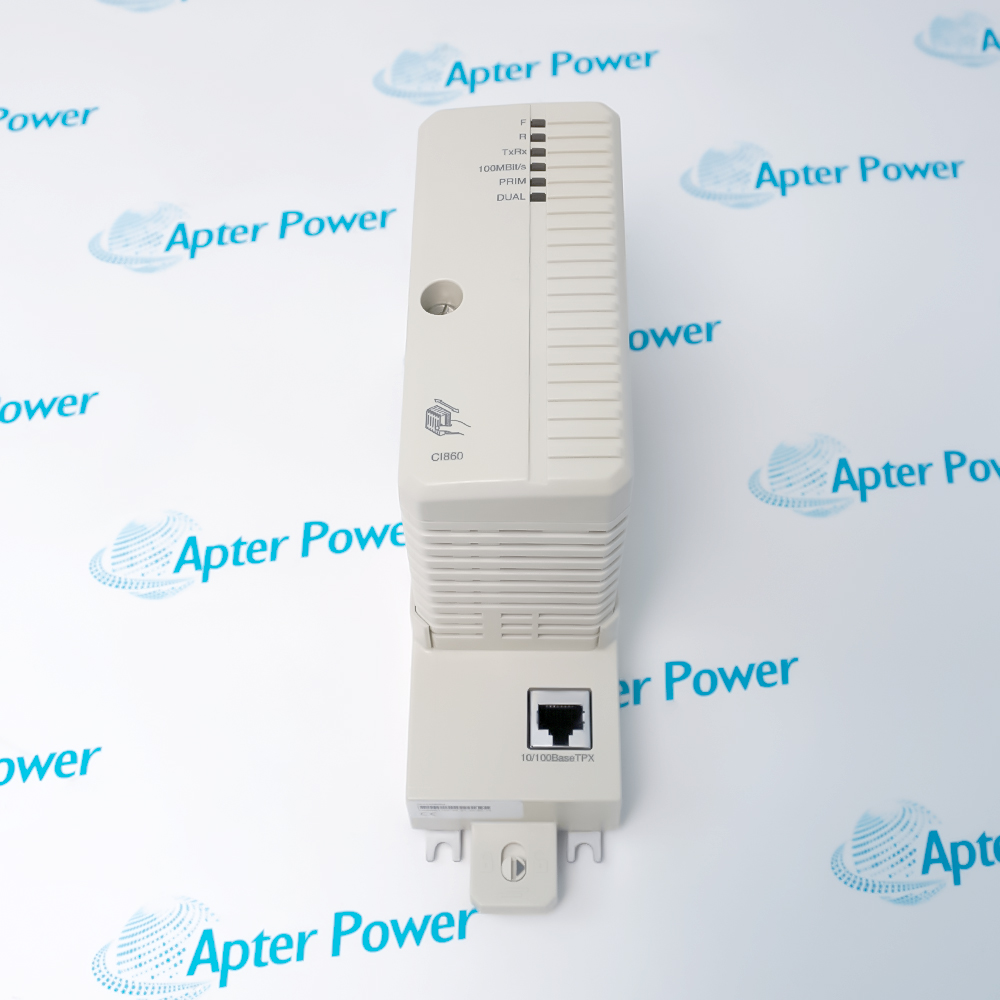
The ABB Ability Symphony Plus SPIET800 is an INFI-Net-to-Ethernet transfer module. It connects the INFI-NET control network to a host computer used for engineering, operator-interface or general application access.
- ABB Ability Symphony Plus SPIET800
- INFI-Net to Ethernet Transfer Module
- INFI-NET
- Ethernet
The module transports control-network data transactions between INFI-NET and host applications. It supports Symphony Plus Engineering, Symphony Plus Operations or 800xA for Symphony Plus Harmony, and Harmony OPC Server connections. It is a communications module, not a direct field-measurement module.
Important Notice: Keep the complete SPIET800 marking unchanged and verify the physical nameplate, revision, companion hardware, and current ABB/Elsag Bailey documentation before installation or replacement.
Apter Power SPIET800 Manuals and Guides
Important Notice: These are two separate Apter Power documents prepared from the official ABB/Elsag Bailey source named in each document. Confirm the physical nameplate, current manufacturer documentation, and applicable installation or system drawing before installation or replacement.
Control System Integration
Industrial control-network engineering access, operator visualization and OPC/general host integration in Symphony Plus Harmony systems.
Signal and Data Handling
INFI-NET and Ethernet communications data; field signal characteristics remain defined by the connected control and I/O modules.
Companion Hardware
INFI-NET network, Symphony Plus Engineering, Symphony Plus Operations, 800xA for Symphony Plus Harmony, Harmony OPC Server.
Commissioning and Verification
Use SPIET800 only after confirming its complete nameplate, revision, configuration, connections, and affected system functions.
Read and follow the official manufacturer source and applicable installation instructions before use. Verify the exact complete ordering code from the physical nameplate.
1
Verify the installed firmware revision and follow ABB cybersecurity recommendations before connecting or updating the module.
2
Back up the approved system configuration and schedule firmware work under site change-control procedures.
3
Do not infer field channel types or ratings from this communication module; verify the companion I/O documentation.
4
Observe the applicable wiring, grounding, approval, environmental, and enclosure requirements.
5
Record the complete model, revision, configuration, and commissioning results before returning the system to service.


 Videos
 News
News Applications