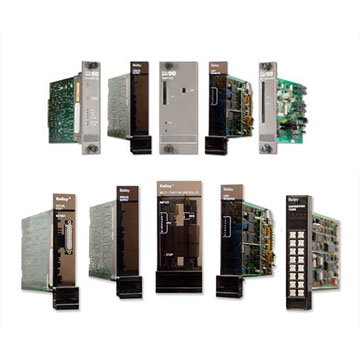
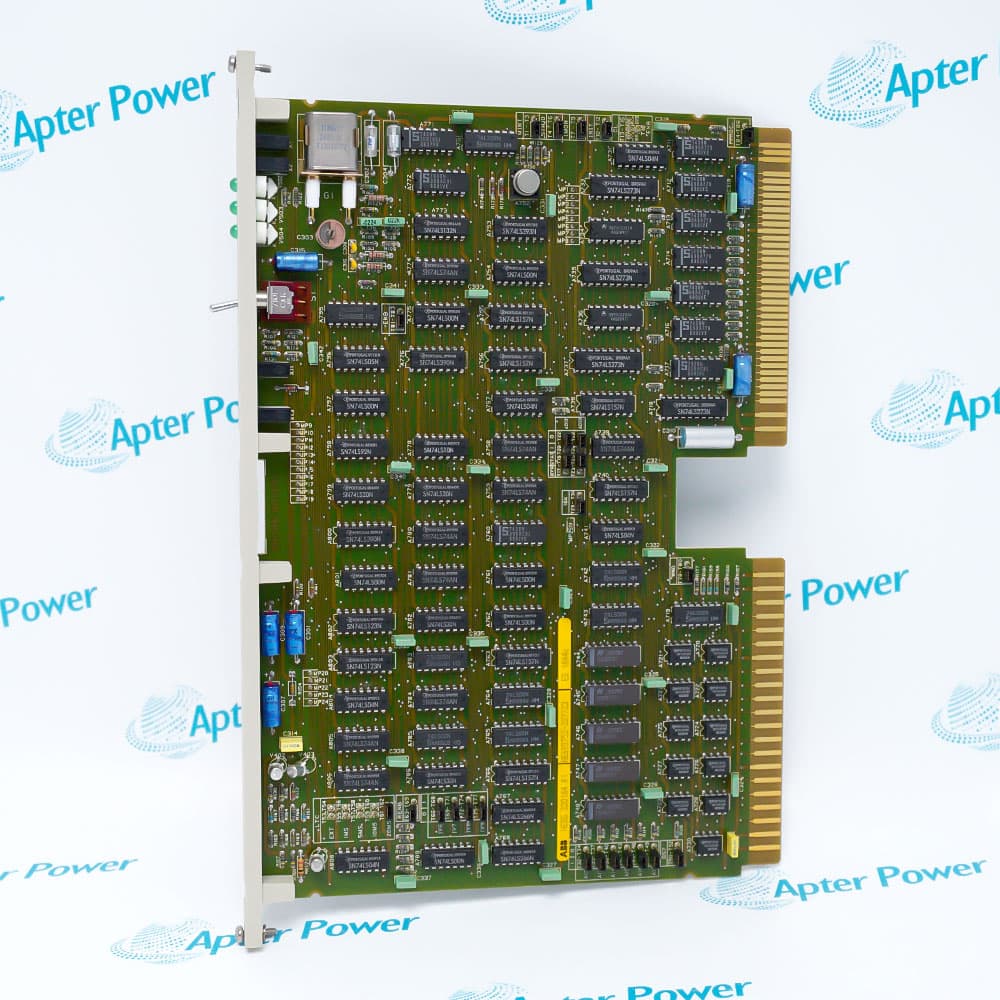
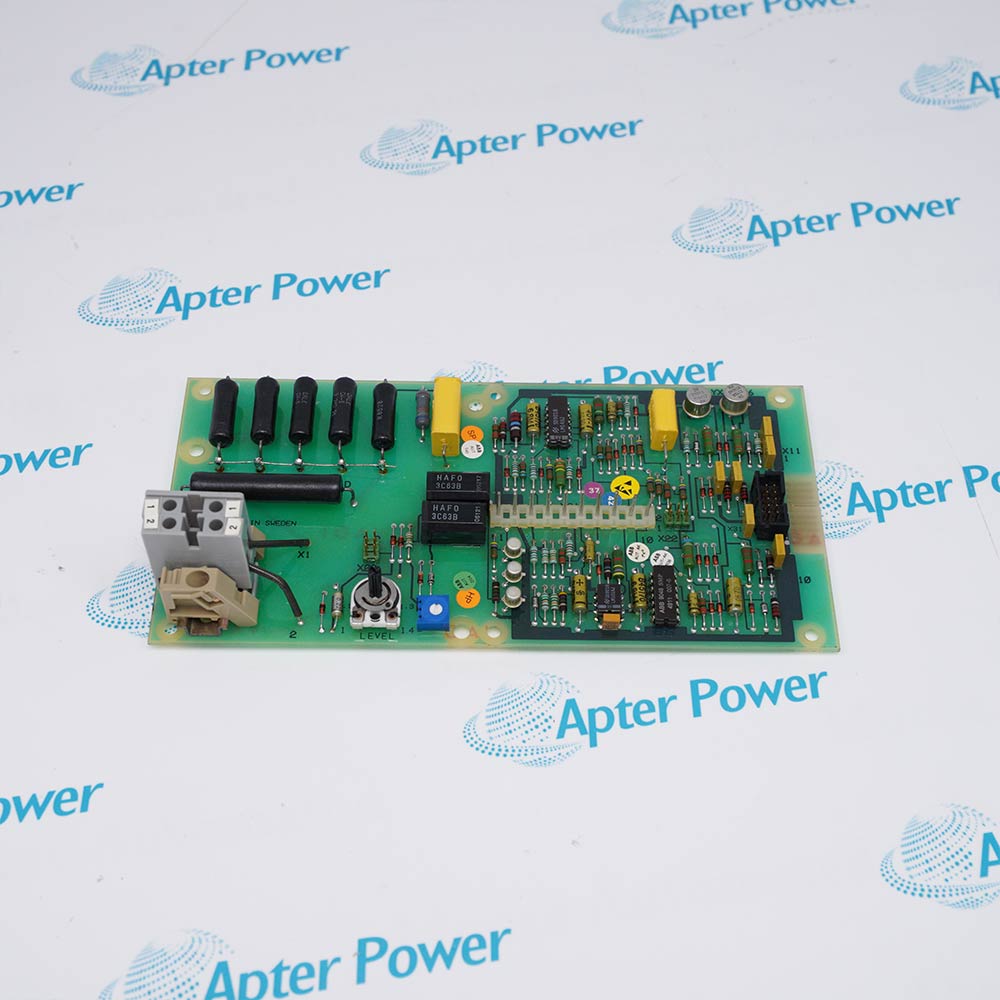
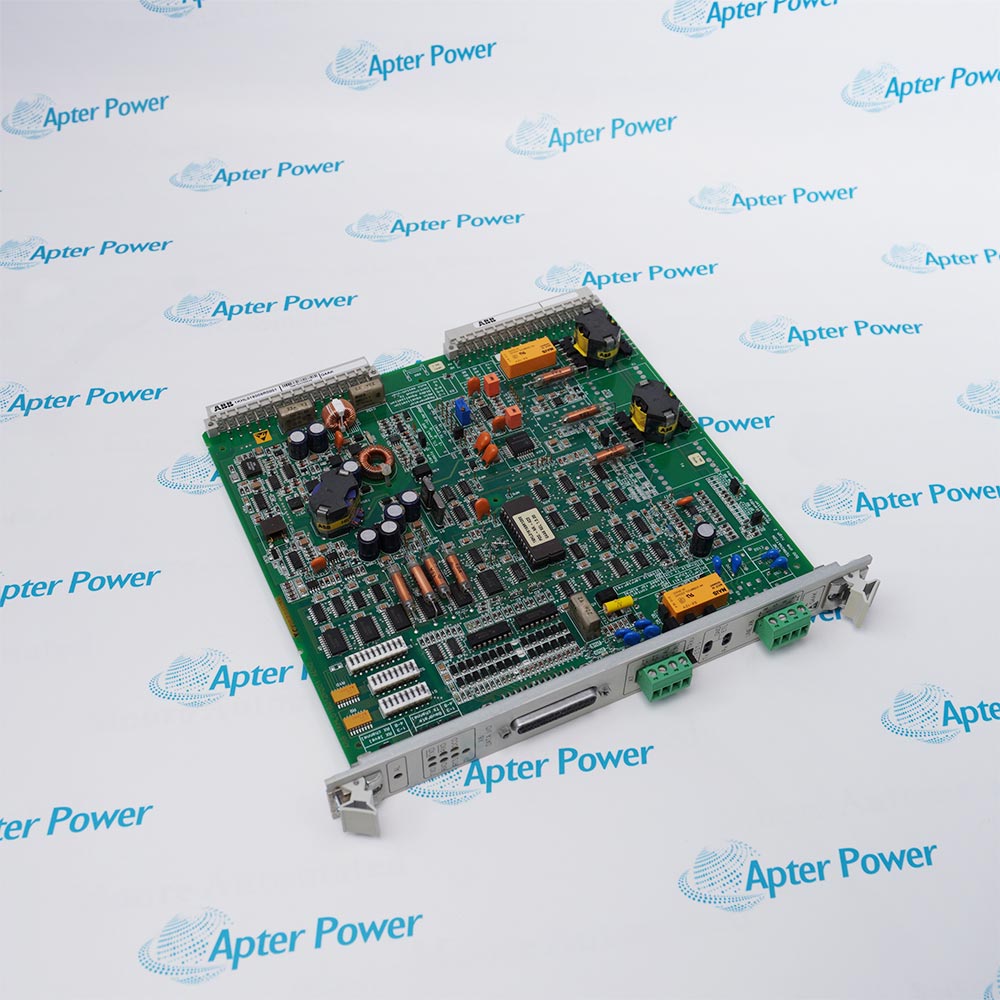
The Elsag Bailey IMCOM03 is identified in official INFI 90 documentation as a controller module in the COM/QRC controller and quick-response-controller family.
- IMCOM03
- Elsag Bailey / ABB Symphony Harmony
- COM/QRC
- Controller module / quick response controller module family
The module executes configured control functions and exchanges module data within the Process Control Unit architecture. It is a control-processing module rather than a direct field termination device; the connected I/O and termination assemblies determine the physical analog or discrete signals.
Important Notice: Keep the complete IMCOM03 marking unchanged and verify the physical nameplate, revision, companion hardware, and current ABB/Elsag Bailey documentation before installation or replacement.
Apter Power IMCOM03 Manuals and Guides
Important Notice: These are two separate Apter Power documents prepared from the official ABB/Elsag Bailey source named in each document. Confirm the physical nameplate, current manufacturer documentation, and applicable installation or system drawing before installation or replacement.
Control System Integration
Legacy INFI 90 process-control loops requiring controller or quick-response-controller processing.
Signal and Data Handling
Control and module-bus data; direct field signal types are not specified for IMCOM03 in the cited manufacturer material.
Companion Hardware
INFI 90 Process Control Unit, module bus, compatible I/O modules, termination assemblies and configuration/operator station.
Commissioning and Verification
Use IMCOM03 only after confirming its complete nameplate, revision, configuration, connections, and affected system functions.
Read and follow the official manufacturer source and applicable installation instructions before use. Verify the exact complete ordering code from the physical nameplate.
1
The cited documents do not publish a complete IMCOM03 electrical specification; do not infer ratings from related controller models.
2
Preserve the approved configuration and verify module revision and cabinet compatibility before replacement.
3
Test associated control loops and I/O communications under controlled commissioning conditions.
4
Observe the applicable wiring, grounding, approval, environmental, and enclosure requirements.
5
Record the complete model, revision, configuration, and commissioning results before returning the system to service.


 Videos
 News
News Applications