The New Reality Of Industrial Safety And Power Reliability
In high‑hazard industries, safety and power reliability have always been tightly coupled. A safety instrumented system that trips on demand but loses power at the wrong moment does not really protect anyone, and a highly available power system that feeds a compromised safety controller can quietly amplify risk instead of containing it.
Over the past century, industrial safety performance has improved dramatically. Schneider Electric cites historical accident rates of roughly 329 deaths per 100,000 workers, notably in mining, compared with about 3.7 per 100,000 today. That improvement is driven by regulations, engineered safeguards, and modern safety instrumented systems, yet the only acceptable long‑term target remains zero accidents.
Against this backdrop, Triconex safety systems have become a reference point for safety instrumented systems in refineries, petrochemicals, power generation, and other critical facilities. When you work through a Triconex safety system distributor, you are not simply buying a controller; you are selecting a stack of certified SIL components, lifecycle services, and cybersecurity practices that will either strengthen or weaken your plant’s last line of defense.
As a power system specialist, I view the Triconex discussion through two lenses at the same time. The first is functional safety: can the system reduce risk to an acceptable level when a hazardous event threatens people, equipment, or the environment. The second is power and availability: can the safety system stay energized, deterministic, and trustworthy, even while the rest of the plant rides through faults, UPS transfers, and network disturbances. Certified SIL components and the right distributor partnership sit at the intersection of those two lenses.
What A Triconex Safety Instrumented System Actually Does
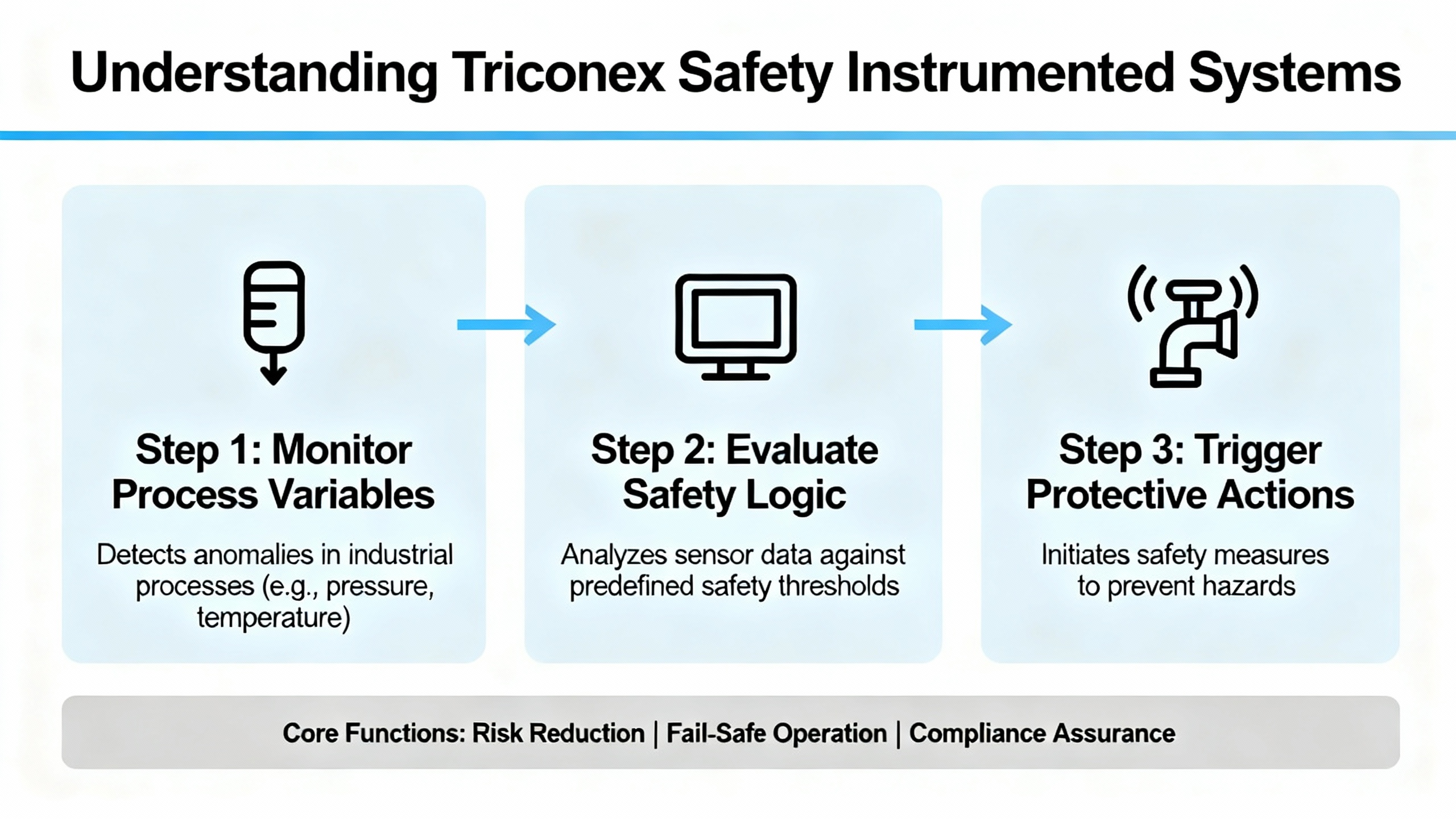
A safety instrumented system, or SIS, is not there to run the process. According to Schneider Electric, a SIS is an independent, last line of defense that detects out‑of‑control conditions and automatically brings the process to a safe state. That distinction matters in plants where power systems, drives, and UPS‑backed controls are increasingly interconnected through digital networks.
At the core of any SIS is at least one safety loop known as a safety instrumented function, or SIF. Each SIF has three building blocks. Sensors detect hazardous conditions such as high pressure, high temperature, or gas release. Logic solvers, often implemented using safety PLCs, decide whether the conditions have crossed a threshold that demands action. Final elements, such as actuated valves, contactors, or breakers, physically move the process into a safe state by shutting off fuel, venting pressure, or isolating energized equipment.
In real plants, these safety loops protect emergency shutdown systems, fire and gas detection, burner management, turbomachinery control and protection, and high‑integrity pressure protection. EcoStruxure Triconex Safety and Critical Control systems, built on triple modular redundancy, are used in exactly these duties and have accumulated more than one billion safe operating hours without a known dangerous failure on demand. That operating history is one reason so many operators are hesitant to touch legacy Triconex installations: they appear almost too reliable to justify modernization.
Understanding SIL And Why Certified Components Matter
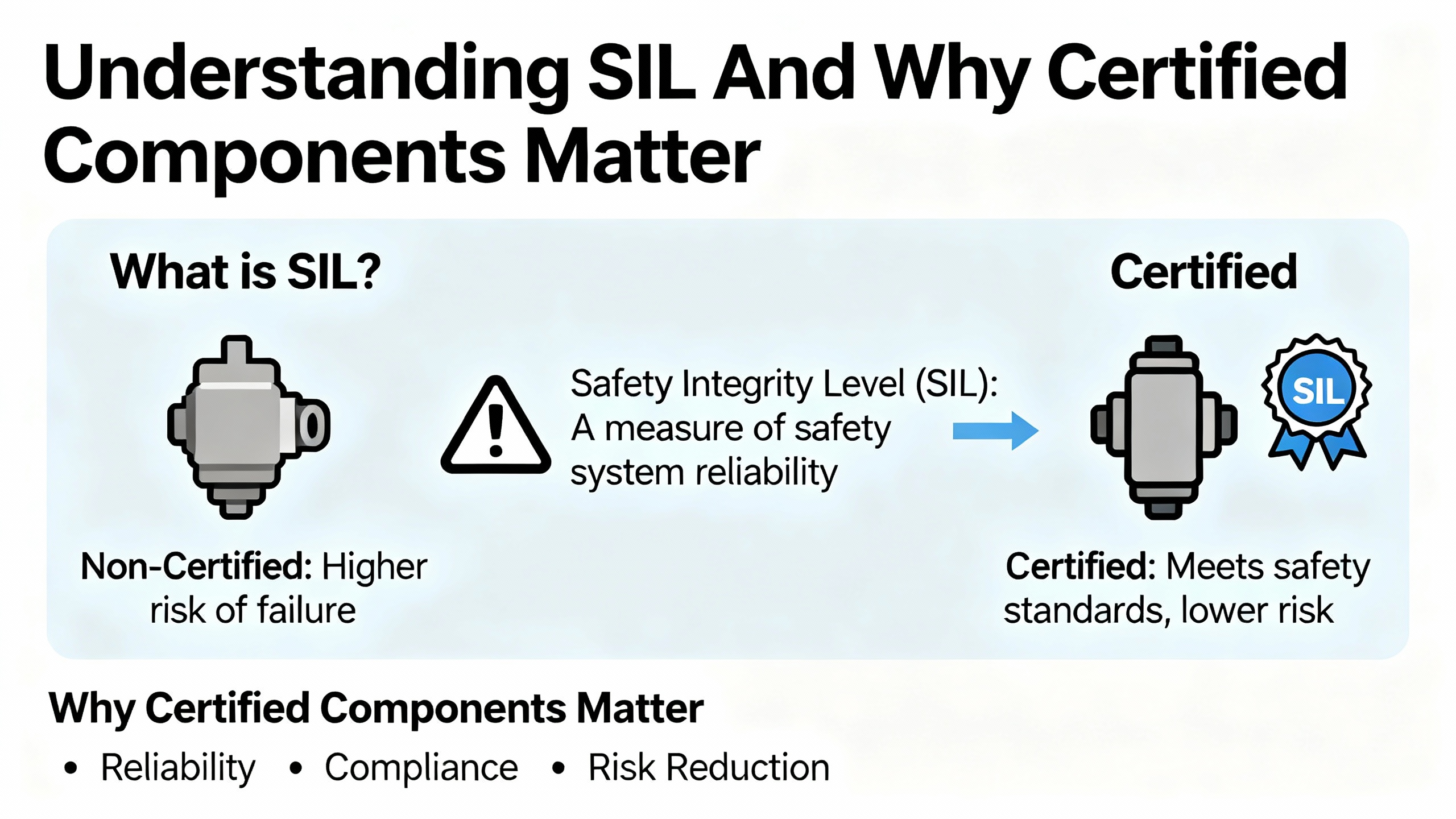
Safety Integrity Level, or SIL, is the quantitative language that connects risk assessment and technical design. Under IEC 61508, SIL levels from SIL 1 to SIL 4 define tolerable failure rates and the required probability of failure on demand for a given safety function. SIL 1 provides the least risk reduction, and SIL 4 provides the highest, usually reserved for extremely hazardous applications.
EcoStruxure Triconex safety PLCs and the unified Tricon CX platform are TÜV‑certified to SIL 3. That single certification allows you to implement SIL 1, SIL 2, and SIL 3 functions with the same family of components, as long as your overall design, proof testing, and lifecycle management follow the standard. The certification is not a marketing label; it is the outcome of rigorous third‑party testing and ongoing assessment of hardware, software, diagnostics, and failure behavior.
When you purchase through a Triconex distributor, you are effectively sourcing a set of SIL‑capable building blocks: safety controllers, I/O modules, communications modules, and engineering tools. Their certification does not automatically make your plant SIL 3, but it means the components can support that performance if you engineer and maintain them correctly. In practice, that means the distributor must be able to support you in applying IEC 61508 and IEC 61511 requirements from concept through decommissioning, not just ship boxes.
Safety PLC Versus Standard PLC
One of the most common misunderstandings I see in power and process projects is the assumption that any PLC can be configured to “act like” a safety system. Schneider Electric’s functional safety guidance is explicit that this is not true.
A standard PLC is designed to automate processes. It may reveal a problem only when a hazardous condition demands action, and it is not inherently safety‑rated. Its internal diagnostics and failure modes are not engineered or proven to meet a defined probability of failure on demand.
A safety PLC, by contrast, is designed from the ground up for safety duties. It is normally energized and fails to a safe state. It uses internal diagnostics, automatic testing, and voting of independent signals, and it implements redundancy specifically to achieve high availability when demanded.
The difference is easier to see in a simple comparison.
| Aspect | Standard PLC | Safety PLC (e.g., EcoStruxure Triconex) |
| Design intent | Process automation | Functional safety and risk reduction |
| Safety rating | Not inherently safety‑rated | TÜV‑certified for use up to SIL 3 under IEC 61508 |
| Failure behavior | Not guaranteed to fail safe | Normally energized, designed to fail to a safe state |
| Diagnostics and testing | Basic, focused on availability | Extensive diagnostics, automatic testing, and defined failure modes |
| Redundancy and voting | Optional, for uptime | Integrated triple modular redundancy with voting of independent paths |
Triconex safety systems extend this safety PLC philosophy with a triple modular redundant architecture across the main processors, I/O modules, and communications. Three parallel channels compute the same logic, and a voter determines the output. If one channel fails or disagrees, the system can continue safely on the remaining healthy channels. That is a powerful attribute when you rely on these systems to protect gas‑insulated switchgear, turbine‑driven generators, or UPS‑supported critical loads where nuisance trips have real cost but failure to trip is unacceptable.
Why The Distributor Relationship Is As Important As The Hardware
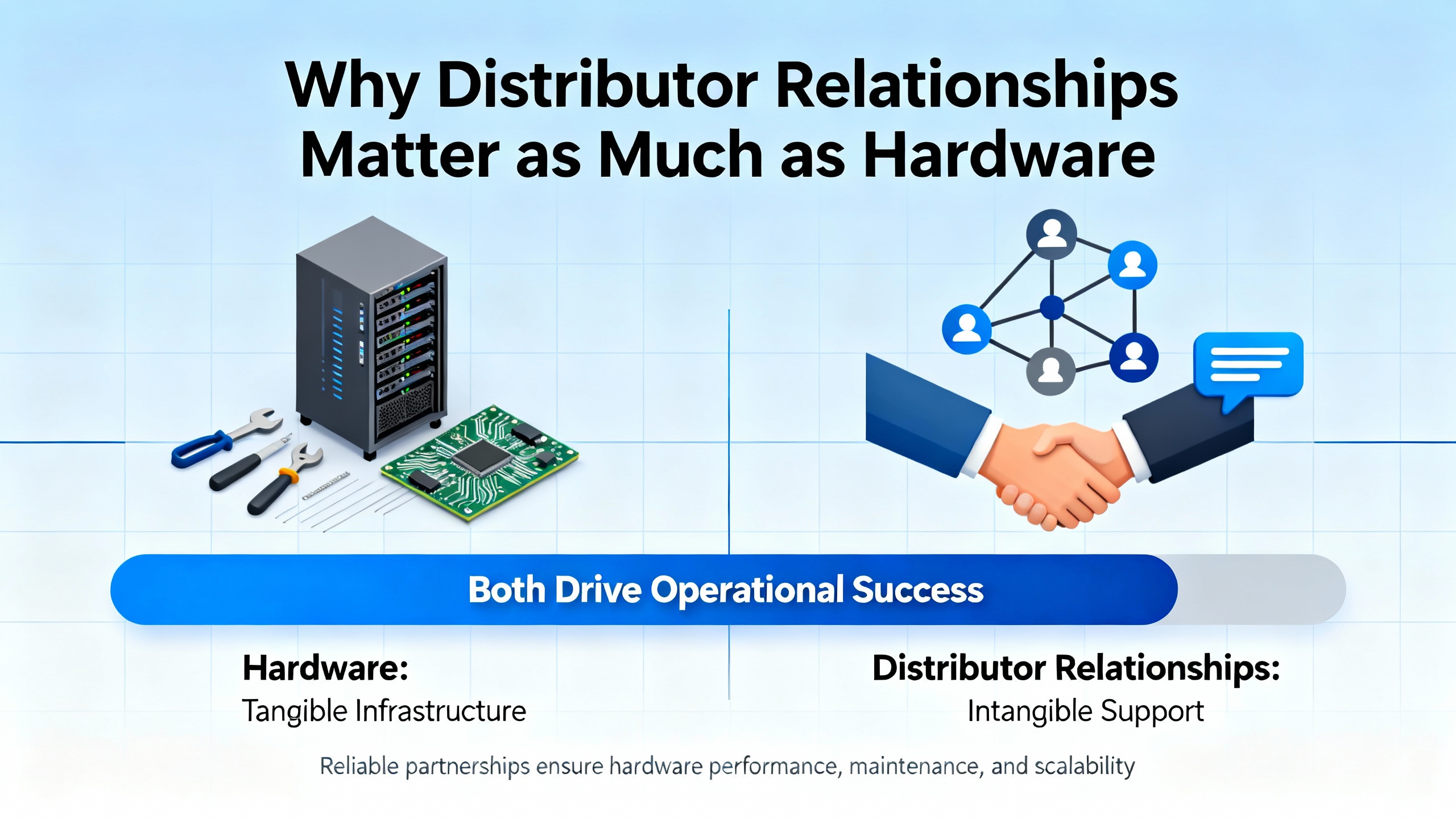
Certified SIL components are only as effective as the engineering and lifecycle practices around them. Schneider Electric emphasizes that all EcoStruxure Triconex SIS solutions are designed and managed according to IEC 61508 across the entire lifecycle, from concept through operation and decommissioning. In practice, much of that lifecycle is executed through integrators and distributors.
A capable Triconex safety system distributor should be able to do more than provide quotations. They should understand how safety instrumented functions are derived from hazard studies and layers of protection analysis. The Layers of Protection model frequently used in process safety illustrates that the SIS is only one of several independent barriers, alongside basic process control, alarms and operator intervention, mechanical relief devices, containment, and emergency response. The distributor’s role is to ensure that the SIS layer they help you implement is engineered at the right SIL, with the right diagnostics, proof‑test intervals, and bypass controls, so it genuinely complements these other barriers.
Schneider Electric’s own SIS modernization guidance highlights how organizational dynamics can undermine that goal. Many SIS platforms installed in the late 1980s and early 1990s, including early generations of Triconex, still operate reliably today. That reliability makes it harder to justify upgrades and often leads to complacency, especially when corporate engineering teams are stretched thin across multiple legacy systems. Project proposals that position modernization as simple “replacement in kind” rarely get approved because they appear to deliver no incremental value.
A strong distributor helps you break that stalemate by framing SIS upgrades around business and safety outcomes. Instead of proposing a one‑for‑one swap, they can help perform a front‑end loading study to clarify scope, cost, schedule, and risk; align stakeholders in operations, maintenance, safety, and corporate leadership; and position modernization as an enabler of digital transformation, improved uptime, and lower total cost of ownership. For Triconex, that often means moving toward platforms like EcoStruxure Tricon CX, which Schneider Electric presents as a future‑ready SIS that unifies safety and critical control, scales up to roughly 750,000 I/O points, mixes copper and fiber networks for flexibility, and supports online firmware upgrades to minimize downtime.
From a power perspective, these modernization projects are the ideal moment to tidy up UPS architectures, segregate safety power from non‑essential loads, and verify that inverter transfers and generator start sequences do not inadvertently compromise SIS availability.
Cybersecurity Shocks: TRITON, TriStation, And The Trust Question
For years, SIS platforms enjoyed a special level of trust. They were often isolated, rarely changed, and assumed to be too obscure to attract attackers. The TRITON malware family, also called HatMan or TRISIS, destroyed that assumption.
In 2017, investigators uncovered TRITON at a petrochemical facility in the Middle East. According to CISA and independent researchers such as FireEye and Nozomi Networks, this was the first publicly known malware designed specifically to target safety instrumented systems, in this case Schneider Electric Triconex controllers. The attackers followed a multi‑stage industrial control system kill chain, starting with a foothold in the corporate IT network, moving laterally into the operational technology network, compromising a Windows‑based SIS engineering workstation, and then using Schneider’s proprietary TriStation protocol to communicate with the controllers.
Rather than exploiting only simple software bugs, the TRITON operators abused legitimate engineering functions. Research from Google Cloud’s threat intelligence team shows how extensive the TriStation command set is, covering downloads, configuration changes, program control, diagnostics, event logs, and time synchronization. TRITON implemented its own TriStation stack, giving the attackers the ability to read and write SIS memory, deploy malicious logic, and attempt to maintain covert persistence while making their activities resemble normal engineering work.
The specific incident was discovered when a flaw in the attackers’ manipulation caused the Triconex controllers to enter a fail‑safe mode and shut down the process. That shutdown, while disruptive, likely prevented a more dangerous outcome. Analysts from BlackHat, CISA, CyberArk, and Nozomi Networks have converged on a view that TRITON required detailed knowledge of Triconex hardware and firmware, deep reverse‑engineering of TriStation, and substantial testing to avoid triggering safety trips during development. They assess with moderate to high confidence that a nation‑state actor was responsible, and that the ultimate intent extended beyond nuisance shutdowns toward the capability to cause physical damage or casualties.
For asset owners, TRITON changed the risk profile of SIS from “highly trusted backstop” to “high‑value cyber target.” It also forced a hard question: what does certification and proven operating history mean in a world where an attacker can program your safety controller as if they were your own engineer.

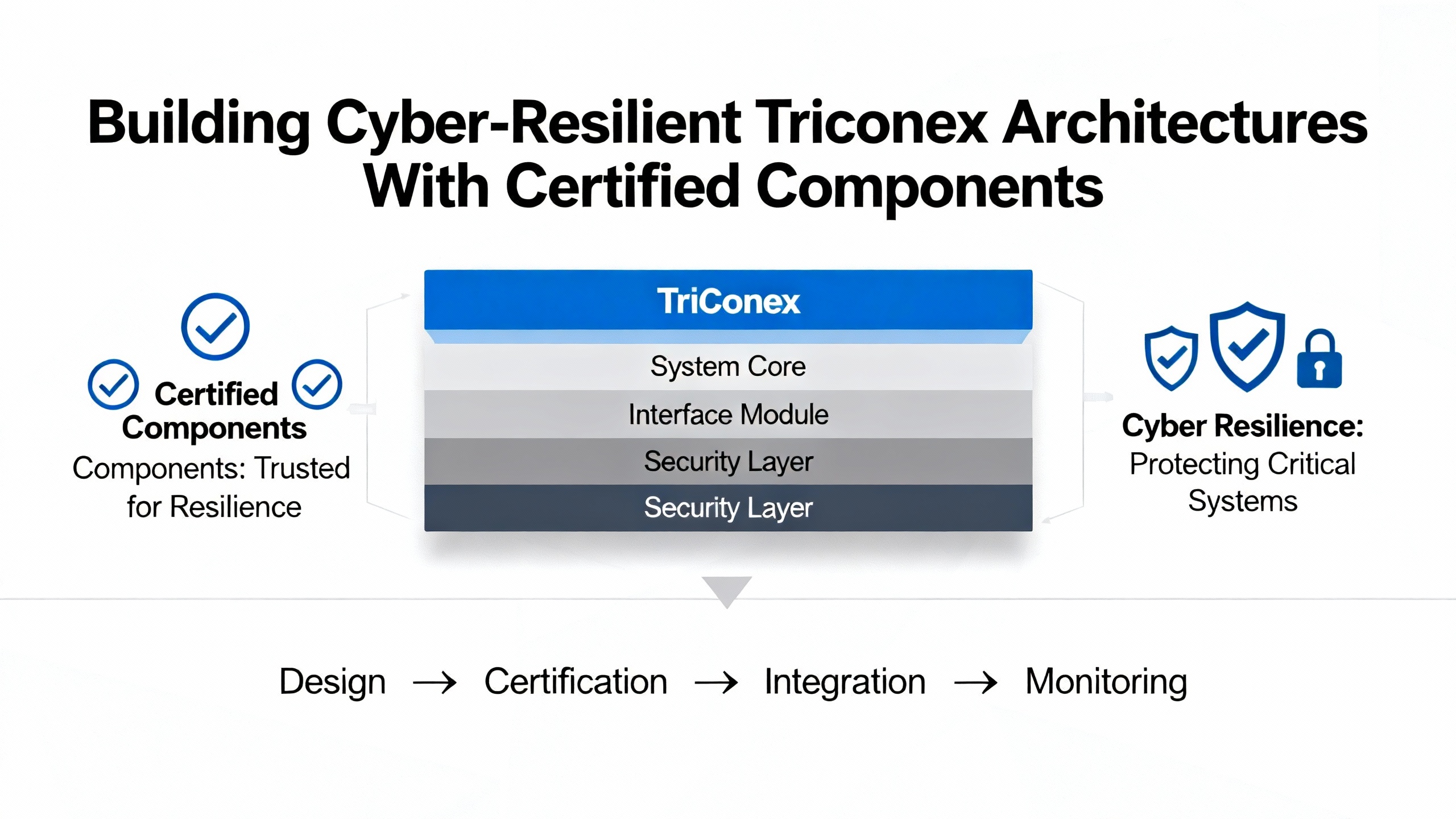
Building Cyber‑Resilient Triconex Architectures With Certified Components
Schneider Electric explicitly recognizes that cybersecurity is now inseparable from functional safety. Their guidance for EcoStruxure Triconex emphasizes end‑to‑end cybersecurity aligned with ISA/IEC 62443 and IEC 61508, and they have published a practical guide focused on maximizing the cyber resilience of Triconex safety systems. Industry‑wide, the consensus recommendations from CISA, Nozomi Networks, and others fall into a few consistent themes that are highly relevant when you work with a Triconex distributor.
The first theme is strict network and functional isolation. Safety instrumented systems should be segregated from basic process control systems and from corporate IT networks using well‑defined zones and conduits. Remote access should be minimized or eliminated, and where monitoring data must leave the SIS zone, technologies such as unidirectional gateways should be considered. Dual‑homed engineering workstations that bridge safety and non‑safety networks are a recurring weakness exposed in the TRITON case.
The second theme is hardening engineering workstations and TriStation access. Both CISA and CyberArk stress the importance of restricting and logging remote access, enforcing least privilege on engineering accounts, and using application whitelisting on SIS workstations. Change management should ensure that any SIS programming session, especially those involving TriStation operations like downloads, configuration changes, or time adjustments, is traceable to an authorized engineer, reviewed, and documented. Offline, verified backups of Triconex logic and configurations should exist so you can compare live controller states against trusted references.
The third theme is continuous monitoring and anomaly detection. The detailed TriStation command map published by Google Cloud illustrates how specific command families, such as full or incremental downloads, retentive value changes, or calendar adjustments, can be monitored as high‑risk activities. CISA and Nozomi Networks recommend baselining normal TriStation and SIS‑related network traffic, capturing logs of program downloads and uploads, and using anomaly detection tools to flag unusual controller states or communication patterns that might indicate TRITON‑like activity.
A capable Triconex distributor can help turn those high‑level recommendations into concrete solutions. That may include selecting certified communications modules that support segregated networks, helping design firewall rules and demilitarized zones around SIS networks, and integrating SIS event logs with plant‑wide security monitoring. For plants where UPS‑backed networks span both safety and control domains, the distributor can help identify where additional segmentation or optical isolation is needed so that a cyber compromise on one side cannot automatically pivot into the SIS.
Modernizing Legacy Triconex SIS Without Losing Availability
Many operators still run Triconex systems installed three or four decades ago. Schneider Electric’s modernization guidance acknowledges that these platforms often operate safely and reliably, which paradoxically makes it harder to argue for replacement. Typical objections include statements that everything is working, that there have been no SIS‑caused outages, or that in‑house expertise has retired and documentation is thin.
The modernization framework Schneider Electric outlines is risk‑based and business‑focused rather than technology‑driven. It starts with determining how to fund the effort, often via a front‑end loading study rather than an immediate full‑project budget request. It continues by involving stakeholders early, from operations and maintenance to safety and corporate leadership, to understand their needs and address objections. It then assesses factors such as system reliability, spare parts availability, physical access constraints, production schedules, standards compliance, cybersecurity posture, and support costs. Imbalances in those factors are signals that it may be time to upgrade.
Crucially, the justification for modernization is strongest when it moves beyond avoiding negative outcomes. Schneider Electric explicitly advises that upgrade proposals framed purely as preventing failures or environmental incidents are often rejected. Instead, modernization should be positioned as enabling reduced support costs, improved operating margins, and increased revenue through better performance, data, and integration with digital initiatives.
EcoStruxure Tricon CX, for example, is presented as a future‑ready SIS platform with flexible and scalable architecture, the ability to unify safety and critical control, support for mixed copper and fiber media, and modular digital lifecycle tools that support design, testing, operation, and maintenance. Those capabilities align well with Industry 4.0 and the digital‑native workforce, offering more intuitive interfaces, automated processes, and better data for predictive maintenance and performance optimization.
From a power systems perspective, modernization is also the correct moment to rationalize how safety controllers and remote I/O are fed from UPS systems and inverters. Modern Triconex installations can scale to very large I/O counts and geographically dispersed nodes. Aligning that architecture with resilient, selectively coordinated power distribution and energy‑storage strategies ensures that an upstream disturbance does not defeat the very safety functions you are upgrading.

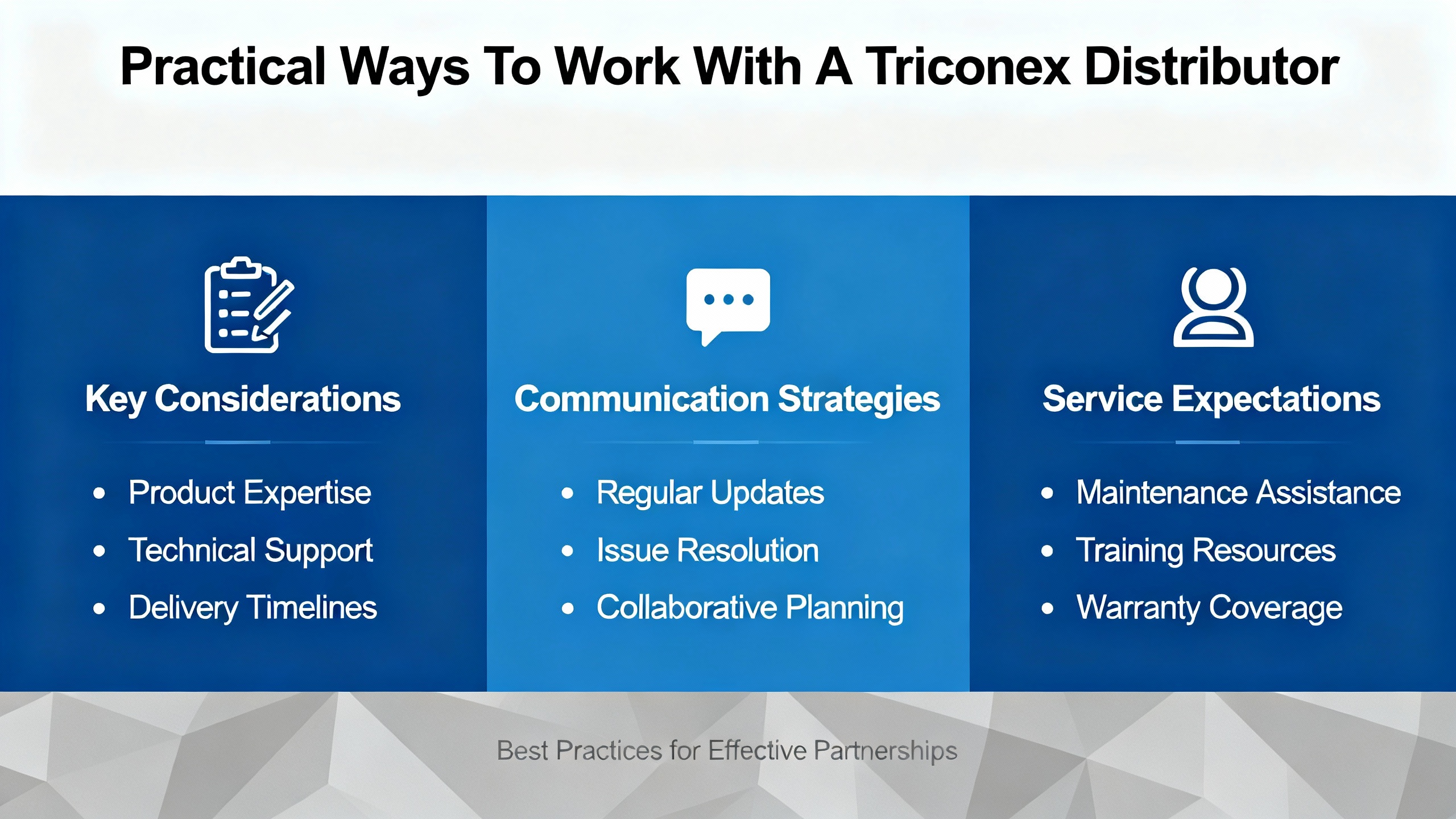
Practical Ways To Work With A Triconex Distributor
Translating all of this into project decisions can feel daunting, especially if you are responsible for both power reliability and safety performance. In practice, a few disciplined habits make a disproportionate difference when working with a Triconex safety system distributor.
One habit is to start with the safety lifecycle, not the catalog. Ask the distributor to walk through how their Triconex offering supports hazard analysis, SIF design, SIL verification, factory acceptance testing, proof testing, and decommissioning. Look for evidence that they understand IEC 61508 and IEC 61511 requirements and can support documentation and testing rather than merely selling hardware.
Another habit is to keep cybersecurity and power reliability on equal footing with functional safety. When you specify certified SIL components, include cybersecurity requirements aligned with ISA/IEC 62443 and resilience requirements for UPS‑backed power supplies, redundant feeds, and grounding. Make sure the distributor can explain how EcoStruxure Triconex cybersecurity guidance and Schneider Electric’s cyber‑resilience recommendations are implemented in engineering workstations, TriStation configurations, and network topologies.
A third habit is to demand clarity on diagnostics and data. Modern SIS platforms, including Triconex, generate rich event logs, sequence of events data, and diagnostics about modules, chassis, and scan times. Work with the distributor to integrate this information with your existing asset management, condition monitoring, and security analytics tools. That integration enables data‑centric strategies where AI and machine learning, as Schneider Electric suggests, can drive predictive maintenance and proactive safety interventions rather than waiting for failures.
Education is the final habit that ties the others together. Training courses focused on Triconex safety and critical control systems, such as those centered on TriStation 1131 programming and IEC 61131‑3 languages, help engineers move beyond basic configuration toward robust, modular, and testable safety logic. Courses that emphasize alarm and event management, communications integration, and structured testing and validation are particularly valuable in plants where the same engineering teams are responsible for both safety and power controls.
Short FAQ: Key Points On Triconex And Certified SIL Components
Why is SIL 3 certification significant for Triconex systems?
TÜV‑certified SIL 3 capability under IEC 61508 means Triconex components can be used to implement safety functions requiring high risk reduction, as well as SIL 1 and SIL 2 functions. The certification reflects defined, tested failure modes, diagnostics, and lifecycle controls. It does not guarantee your application is SIL 3 by default, but it provides a qualified foundation if you design and maintain the system according to the standards.
If my legacy Triconex SIS is operating reliably, why should I consider modernization?
Schneider Electric points out that long‑serving SIS platforms often remain reliable, which can breed complacency. Modernization becomes important when spare parts, expertise, or documentation are scarce, when cyber threats like TRITON change your risk assumptions, or when integration with newer digital systems and power architectures is required. Framing modernization as a way to improve safety, uptime, and business performance, rather than just replacing old equipment, is usually more compelling.
How does cybersecurity affect the choice of a Triconex distributor?
TRITON demonstrated that SIS controllers are attractive targets, not off‑limits. A distributor that understands CISA’s and industry recommendations for network segmentation, engineering‑station hardening, TriStation monitoring, and disciplined change management is essential. Cyber‑resilient design, including how SIS networks and UPS‑backed power systems are segmented and monitored, should be part of any serious Triconex proposal, not an afterthought.
In critical facilities, power quality and safety performance live or die together. When you select a Triconex safety system distributor focused on certified SIL components, lifecycle rigor, and cybersecurity, you put your plant on a more reliable footing, both electrically and operationally, for the next generation of digital‑native operators.
References
- https://www.nrc.gov/docs/ML0134/ML013470433.pdf
- https://www.cisa.gov/sites/default/files/documents/MAR-17-352-01%20HatMan%E2%80%94Safety%20System%20Targeted%20Malware_S508C.pdf
- https://iceweb.eit.edu.au/BurnerManagement/SafetyConsiderationsGuide.pdf
- https://www.linkedin.com/posts/ozizi-elijah-opisa_about-two-weeks-ago-i-created-a-video-on-activity-7257360604640755714-RjDO
- https://www.nozominetworks.com/blog/new-triton-ics-malware-is-bold-and-important
- https://i.blackhat.com/us-18/Wed-August-8/us-18-Carcano-TRITON-How-It-Disrupted-Safety-Systems-And-Changed-The-Threat-Landscape-Of-Industrial-Control-Systems-Forever-wp.pdf
- http://titaniumaics.blogspot.com/2018/01/cibersecurity-for-triconex-systems-what.html
- https://trainhub.hpilgroup.com.ng/train-hub-courses/triconex-safety-and-critical-controls-system-schneider-3rd-21st-february-2025/
- https://www.cyberark.com/resources/threat-research-blog/anatomy-of-the-triton-malware-attack
- https://www.scribd.com/document/432386716/Safety-Considerations-Guide-for-Tricon-Systems


 Videos
 News
News Applications





Leave Your Comment